
What’s The Ideal Dachshund Weight? A Weight Chart Guide


If you’re a proud dachshund parent, you’ve probably wondered, How much should my dachshund weigh? It’s an important question because dachshunds, with their long bodies and short legs, are prone to weight-related health issues. Keeping your dachshund at the ideal weight is crucial for their spine, joints, and overall well-being. This guide walks you through dachshund weight at every life stage, helping you understand what’s healthy for your pup—whether they’re a playful puppy or a sweet senior.

Why Is Dachshund Weight So Important?
Dachshunds are adorable, but their unique shape makes them more vulnerable to weight issues compared to other dog breeds. Carrying too much weight can lead to problems like:
- Intervertebral Disc Disease (IVDD): Extra weight puts pressure on their long backs, increasing the risk of slipped discs and spinal injuries.
- Joint Problems: Their short legs can’t handle excess weight well, leading to arthritis and mobility issues. Just imagine your Doxie walking with a large stomach that is almost touching the ground. Extra pounds can cause severe damage to your dog’s legs, joints and affect the loss of cartilage.
- Heart and Respiratory Problems: Obesity increases the risk of heart disease and breathing difficulties. Due to this, it’s extremely important to pay attention to keeping the dachshund weight within optimal ranges.
- Diabetes: Obese Dachshunds can also suffer from diabetes. Just like in humans, this health issue can lead to problems with vision, liver, and kidneys.
Keeping your dachshund’s weight within the ideal range reduces these risks and helps them live a longer, healthier life.

Dachshund Weight Chart by Life Stage
1. Puppy Dachshund Weight (0–12 Months)
Your dachshund’s first year is all about growth and development. Puppy dachshund weight varies depending on their size category—standard, miniature, or rabbit dachshund. Not all Dachshunds grow the same. Smaller types of Wiener dogs should gain less weight and they’ll also be shorter from standard ones.
Puppy Dachshund Weight Guidelines by Age:
Here are the Mini Dachshund Weight Chart, Rabbit Dachshund Weight Chart, and Standard Dachshund Weight Chart, showing their average weight from puppyhood to adulthood. These charts will help track your dachshund’s progress and identify what’s healthy at each life stage.
Mini Dachshund Weight Chart (Miniature Dachshund Weight)
| Age (Weeks) | Mini Dachshund Weight (lbs) |
| 8 weeks | 2–3 lbs |
| 12 weeks | 3–5 lbs |
| 16 weeks | 5–7 lbs |
| 20 weeks | 6–8 lbs |
| 24 weeks | 7–10 lbs |
| 12 months | 9–11 lbs (Adult Weight) |
Mini Dachshund Weight should ideally stay within 9–11 lbs once they reach adulthood. Regular monitoring ensures they maintain a healthy size and avoid obesity, which is a common problem in dachshunds.
Rabbit Dachshund Weight Chart (Rabbit Dachshund Weight)
Rabbit dachshunds (also called kaninchen dachshunds) are the smallest of the dachshund family. Their weight range is quite limited compared to standard and mini dachshunds.
| Age (Weeks) | Rabbit Dachshund Weight (lbs) |
| 8 weeks | 1.5–2.5 lbs |
| 12 weeks | 2–4 lbs |
| 16 weeks | 3–5 lbs |
| 20 weeks | 4–6 lbs |
| 24 weeks | 5–7 lbs |
| 12 months | 5–8 lbs (Adult Weight) |
A healthy rabbit dachshund weight at adulthood is between 5 and 8 lbs. Any excess weight can strain their tiny frames, so regular weight checks are essential.
Standard Dachshund Weight Chart (Standard Dachshund Weight)
| Age (Weeks) | Standard Dachshund Weight (lbs) |
| 8 weeks | 5–7 lbs |
| 12 weeks | 7–10 lbs |
| 16 weeks | 10–15 lbs |
| 20 weeks | 13–20 lbs |
| 24 weeks | 15–25 lbs |
| 12 months | 16–32 lbs (Adult Weight) |
The average weight for a standard dachshund is 16–32 lbs at adulthood. Larger dachshunds tend to be closer to the 30-lb range, while smaller ones remain around 16–20 lbs. Maintaining a healthy adult dachshund weight helps prevent joint and back problems.

Tips for Managing Puppy Weight:
- Feed a High Quality Puppy Food: Puppies need food formulate for their growth stage. Don’t overfeed—stick to the portion recommendations on the bag. If you have a mini or rabbit Dachshund, make sure you choose dry kibble with no artificial flavours, colours or additives.
- Weigh Weekly: Weigh your puppy regularly to make sure they’re on track.
- Encourage Playtime: Healthy exercise builds muscle and prevents unhealthy weight gain. Miniature dachshunds also need a daily dose of exercise to stay healthy and fit.
2. Adult Dachshund Weight Chart (1–7 years)
By 1 year of age, your dachshund will have reached their adult size and weight. This is the time to maintain a healthy Dachshund weight. To keep your dog in shape, we recommend taking them on daily walks. During this stage, your Wiener dog will be most active and they can follow you on your daily errands.
Average weight for a dachshund:
- Standard Dachshund Weight: 16–32 lbs
- Miniature Dachshund Weight: 9–11 lbs
- Rabbit Dachshund Weight: 5–8 lbs
Your dachshund’s weight can vary within these ranges based on gender, genetics and activity level. The key is to maintain a healthy body condition. You should be able to feel their ribs without pressing too hard and they should have a visible waistline from above. They should not have a big belly.

How to Keep an Adult Dachshund at a Healthy Weight:
- Control Portions: Measure your dog’s food and don’t free feed. Dachshunds can gain weight if left to snack all day.
- Choose Good Food: Look for dog food with lean protein, healthy fats and limited fillers like corn or wheat.
- Exercise Regularly: 30–60 minutes of exercise per day is ideal. Walks, fetch and puzzle toys are great ways to keep them moving.
- Monitor Treats: Treats should make up no more than 10% of their daily calorie intake. Opt for healthy, low calorie treats like carrots or apple slices.
3. Senior Dachshund Weight Chart (7+ Years)
As dachshunds age, their metabolism slows down and they gain weight. Senior dachshunds are more prone to arthritis and spinal issues which can be exacerbated by even a small amount of extra weight. The senior dachshund weight should be the same as their adult weight but maintaining that weight requires some adjustments.
Tips for Senior Dachshund Weight:
- Switch to Senior Dog Food: These formulas are lower in calories but still packed with nutrients to support aging joints and digestion.
- Low Impact Exercise: Walks are still necessary but keep them shorter and gentler. Swimming is a great option if your dog loves water. Just make sure you put a well-fitting Dachshund life vest when in water.

- Regular Vet Checks: Monitor for weight gain or loss as sudden changes can indicate underlying health issues like thyroid problems or diabetes.
Dachshund Weight Management
Whether you have a mini dachshund, rabbit dachshund or a standard dachshund, maintaining a healthy weight is all about balance. Here are some more tips to help you:
- Body Condition Score (BCS): Vets use a scale of 1 to 9 to assess body condition. 4-5 is ideal with visible ribs and a noticeable waistline.
- Watch for Changes: A 1-2 lb gain may not sound like much but for a dachshund it’s a lot. Regular weighing helps catch weight gain early. Unfortunately most dogs gain some weight during winter. During those months owners spend more time inside the house and their dogs get less exercise and training. So make sure to regularly check your Dachshund’s weight and provide him/her with enough activity inside the house.
- Mental Stimulation: Bored dogs are more likely to overeat. Puzzle feeders and interactive toys help keep their minds (and bodies) active. Plus make sure you give your dog some chew toys to play with. They will help them remove tartar and plaque and also.
- Don’t Cave In: Dachshunds are master beggars! Be strong and stick to your feeding schedule. Don’t feed your dog food leftovers as they are prone to allergies too. Besides skin itchiness, your dog can also get diarrhea.

When to Worry About Dachshund Weight
Underweight Dachshund:
If your dachshund’s ribs and spine are easily visible and they lack muscle mass, they might be underweight. Common causes include:
- Illness or parasites
- Poor diet
- High energy levels without enough calories
What to do: Consult your vet and adjust their diet to include more protein and healthy fats.
Overweight or Obese Dachshund:
Signs of an overweight dachshund include:
- Lack of a visible waist
- Difficulty walking or playing
- Heavy breathing after mild exercise
What to do:
- Gradually reduce their food portions.
- Increase exercise (but don’t overdo it).
- Switch to a weight management formula if necessary.

How to Help Your Dachshund Lose Weight?
1. Set the Target Weight
Before starting a weight loss plan, you need to know what your dachshund’s ideal weight should be. If your dachshund is more than 10–15% over their ideal weight, you need to act. Your vet can help you set the target weight based on their body size and overall health.
2. Reduce Portions Gradually
One of the easiest ways to help your dachshund lose weight is to cut back on food. But do it gradually to avoid hunger related behavioral issues.
- Reduce food by 10–15% first and monitor for a few weeks.
- Use a measuring cup for accurate portion control.
- If kibble, follow the lower end of the guidelines on the bag.
Split their daily food into two or three meals to keep them satisfied throughout the day and stop begging.
3. Switch to Weight Management Food
Consider switching to a dog food designed for weight loss or weight management. These foods are lower in calories but still have all the nutrients.
Look for:
- High protein, low fat formulas
- Fiber rich food to keep them full
- Low calorie treats or snacks
Avoid grain heavy or carb loaded foods that contribute to weight gain.
4. Increase Daily Exercise
Exercise plays a huge role in helping your dachshund lose weight. Since dachshunds have short legs and are prone to back problems, you need to choose low impact exercises.
Here are some fun, dachshund friendly ways to boost their activity:
- Daily Walks: At least 30–40 minutes a day, broken into two walks if needed.
- Play Fetch: A few rounds of indoor or outdoor fetch.
- Obstacle Courses: Set up a mini obstacle course at home with pillows, boxes and low jumps.
- Swimming: Great for burning calories without putting stress on their joints—if your dog likes water!
Tip: Start slow if your dachshund isn’t used to regular exercise and gradually increase the intensity.
5. Cut back on Treats
Treats can be a sneaky source of extra calories. Even small treats can add up quickly especially for a mini or rabbit dachshund.* Trade high calorie treats for healthier options like baby carrots, cucumber slices or apple chunks (no seeds).
- Use freeze-dried meat treats for high protein, low calorie.
- Treats should not be more than 10% of their daily calories.
6. Use Puzzle Feeders and Slow Feeders
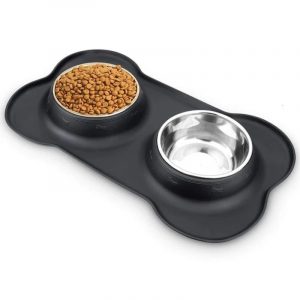
If your dachshund tends to gobble down their food, using a slow feeder or puzzle feeder can help. These tools encourage slower eating, improve digestion, and make mealtime more engaging. Plus, it helps prevent overfeeding by giving their body time to feel full. Here you can check the best food bowls for Dachshunds.
7. Monitor Progress and Adjust
Monitor their progress by weighing them every two weeks. Aim for 1-2% body weight loss per week—loosing too much weight too fast is bad.
- If they’re not losing weight, cut back 5-10% of their food.
- If they’re losing too fast, add a little more food back in.
Vet checks will help you know if they’re on track and rule out any underlying health issues that might be affecting weight loss.
- Be Consistent and Patient
Losing weight for your dachshund is a marathon not a sprint. Stay consistent with their diet and exercise plan and don’t give in to those puppy dog eyes when they beg for more snacks.
Weight loss takes time, but even a small amount of weight loss can make a big difference in their mobility, energy and overall health. Celebrate the small wins along the way—you’re doing a great job!
Why Isn’t My Dachshund Puppy Gaining Weight?
If your dachshund puppy isn’t gaining weight as expected it’s concerning. Puppies are supposed to grow fast in their first year so any signs of slow growth or being underweight should be investigated. There are several reasons why your dachshund puppy weight may be below average and how to fix it. Here’s a rundown of the most common reasons your dachshund puppy weight may be off and how to deal with it.
1. Poor Diet or Inadequate Nutrition
One of the most common reasons for slow weight gain in dachshund puppies is improper feeding. Your puppy needs a high-quality, balanced diet rich in protein, fats, and essential nutrients to fuel growth.
Signs of Poor Nutrition:
- Dull coat
- Lethargy
- Slow growth rate
- Frequent diarrhea
Solution:
- Choose the Right Food: Ensure you’re feeding puppy-specific dog food with a high protein content.
- Feed the Correct Amount: Follow the feeding guidelines on the package, but adjust based on your puppy’s energy level and metabolism.
- Consider Frequent Meals: Puppies have small stomachs, so feeding them 3–4 small meals a day is better than one or two large meals.
2. Parasites
Intestinal parasites like worms (roundworms, hookworms, or tapeworms) can steal nutrients from your puppy, leading to poor weight gain. This is especially common in young puppies who haven’t received deworming treatments.
Signs of Parasites:
- Bloated belly despite being underweight
- Frequent diarrhea or soft stools
- Vomiting
- Dull coat
Solution:
- Visit your vet for a fecal test to check for parasites.
- Your vet will recommend a deworming treatment if necessary. Regular deworming is essential for puppies.
3. Digestive Problems or Food Intolerance
Some dachshund puppies have sensitive stomachs or food intolerances that prevent them from absorbing nutrients properly. Common causes include food allergies, inflammatory bowel disease (IBD), or infections.
Signs of Digestive Problems:
- Chronic diarrhea or loose stools
- Vomiting after eating
- Poor appetite
- Abdominal pain
Solution:
- Switch to a sensitive stomach or limited-ingredient puppy food under your vet’s guidance.
- Avoid feeding table scraps or foods known to trigger allergies (chicken, grains, etc.).
- Ensure your puppy stays hydrated if they’re experiencing diarrhea.
4. Illness or Medical Conditions
Underlying medical conditions can also prevent weight gain. These can range from mild issues to more serious conditions like liver disease, kidney disease, heart defects, or hypoglycemia (low blood sugar) in small dachshund breeds.
Signs to Watch For:
- Lethargy
- Poor appetite or refusal to eat
- Sudden weight loss
- Difficulty breathing or coughing
- Slow growth compared to litter mates
Solution:
- Visit your vet for a thorough checkup if you suspect a medical issue. Blood tests, x-rays, or ultrasounds may be necessary to diagnose the problem.
5. High Energy Levels or Fast Metabolism
Some puppies are just naturally more active and burn more calories than others. If your dachshund puppy is constantly running around and playing, they might need extra calories to keep up with their energy demands. Smaller dogs have faster metabolism and they tend to burn more calories. Due to this, you might need to increase the number of meals ato give your Doxie enough energy through the day.
Solution:
- Increase their portion sizes slightly and monitor their weight weekly.
- Add high-calorie supplements (like puppy-safe wet food or healthy fats) if needed.
6. Weaning Too Early
If your dachshund puppy was separated from its mother too early (before 8 weeks), they may struggle to gain weight. Early weaning can leave them without essential nutrients and antibodies found in their mother’s milk.
Solution:
- Provide a high-quality puppy formula or high-calorie puppy food if they’re struggling to eat solid food.
- Work with your vet to develop a feeding plan to catch up on lost nutrition.
7. Stress or Anxiety
Stress can cause puppies to lose their appetite, leading to weight loss or poor weight gain. Moving to a new home, changes in routine, or environmental stressors can affect your dachshund’s eating habits. When a dog is suffering for a family member, it can leave severe consequences to their health and appetite. Therefore, you have to understand your dog’s feelings if you two are going to some life changes.
Signs of Stress:
- Loss of appetite
- Hiding or being overly clingy
- Excessive barking or whining
- Chewing or destructive behavior
Solution:
- Create a calm, consistent routine for your puppy.
- Use positive reinforcement and avoid sudden changes in their environment.
Conclusion: Keeping Your Dachshund Healthy and Happy
Understanding the ideal dachshund weight at every life stage is one of the best things you can do for your furry friend. Whether you have a miniature dachshund, rabbit dachshund, or a standard dachshund, staying within the healthy weight range will protect their back, joints, and heart.
Be proactive! Weigh your dachshund regularly, feed them a balanced diet, and give them plenty of love and exercise. With the right care, your dachshund will live a long, happy, and healthy life.
The best weight for your dachshund isn’t just about numbers on a scale—it’s about their overall health, energy, and quality of life.






 Dachshund Jackets & Coats
 Dachshund Hoodies
 Dachshund Sweaters
 Dachshund Shirts
 Dachshund Life Jackets
 Dachshund Costumes
 Dachshund Pajamas

 Dachshund Harnesses
 Dachshund Collars


 Dachshund Backpacks


