How Much Does IVDD Surgery Cost for Dachshunds?

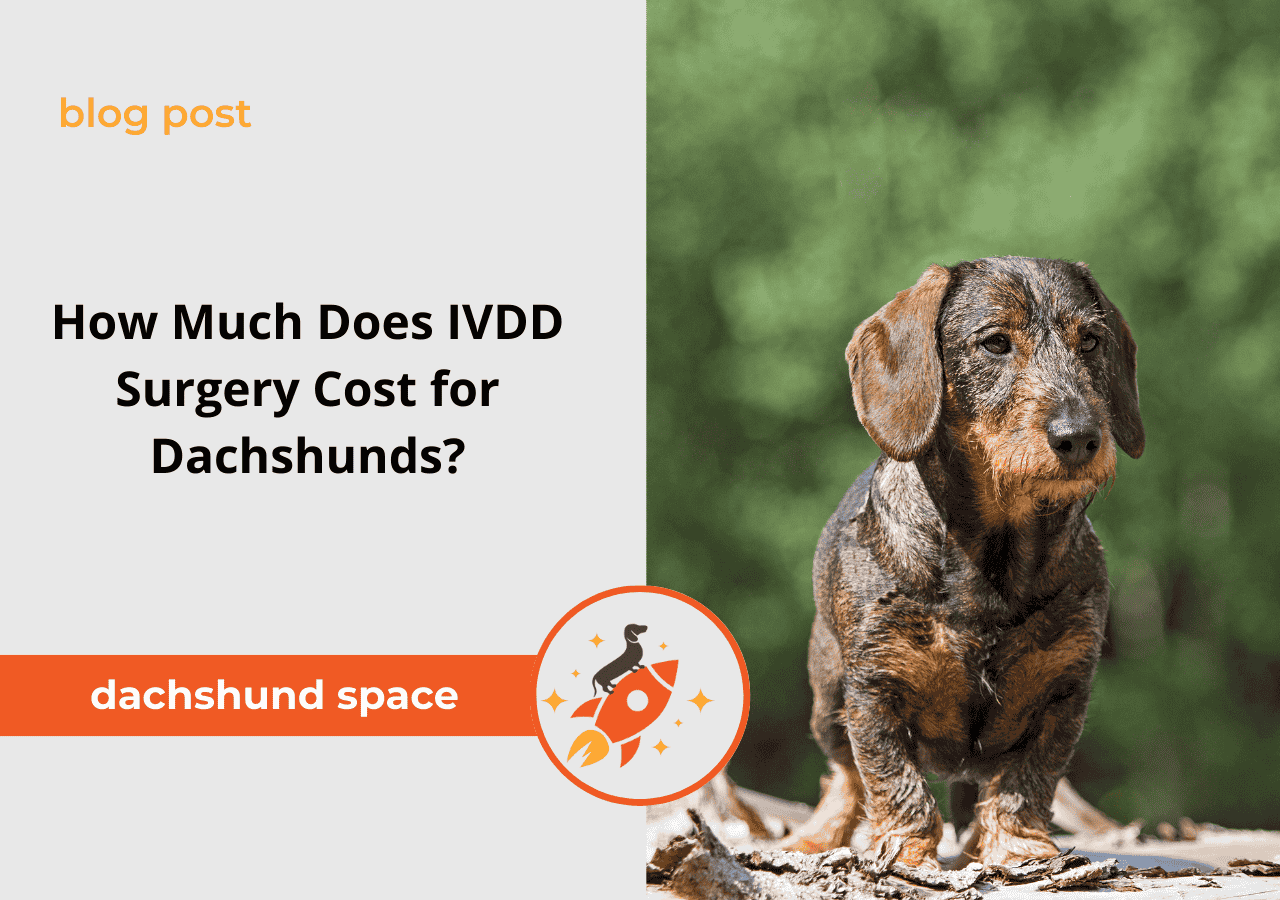
If you’ve just discovered your Dachshund suffers from IVDD, then you definitely would like to know the cost of the surgery. IVDD is very common in Dachshunds and it requires an immediate treatment. I still remember the day my friend’s Dachshund, Toby, yelped in pain after jumping off the couch. The vet said it was likely IVDD (intervertebral disc disease) – a common “slipped disc” problem in long-backed dogs. Suddenly, we needed to know how much IVDD surgery costs. In this post, I’ll break down the expense of IVDD surgery in the US, explain what affects the price, and share how I navigated the choices.
What Is IVDD and Why Dachshunds Are At Risk
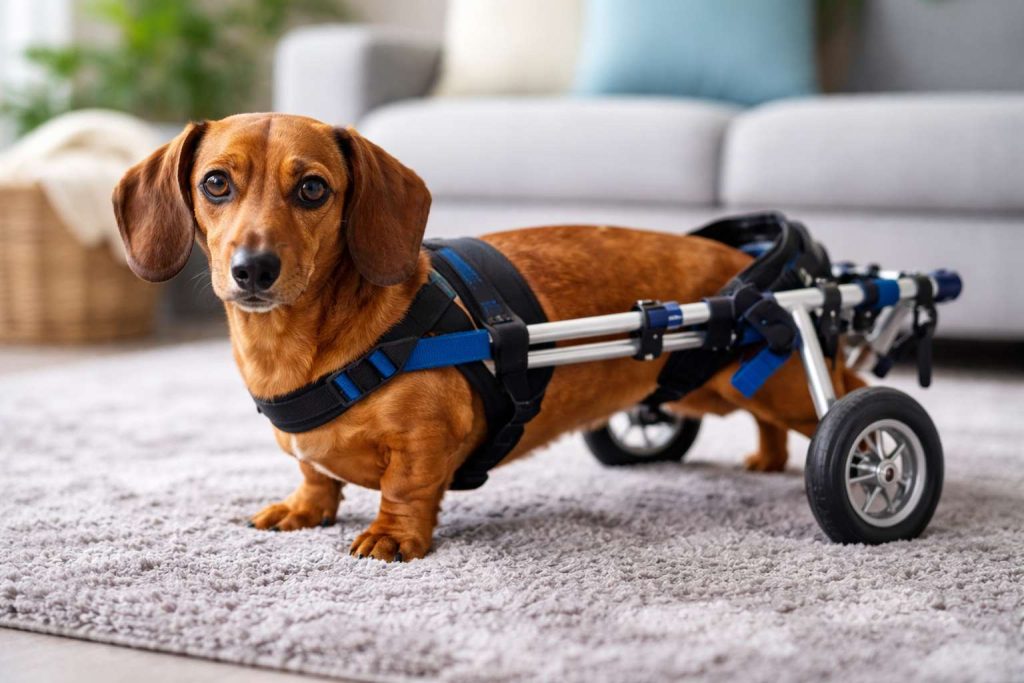
IVDD happens when the soft discs between a dog’s vertebrae degenerate and bulge or rupture, pressing on the spinal cord. This can cause sudden pain, leg weakness, or even paralysis. Breeds with long backs and short legs – especially Dachshunds – are most prone to Intervertebral Disc Disease. Many vets actually call IVDD the ‘’dachshund disease’’. Unfortunately for Toby, the vet confirmed he had a ruptured disc.
Unlike a torn ACL or broken bone, IVDD isn’t a one-off injury. It’s a degenerative condition. There is currently no cure for IVDD, so you can only manage it. Prompt treatment (rest, medication, or surgery) can help a dog recover, but even after surgery, the underlying disk problem still exists. I had to accept that reality as I prepared for possible surgery.
Diagnosing IVDD: Imaging and Examination
Before surgery, veterinarians typically use imaging (X-ray, CT or MRI) to pinpoint the injury. In Toby’s case, we opted for an MRI. It’s the gold standard for IVDD because it shows soft tissues clearly. However, MRI machines are expensive.
In the US, MRI diagnostics for a dog run $2,500–$6,000, though CT scans can be cheaper ($1,500–$3,500). My local clinic didn’t have an MRI, so we were referred to a specialty hospital. Already the estimate for tests alone was a few thousand dollars. This is worth knowing: diagnostic imaging often adds several thousand to the bill. They can be $1,500–$5,000 on top of the surgical fee.
Other pre-surgery costs include bloodwork, physical exam, and anesthesia clearance. These might add a few hundred dollars. As one source notes, a complete package often includes exams, blood tests, X-rays, and MRI before the surgeon even begins.
Non-Surgical vs. Surgical Treatment
Since the bill was mounting, we asked if Toby could heal without surgery. For mild IVDD, a strict cage rest (at least 4–6 weeks) plus pain medications can sometimes do the trick.
Non-surgical management (anti-inflammatories, crate rest and rehab) aims to allow the disc to heal on its own. Indeed, our vet said that if Toby could still walk, we might try conservative therapy first. Our vet explained to us that when a dog can walk, non-surgical treatment can help.
In this case, Toby was losing strength in his hind legs, so waiting carried a risk of permanent paralysis. For many owners I spoke to, surgery was the only reliable way to save their dog’s mobility.
Non-surgical care may save money up-front, but it isn’t guaranteed. If surgery is needed later, delaying it can even worsen the prognosis. The consensus I found (including from specialists) was that once significant limb weakness appears, prompt surgery greatly improves outcomes.
Surgical Options and How Much IVDD Surgery Costs?
When conservative care isn’t enough, vets perform decompression surgery (often a hemilaminectomy or ventral slot) to remove the offending disc material. Surgery is complex and requires general anesthesia, spinal surgery expertise, and often a few days of hospitalization. All those factors make it expensive.
In the US, IVDD surgery itself typically costs about $2,000–$4,000. That range is just for the operation – it doesn’t include all the add-ons. Once you add in everything (imaging, anesthesia, hospital stay, rehab, etc.), total treatment cost usually hits $5,000–$12,000.
For those searching regionally, the estimated cost of bulging disc surgery for dogs in Las Vegas typically falls between $4,500 and $9,000, depending on diagnostics, emergency care, and post-operative rehab.
Here’s a typical breakdown of IVDD surgery cost:
- Imaging (MRI, X-rays): $1,500–$5,000. MRI is pricier but more accurate.
- Surgery & anesthesia: $2,000–$5,000. (Larger dogs or neck surgeries can cost more.)
- Hospital stay & meds: $1,000–$3,000. Post-op care includes 2–5 days of ICU/monitoring.
- Rehab & physical therapy: $500–$2,000. Many vets recommend a few weeks of rehab (e.g. underwater treadmill) after surgery.
Success Rates and Prognosis of IVDD Surgery
There’s no doubt that every owner is worried and asking these questions:
- What if my dog wouldn’t be able to walk again?
- Will my dog live in pain after ivdd surgery?
Well, success depends on how quickly you act and the severity of the damage.
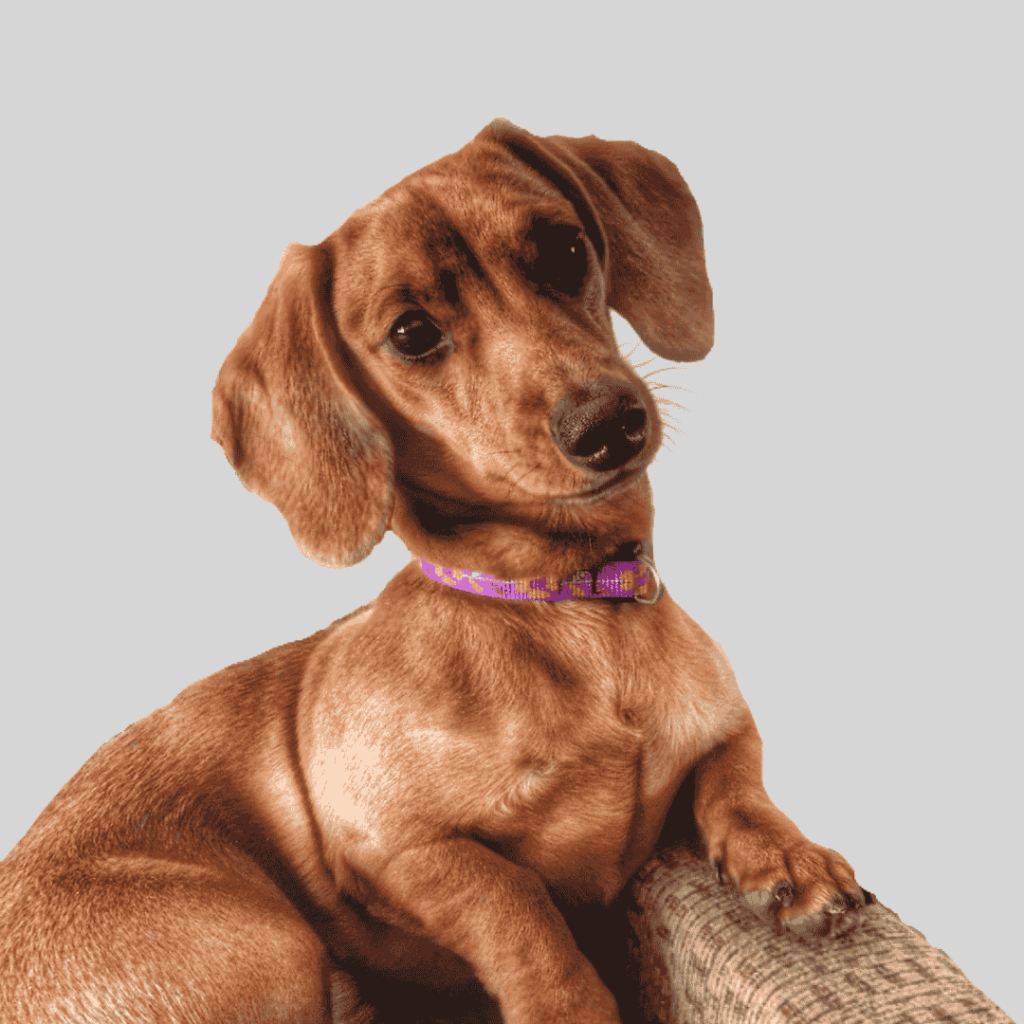
In other words, if nerve function is intact, surgery is very likely to restore mobility. However, if your dog has lost sensation or cannot feel its legs, success drops. That’s why we can say that timing is critical. The delaying surgery even a day in a paralyzed dog can halve the chance of walking again. Thankfully, Toby at least still had some reflexes, so we felt hopeful.
Success usually means returning to walking and being pain-free, but it may not be a perfect recovery. Some dogs regain mobility but have lingering issues. They have a slightly weak tail, occasional incontinence, or a permanent limp. Older dogs or those with pre-existing conditions may recover more slowly. The typical rehab timeline is about 6–8 weeks: crate rest at first, then gradually more walking and physical therapy. Many dogs are walking again by 6–12 weeks post-op, though full strength can take months.
Best Veterinary Centers for IVDD Surgery
Given the cost and stakes, we wanted the best care available. IVDD surgeries are delicate spine operations. Therefore, it’s wise to go to a surgeon with advanced training in neurology or orthopedics.
In my hunt, a few names came up repeatedly: Southeast Veterinary Neurology (Florida/Virginia) and Colorado Canine Orthopedics (Colorado Springs) are two big specialty centers renowned for spinal surgery.
1- Southeast Vet Neurology – run by Dr. Mike Wong and team – has treated over 20,000 IVDD cases and boasts a neurosurgery success rate above 95%. They have multiple 24/7 facilities in Florida and even one in Virginia.
2- Colorado Canine Orthopedics, on the other hand, is a smaller orthopedic practice but one of the most experienced in the country..
Recovery and Rehabilitation After IVDD Surgery In Dachshunds
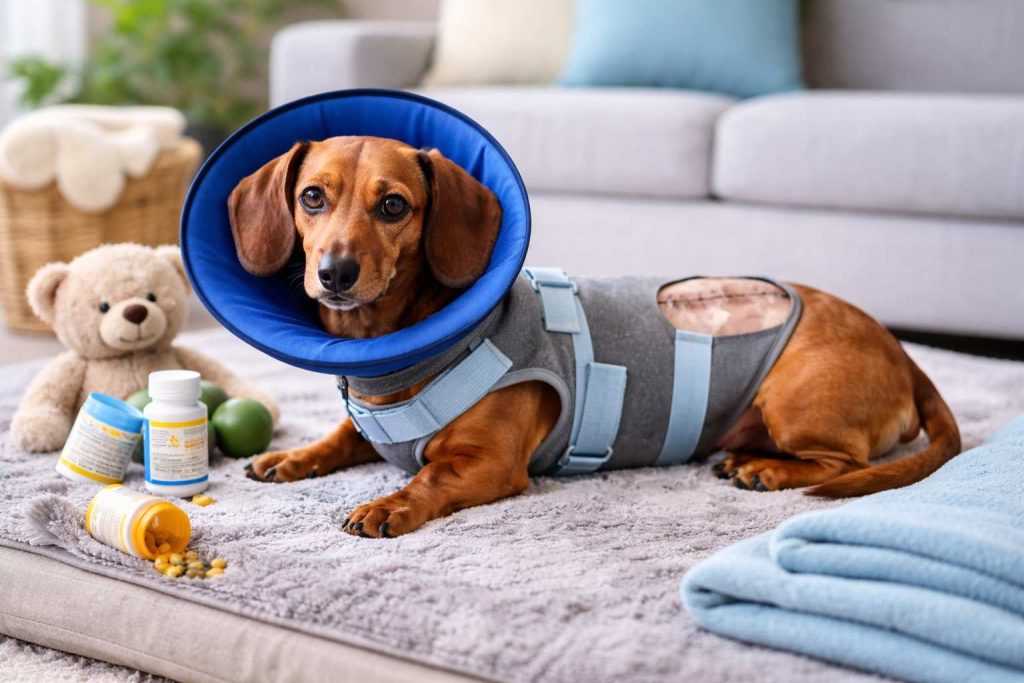
After surgery, Toby stayed at the hospital for 2 nights for monitoring (included in their fee). When he came home, he wore a snug fleece onesie to protect his incision. We kept him crated except for bathroom breaks on leash.
During the first 4 weeks we strictly avoided stairs and jumping – simple daily motions that could harm the healing spine. Pain meds and anti-inflammatories were given as prescribed. By week 3 I introduced gentle physical therapy: short leash walks, tummy massages, and gentle assisted standing exercises.
From what I read, this regimen was typical. A vet guideline suggests:
- Weeks 1–2: strict rest, crate confinement;
- Weeks 3–4: start slow rehab;
- Weeks 5–8: increase walking;
- after 8 weeks: most dogs return to normal life.
In many cases hydrotherapy or underwater treadmill is added around week 4–6 to build strength without weight-bearing. We did a few sessions of aqua-therapy at a canine rehab center, which Toby loved. This extra care likely sped his recovery.
By 8 weeks post-op, Toby was walking unassisted, climbing a few steps, and playing cautiously with his toys.
Six months later he’s running full speed again.
Managing IVDD Long-Term: Supplements and Care
After the ordeal, I wanted to do whatever might prevent another episode. Dachshunds often have multiple affected discs over their lifetime. While there’s no magic pill that “cures” IVDD, some owners use supplements to support spinal health. Common choices are:
- Glucosamine and chondroitin- They are good for joint cartilage and maintain disk cushion and joint lubrication.
- Omega-3 fatty acids (fish or cod liver oil for inflammation), and antioxidants like vitamin E.
- Collagen Peptides support connective tissue.
- Hyaluronic acid is good for joint lubrication
- Various herbal or CBD products
FAQ About The IVDD Surgery in Dogs
Q: How much does IVDD (slipped disc) surgery typically cost for dogs?
A: On average, the surgery itself is about $2,000–$4,000, but that’s not all. When you include diagnostics (X-ray/MRI), anesthesia, hospital stay, and rehab, total treatment usually runs $5,000–$12,000. Many owners report bills in the $4,000–$8,000 range. However, emergency or severe cases (e.g. Dachshund paralysed, requiring 24/7 specialist care) can push costs toward $10,000 or more. Location matters too: surgery in a major city or specialized center tends to be at the higher end.
Q: Can IVDD be cured or will it come back?
A: Sadly, there is no cure that stops the underlying IVDD degeneration. Surgery (or rest) treats the current disc herniation, relieving pain and often restoring mobility. But the genetic/diet factors that caused IVDD in the first place remain. Many Dachshunds experience repeat episodes at other discs over time. That’s why aftercare (weight management, preventing jumps, etc.) is important. In essence, IVDD can be managed very successfully, but not permanently cured.
Q: What is the success rate of IVDD surgery in dogs?
A: Success is highly dependent on severity. Almost 90% of dogs that still had pain sensation and could somewhat move at the time of surgery recovered. If paralysis has set in but deep pain is present, success may drop to around 50–60%. In grade-5 (no pain feeling) cases, the odds are lower yet unless surgery is done immediately. In other words, earlier intervention yields better outcomes. Many dogs do walk again after surgery – numerous case studies and rehabilitation success stories back this up.
Q: Are there any recommended supplements or therapies for dogs with IVDD?
A: Supplements can support recovery but won’t fix a herniated disc. Common supplements include omega-3 fatty acids (fish or cod liver oil), glucosamine/chondroitin (for cartilage), collagen/hyaluronic acid, and antioxidants (vitamin E, selenium). Dogs given cod liver oil had fewer IVDD incidents. Many vets will suggest adding fish oil and a joint supplement if the dog tolerates it. Physical therapy (underwater treadmill, laser therapy) can greatly aid recovery too. However, in this case, I recommend you to always put on a dog swimming vest to keep your dog afloat.
Q: Which dog breeds need IVDD surgery most often?
A: Any breed can get IVDD, but it’s overwhelmingly common in short-legged, long-bodied breeds. Dachshunds top the list. Nearly 25% of them will suffer IVDD. Other at-risk breeds include Basset Hounds, French Bulldogs, Corgis, Beagles, Shih Tzus, and Pekingese. In larger breeds (Labrador, German Shepherd, etc.), a slower form of IVDD can also occur as they age. If you have a Dachshund (or a Frenchie, which also shows up frequently in literature), you should watch for IVDD symptoms (back pain, reluctance to jump, etc.) so you can act quickly.
Q: How long does it take for a dog to recover from IVDD surgery?
A: Recovery is gradual. Your dog will need strict crate rest for at least 4–6 weeks. The first few days post-op are mostly confined, with pain meds and gentle leg exercises. By 3–4 weeks you can usually start very light rehab (short walks, assisted standing). Many dogs start walking again by 4–8 weeks, though they may be wobbly. Most vets say by 8–12 weeks the dog is essentially “back to normal”, though subtle deficits (like a limp or incontinence) might persist in severe cases. We found exercises and a patience key. In our experience, it took Toby about 10 weeks to regain confident walking, and three months before he was happy zooming around again. The good news is, the sooner the treatment after onset, the faster the full recovery tends to be.
Q: Can pet insurance help cover IVDD surgery costs?
A: Yes, pet insurance can offset these costs, but only if you’re already insured before the IVDD event. IVDD is often considered a hereditary/congenital condition, so new policies usually have a waiting period and will not cover pre-existing or hereditary issues. If you had insurance covering accidents and illnesses for your dog and no prior back problems, claims would likely reimburse a large portion of IVDD surgery cost. Some policies even offer accident-only plans that cover IVDD if sudden. Unfortunately, many owners wish they’d insured their dogs sooner.
How Much Does IVDD Surgery Cost For Dachshunds? Wrapping Up
Dachshund IVDD surgery in the US is a significant investment. It often costs several thousand dollars, but it can be life-changing for your pet. We’re grateful that with swift treatment, Toby got back on his feet. If you’re facing this decision, gather multiple quotes, check for specialists, and don’t delay treatment if surgery is needed. Early intervention and expert care are what ultimately save our furry family members.




 Dachshund Jackets & Coats
 Dachshund Hoodies
 Dachshund Sweaters
 Dachshund Shirts
 Dachshund Life Jackets
 Dachshund Costumes
 Dachshund Pajamas

 Dachshund Harnesses
 Dachshund Collars


 Dachshund Backpacks


One thought on “How Much Does IVDD Surgery Cost for Dachshunds?”