
Puppy Witching Hour in Dachshunds: How to Calm Your Puppy at Night


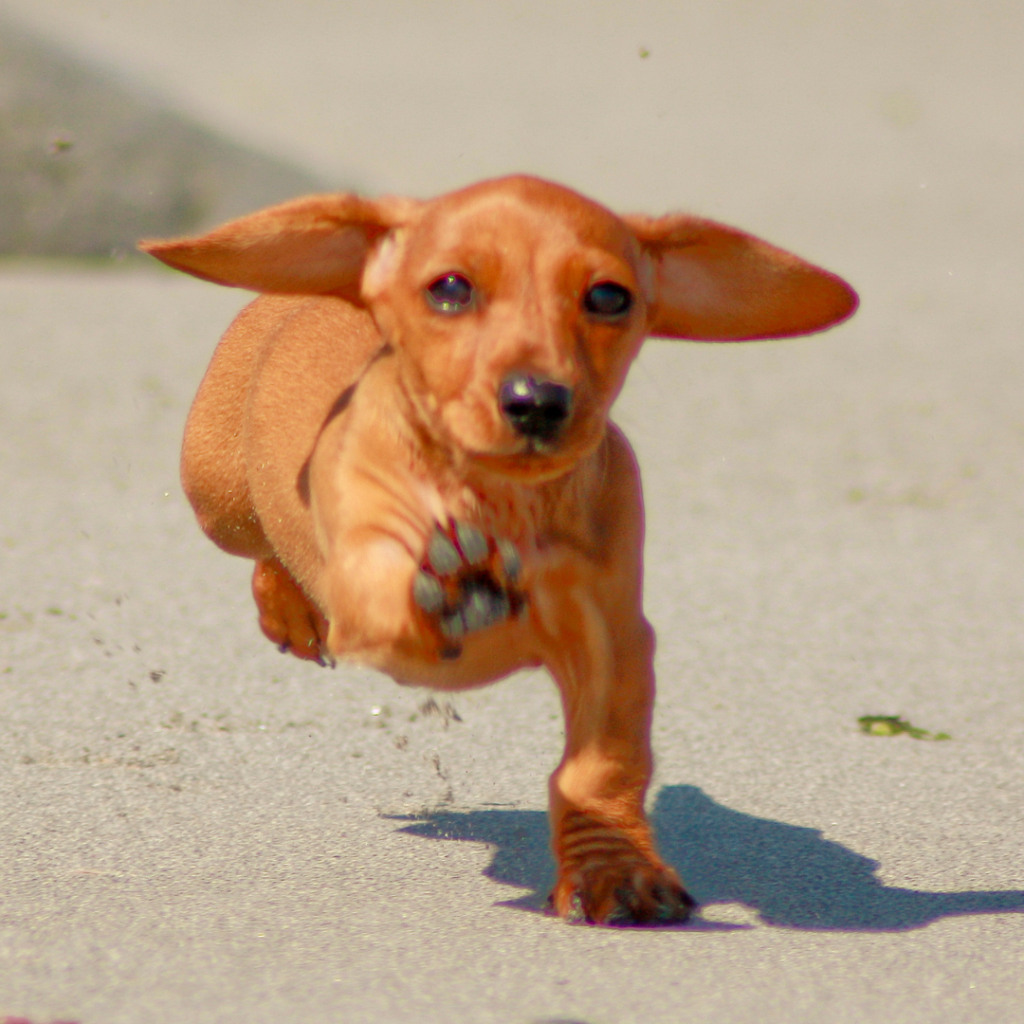
If you’ve ever seen your dachshund suddenly transform into a tiny, furry whirlwind just before bed, you’re in good company. One moment your pup is curling up for a nap, and the next, they’re tearing down the hallway, bouncing off the couch, digging in blankets, chewing on slippers, and sprinting wild circles around the house like they’ve downed three shots of espresso. This hilarious (and chaotic) burst of energy is known as the puppy witching hour—or, in dachshund households, the infamous “dachshund zoomies.”
At first, it’s pretty funny. But when it starts happening every single night, you can’t stand it. You’ll be enough of it especially when you’re exhausted, overstimulated, and wondering why your sausage dog turns into a little maniac as soon as the sun goes down.
I remember the first time it happened with a dachshund. It was late, the house was finally quiet, and I thought the night was winding down. Then out of nowhere, my dog exploded into motion. She sprinted from room to room, slid across the floor, jumped onto the rug, grabbed a toy, dropped it, barked at nothing, and ran again. My first thought was, What is going on? My second thought was, Is she okay? Is she scared or just wants to play? I felt confused, a little worried, and honestly a bit helpless. However, once I learned what was behind it, everything fell into place.
For many puppies, especially dachshunds, the witching hour is a very real thing. The good news is that there are simple ways to help your puppy feel calmer and more secure at night.
What is the puppy witching hour?
The puppy witching hour is a period in the evening when a puppy becomes extra hyper, mouthy, restless, or wild. This often happens when they are tired but unable to settle down. It can show up as biting, zooming, barking, pacing, or random bursts of energy.
With dachshunds, this can be especially dramatic. They are playful, curious, stubborn, and surprisingly fast. They love to put their noses into everything because it’s in their genes. So instead of a mild little energy spike, you may get full-on dachshund zoomies.
Some owners notice dachshund zoomies at night almost like clockwork. The puppy seems normal all day, then suddenly starts running through the house after dinner or right before bed. That is why so many people search for answers when their wiener dog zoomies start taking over the evening.
Why dachshunds get extra wild at night
Well, there are so many reasons for dachshund zoomies at night. Dachs are small, but their personalities are huge. They were bred to be brave, alert, and determined. Even as puppies, they are often switched on and ready for action. That does not always mix well with being overtired.
Here are the most common reasons a dachshund puppy gets the zoomies at night:
1. They are overtired
This is one of the biggest reasons. Puppies need a lot of sleep. When they do not get enough rest during the day, they can become cranky and overstimulated instead of sleepy. It is a bit like a toddler melting down before bedtime.
2. They have leftover energy
A puppy who has been bored all evening may suddenly release that energy in one big burst. This is where you may see things like mini dachshund backyard zoomies after dinner or mad laps around the living room.
3. They are overstimulated
Too much noise, too much play, too many visitors, or too much excitement close to bedtime can make it harder for a dachshund to settle.
4. They do not have a predictable routine
Dachshunds often do better when life feels structured. If bedtime changes every night, or if the evening routine feels random, your puppy may struggle to switch into calm mode.
5. They need help learning how to settle
Some puppies do not naturally know how to wind down. They need you to teach them.
Are dachshund zoomies normal?
Most of the time, yes. Dachshund zoomies are usually normal. Puppies have those bursts of energy to expel their boredom, frustration, stress or drowsiness.
That said, the full picture deserves your attention. Normal zoomies are short, fun and come to an end shortly after. Your puppy should appear happy, alert and normal afterward.
If your dachshund appears uncomfortable, is crying, in pain or can’t get comfortable, so much they excessively scratch or suddenly there’s a behavioral change — it’s worth calling up your vet to check on it. Because dachshunds can be susceptible to back problems, it’s always a good idea to pay attention to whether they are moving well or seem physically uncomfortable.

Why nighttime can be harder for dachshunds
Night can feel strange for a puppy. The house gets quieter. People slow down. Lights change. There is less activity, but also less distraction. Some puppies feel sleepy. Others suddenly seem more restless.
Dachshunds can be very attached to their people, so nighttime may also bring a little anxiety. If your puppy senses that everyone is getting ready to leave the room, stop playing, or go to sleep, they may react with clingy behavior or a burst of energy. If your dog seems nervous and can’t settle down, my advice is to put his/her bed beside your bed. In that way, your Dach will feel your scent and feel more secure. In case you’re looking for the right dachshund bed, then check our bed collection.
That is why helping a dachshund feel calm during night is not just about tiring them out. It is also about helping them feel safe, secure, and emotionally settled.
How to calm a dachshund puppy at night
Here are the most effective ways to make bedtime easier.
1. Create a calm evening routine
Dogs love patterns. A simple bedtime routine helps your puppy know what is coming next.
Your evening could look like this:
- short sniff walk or potty break
- calm play session
- water and dinner at a regular time
- quiet cuddles or chew time
- final potty trip
- bed
Try to keep this routine similar each night. A predictable rhythm helps your dachshund’s brain switch from play mode to sleep mode.
2. Do not save all the excitement for the evening
Many owners are busy during the day, then try to make up for it at night with lots of play. That sounds logical, but it can backfire.
If your dachshund gets all their stimulation late in the day, they may struggle to come back down. Spread activity throughout the day instead. Short training sessions, sniff games, puzzle toys, and gentle play earlier in the day can help prevent that explosive nighttime energy.
3. Use sniffing and brain work, not just physical exercise
A lot of people think a wild puppy needs more running. Sometimes that helps. But often, a dachshund puppy needs mental work more than intense activity.
Try:
- scatter feeding
- easy puzzle toys
- short training sessions with treats
- sniff walks
- “find it” games indoors
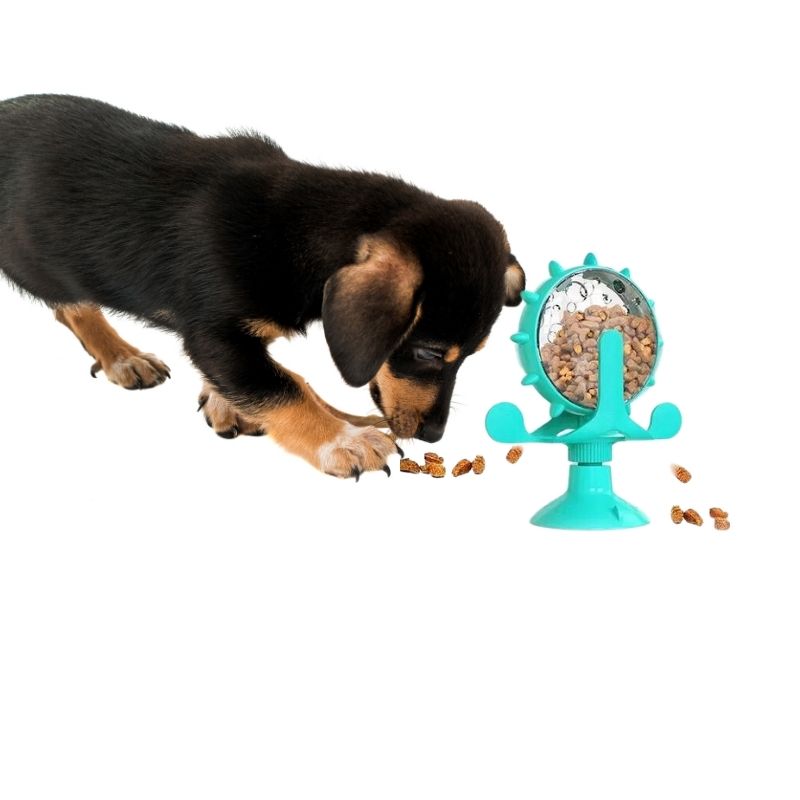
Mental enrichment can calm a puppy faster than endless chasing games. It helps them use their brain without getting even more hyped. One of the best interactive toys you can find in our Dachshund Space online store is Dachshund IQ Feeder Toy. As your dog rolls the wheel, it will release the dry kibble and your pooch will stay entertained.
4. Avoid rough play right before bed
Wrestling, chasing, and overly exciting games can push your puppy into a higher state of arousal. Then you are left dealing with dachshund zoomies at night when you were hoping for a peaceful bedtime.
In the last hour before sleep, switch to gentler activities. A lick mat, soft chew, calm petting, or quiet time beside you often works better. You can’t expect that your dog will be calm if you trigger him/her with rough activities and play.
5. Teach your dachshund how to settle
Settling is a skill. Some puppies need practice.
You can start by rewarding calm behavior. If your dachshund lies down quietly, sighs, rests near you, or relaxes on their blanket, softly praise them and offer a treat. This teaches them that calm behavior gets noticed too.
A cozy bed can also help. Many dachshunds love soft, enclosed sleeping spots where they can burrow and feel protected.
6. Keep the sleep space cozy and secure
Dachshunds often love warmth and comfort. Their sleeping space should feel safe, not stimulating.
A good nighttime setup may include:
- a soft supportive bed
- a light blanket
- dim lighting
- white noise if the home is noisy
- a crate or pen if your puppy feels secure there
If your dachshund likes to burrow, give them something safe to snuggle into. That instinct can be very soothing.
7. Make sure naps happen during the day
This is a big one. An overtired puppy is often a chaotic puppy.
If your dachshund has skipped naps, the evening may turn into total madness. Many young puppies need structured rest, even when they do not choose it on their own. Quiet crate time, pen time, or nap time in a calm room can make a huge difference.
Sometimes the answer to nighttime chaos is simply more daytime sleep.

8. Stay calm during the zoomies
When the zoomies hit, try not to panic. Do not chase your puppy or turn it into a big dramatic event. That can accidentally make it more fun.
Instead:
- remove anything unsafe
- keep your voice calm
- guide them toward a toy or chew
- dim the environment
- take them for a quick potty break if needed
- transition into quiet time
Think of it as helping them land, not fighting the energy head-on.
9. Protect your dachshund’s back
Because dachshunds have long backs and short legs, wild late-night running and jumping should not be encouraged on furniture or stairs.
That does not mean your puppy can never be playful. It just means you want safe movement. Block stairs if needed. Use ramps where possible. Avoid games that involve repeated jumping on and off beds or sofas.
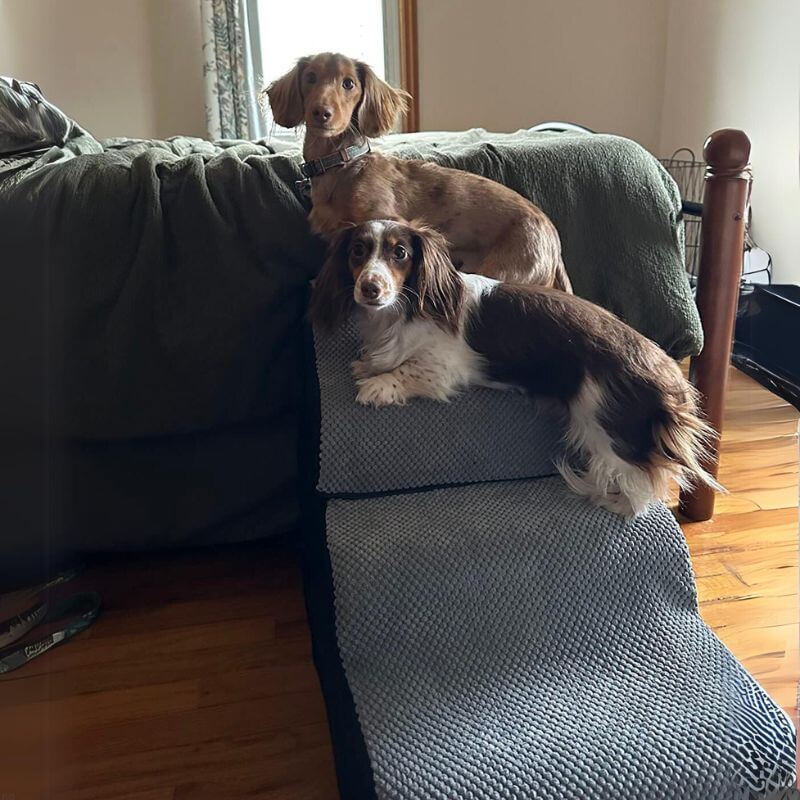
This matters even more if your puppy’s wiener dog zoomies include launching themselves around the house with zero self-control.
10. Try Calming Aids
Several evidence-supported calming aids can help take the edge off a dachshund’s witching hour:
- Diffuser or collar — releases a synthetic version of the calming pheromone mother dogs produce for their puppies. Many dachshund owners report significant improvement within a week of use.
- Snug-fitting anxiety wraps — gentle, constant pressure around the torso can have a calming effect, similar to swaddling in infants.
- Lavender-scented bedding — a very small amount of diluted lavender near (not on) a dog’s sleeping area has been associated with reduced restlessness in several studies.
- Melatonin — in low doses, vet-approved melatonin can support nighttime settling in puppies. Always consult your veterinarian before giving any supplement.
11. Notice patterns
Keep an eye on when the puppy witching hour happens.
Ask yourself:
- Is it after dinner?
- Is it after visitors leave?
- Is it worse on days with fewer naps?
- Is it worse when bedtime is later?
- Is it better after a sniff walk?
Patterns help you fix the real cause instead of guessing.
A real-life way to think about it
The puppy witching hour does not usually mean your dachshund is bad, spoiled, dominant, or out of control. It usually means your puppy is having a hard time regulating energy and emotions.
That shift in mindset helps a lot.
When my dachshund started doing nighttime laps through the house, I first felt annoyed because I was exhausted. Then I felt guilty for being annoyed. But once I looked at it differently, I realized she was not trying to make the night harder. She was overwhelmed, tired, and unable to settle herself. What she needed was structure, calm, and consistency from me.
That changed everything.

When to talk to a vet
Most puppy witching hour behavior is normal. But it is worth checking with your vet if:
- the behavior suddenly gets worse
- your puppy seems painful
- your dachshund cries when running or being picked up
- there is constant itching, licking, or discomfort
- sleep is poor every single night
- your puppy cannot settle at all
- there are signs of tummy trouble or distress
Trust your gut. You know your dog best.
Why Are Dachshunds Particularly Prone to the Witching Hour?
Not all puppies experience the witching hour with equal ferocity. Dachshunds, however, are a breed that tends to feel it deeply — and understanding why can help you respond more effectively.
1. They Were Bred to Be Tenacious Hunters
Dachshunds were originally developed in Germany to hunt badgers underground. That heritage gave them an enormous amount of drive, courage, and stamina packed into a very small body. When that energy doesn’t have a proper outlet throughout the day, it builds up and explodes in the evening. A dachshund isn’t being “bad” during the witching hour — it’s expressing centuries of selective breeding.
2. They Are Emotionally Intense
Dachshunds bond deeply with their families and are highly sensitive to the emotional atmosphere of a home. If the household has been busy, loud, or stressful during the day, your dachshund will have absorbed that energy — and the evening release can be dramatic.
3. They Have a Strong Independent Streak
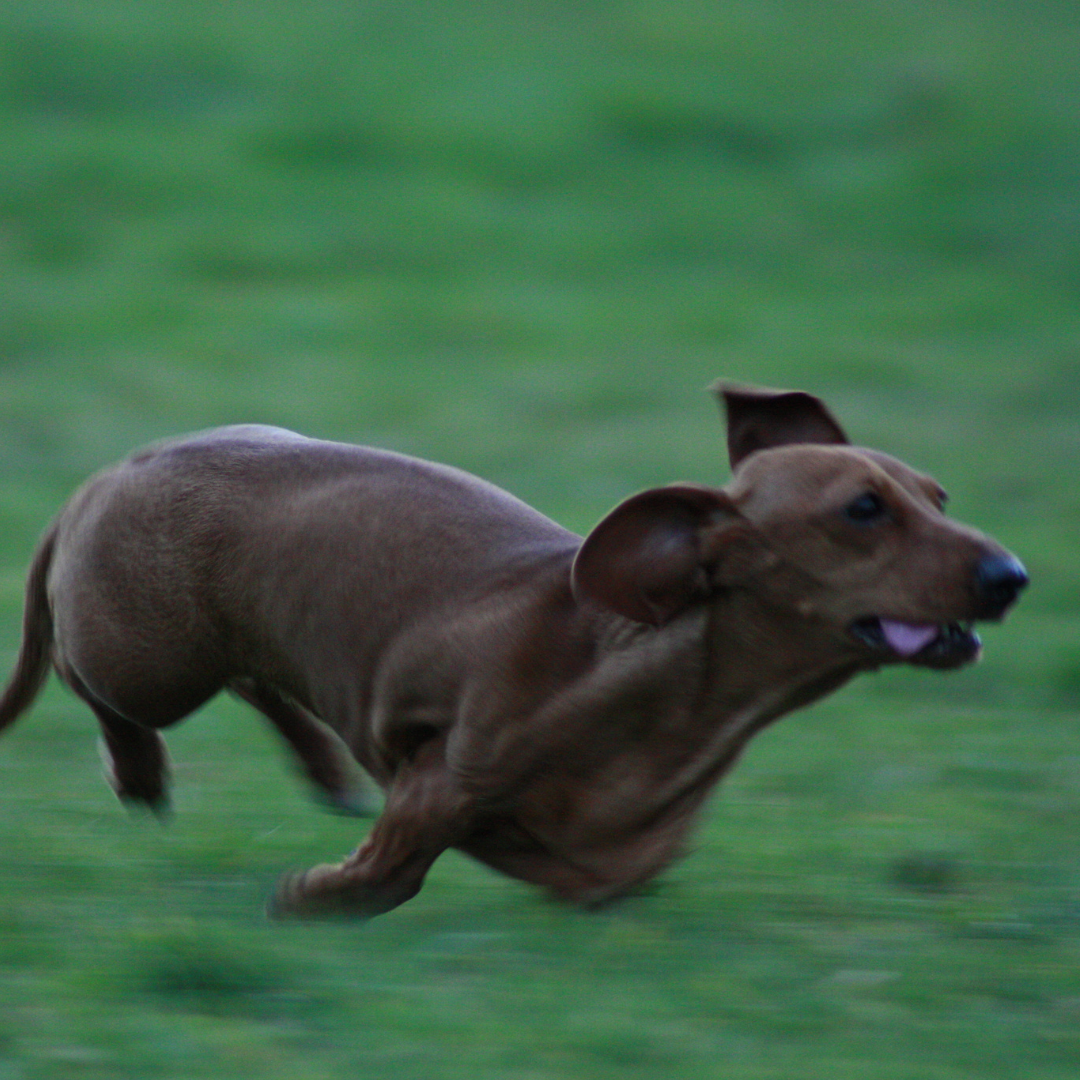
Unlike some breeds that are easily redirected by their owners, dachshunds are famously stubborn. Once they’re in a heightened state, they don’t easily snap out of it on command. This means you need to work with the witching hour rather than trying to overpower it.
4. Their Long Backs Create Physical Tension
Dachshunds are prone to spinal issues (IVDD), and physical discomfort or tension in the back can contribute to nighttime restlessness. A puppy who is experiencing mild back soreness from a long day of activity may struggle to settle, appearing irritable or overstimulated even when they’re actually uncomfortable.
FAQ about Dachshund Zoomies
When Does the Witching Hour End?
For most dachshunds, the witching hour becomes noticeably less intense by 4 to 6 months of age, as their nervous systems mature and their ability to self-regulate improves. With a consistent routine, adequate daily exercise, and calm evening management, many owners find it resolves almost completely by the time their dachshund reaches 8 to 10 months.
Patience is everything. The witching hour is not a behavior problem — it’s a developmental phase. Your dachshund is not trying to drive you mad. They simply don’t yet have the neurological tools to calm themselves down. Your job is to be their external regulator until they can do it on their own.
Do mini dachshunds get zoomies more often?
Mini dachshunds can definitely be prone to zoomies because they are playful, alert, and full of personality. Some owners notice mini dachshund backyard zoomies after dinner or in the evening, especially if their puppy has not had enough mental stimulation during the day. Even though they’re smaller than standard Doxies, mini and rabbit dachshunds still need enough physical and mental occupation. You can prevent mini dachshund backyard zoomies by installing our Dachshund Splash Summer Pool.

Should I play with my dachshund during the zoomies?
It is better not to turn the zoomies into a big exciting game. Chasing your dachshund or hyping them up can make it harder for them to settle. Instead, stay calm, keep them safe, and guide them toward a quieter activity once the burst passes.
Can being overtired cause dachshund zoomies?
Yes, overtired puppies often get zoomies. This surprises a lot of owners because we expect a tired puppy to simply fall asleep. In reality, many puppies get extra wild when they are exhausted and do not know how to calm themselves down. A similar thing happens in babies too. When a baby is tired, hungry, or skipped its afternoon nap, then it will have a much harder time falling asleep. That is why it is very important to direct a dog or a small child to sleep during the hours when melatonin (sleep hormone) is secreted.
How do I stop my wiener dog zoomies from happening every night?
You may not be able to stop them overnight, but you can reduce them by keeping a regular schedule, encouraging daytime naps, using calming activities in the evening, and avoiding overstimulation before bed. Over time, many puppies learn how to settle more easily.
When should I worry about nighttime zoomies?
If your wiener dog starts to do the zoomies every night and behaves unusually frantic then it’s time to visit a vet. Puppy’s witching hour should not happen every night. You should talk to your vet if your dachshund seems distressed, painful, unusually frantic, or unable to settle at all. It is also worth checking with a vet if the behavior comes with crying, limping, digestive issues, or sudden changes in mood or movement.






 Dachshund Jackets & Coats
 Dachshund Hoodies
 Dachshund Sweaters
 Dachshund Shirts
 Dachshund Life Jackets
 Dachshund Costumes
 Dachshund Pajamas

 Dachshund Harnesses
 Dachshund Collars


 Dachshund Backpacks


