
Can Dachshunds Be Left Alone? 5 Things To Know

Dachshunds are one of the most charming and popular dog breeds, celebrated for their unique physique, spirited personality, and loving nature. However, many potential or new dachshund owners often wonder: Can dachshunds be left alone? This comprehensive guide explores why dachshunds shouldn’t be left alone for long periods, how to prepare your dog to spend time alone, recognizing readiness for independence, and identifying signs of separation anxiety.
Why Dachshunds Shouldn’t Be Left Alone?
Dachshunds are affectionate, social dogs that thrive on companionship. Leaving them alone for extended periods can lead to behavioral and emotional issues. Here’s why:
1. Highly Social Nature
Dachshunds were originally bred as hunting dogs and worked closely with their human handlers. Over time, they’ve become devoted family pets, forming strong bonds with their owners. This deep attachment makes them highly sensitive to loneliness.
2. Prone to Separation Anxiety
Dachshunds are particularly prone to separation anxiety, a condition that causes distress when they’re left alone. Without adequate preparation, your dachshund might exhibit destructive behaviors, excessive barking, or even self-harm.
3. Small Bladder Control
Dachshunds are small dogs with small bladders. If left alone for too long, they may struggle to control their need to relieve themselves, leading to accidents and stress. In case you’re out for more than 5 hours a day, then make sure you dog has a special spot where he can pee. You should place a pee pad in a separate corner in the house that will prevent your Doxie from other messes in the house.
4. Mental Stimulation Needs
This intelligent breed requires regular mental stimulation. Long periods of solitude without toys, puzzles, or interaction can result in boredom, leading to undesirable behaviors like chewing furniture or digging. If you ask me, I always recommend owners of these pooches to give their dogs at least 3 toys they can play with. One toy should be made of rubber so the dog can chew it. The second one should be interactive feeding toy to keep your dog’s mind occupied. And, the third one should be a sort of ‘’tug-of-war’’ toy to trigger your dog’s mind!
In our collection of Dachshund toys, you can find all types of dog toys you need.for your pet.
5. Health Concerns
Stress from being left alone can impact a dachshund’s overall health. Chronic anxiety has been linked to weakened immune systems and digestive issues in dogs. Separation anxiety in dachshunds can become a severe condition if you leave it untreated.
Teaching a Dachshund to Spend Time Alone
While dachshunds shouldn’t be left alone for long periods, teaching them how to tolerate short spans of independence is crucial. Here’s a step-by-step guide:
1. Start with Short Intervals
Begin by leaving your dachshund alone for just a few minutes. Gradually increase the time as they get more comfortable. For example:
- Leave the room for 5 minutes.
- Increase it to 10-15 minutes the next day.
- Build up to an hour over several weeks.
2. Create a Safe Space
Establish a comfortable, secure area for your dog to retreat to when alone. This could be a cozy corner with their bed, toys, and a blanket. Using a crate can also be helpful if your dachshund is crate-trained, as it provides a sense of safety. In case you’re searching for the right dog bed, then we recommend you to check our collection of Dachshund beds.
Read our blog post on How to choose the right bed for your Doxie as well.
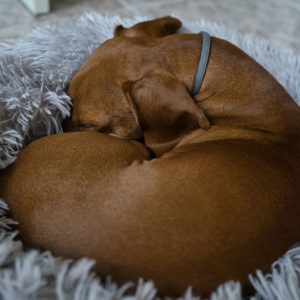
3. Practice “Alone Time” When You’re Home
Encourage your dachshund to spend time in their safe space even when you’re home. This helps them understand that solitude isn’t a punishment.Your Wiener dog should get used to this routine and consider it for normal. You need your own space and your furry friend should learn not to interrupt you during your time of sleeping, reading, or doing something else at home.
4. Use Positive Reinforcement
Reward your dachshund for calm behavior when left alone. Treats, praise, and affection reinforce that being alone isn’t a negative experience.
5. Provide Mental Stimulation
Leave interactive toys, puzzle feeders, or chew toys to keep your dachshund entertained. Rotate these toys regularly to keep their interest alive.
6. Stick to a Routine
Dogs thrive on routine. Establish consistent feeding, walking, and playtime schedules so your dachshund knows what to expect throughout the day. That’s how your dog will be sure that you’ll get back home and that he will get everything he needs during the day.
7. Desensitize Your Departure Cues
Dachshunds often pick up on cues like grabbing keys or putting on shoes, which can trigger anxiety. Practice these actions without leaving to reduce their association with your departure.
Recognizing When Your Dachshund is Ready to Spend Time Alone
Patience and observation are key to determining when your dachshund is ready to spend longer periods alone. Look for these signs:
1. Calm Behavior in Safe Spaces
If your dachshund willingly relaxes in their designated area without becoming agitated, it’s a good indicator that they’re comfortable with short-term independence.
2. Reduced Clinginess
A dachshund that doesn’t follow you from room to room constantly may be more secure in spending time alone. A confident dog who
3. Engagement with Toys
If your dog can keep themselves occupied with toys or puzzles, they’re likely ready to handle some time alone.
4. No Stress Behaviors During Practice Runs
When you practice leaving the house, observe their behavior upon your return. If they’re not barking excessively, scratching doors, or showing signs of stress, they’re adapting well.

Signs of Separation Anxiety in Dachshunds
Even with preparation, some dachshunds may struggle with separation anxiety. It’s crucial to recognize the symptoms early to address the issue effectively. Common signs include:
1. Excessive Barking or Howling
Dachshunds with separation anxiety often bark or howl continuously when left alone. This behavior isn’t merely an attempt to communicate; it’s a sign of distress.
2. Destructive Behaviors
Chewing furniture, scratching doors, or tearing up pillows are common signs of anxiety-driven destructive tendencies.
3. Pacing or Restlessness
An anxious dachshund might pace back and forth or exhibit other restless behaviors, such as circling or repeatedly jumping on furniture.
4. Accidents Indoors
Even a well-trained dachshund might urinate or defecate indoors due to anxiety. This behavior is often accompanied by whining or trembling.

5. Escape Attempts
Dogs with severe separation anxiety may try to escape their crate or the house entirely, often resulting in injury.
6. Physical Symptoms
Shaking, drooling excessively, or refusing food are physical signs that your dachshund is feeling overwhelmed by solitude.
Addressing Separation Anxiety in Dachshunds
If your dachshund shows signs of separation anxiety, there are several strategies you can employ:
1. Gradual Desensitization
As mentioned earlier, slowly increase the amount of time your dog spends alone. This allows them to build tolerance without overwhelming them.
2. Hire a Dog Walker or Pet Sitter
For owners who are away for long hours, hiring a dog walker or pet sitter can provide your dachshund with much-needed companionship.
3. Use Calming Products
Calming sprays, diffusers, or anxiety wraps designed for dogs can help reduce stress levels. For example, lavender essential oil is famous for its calming effect.
4. Consult a Professional
In severe cases, consulting a veterinarian or dog behaviorist is essential. They may recommend behavioral training or medication to manage anxiety. In case your pet suffers from a severe type, then your vet will probably prescribe him/her antidepressants.

How Long Can I Leave My Dachshund Alone During Different Life Stages
Can Dachshunds Be Left Alone As Puppies: 0-6 Months
Recommended Alone Time: 1-2 Hours
Dachshund puppies have very limited independence and require constant attention for several reasons:
- Potty Breaks
Puppies have small bladders and need to relieve themselves frequently—often every 1-2 hours. Leaving them alone for longer can lead to accidents and hinder potty training. - Social Development
Early socialization is critical for puppies to develop confidence and prevent anxiety. Prolonged isolation at this stage can lead to behavioral issues later in life. - Mental Stimulation
Puppies are curious and need continuous mental stimulation to prevent boredom. Leaving them alone for too long can result in destructive chewing or whining.
Tips for Puppies:
- Use a playpen or a crate to create a safe, secure space for short absences.
- Provide puppy-safe chew toys or treat puzzles to keep them entertained.
- Arrange for a pet sitter or family member to check on them regularly.
Can Dachshunds Be Left Alone As Adolescents: 6-18 Months
Recommended Alone Time: 2-4 Hours
As dachshunds transition into adolescence, they gain better bladder control and a slightly longer attention span. However, they still require frequent breaks and interaction to maintain their mental and emotional well-being.
- Energy Levels
Adolescent dachshunds are energetic and curious, which means they need regular exercise and stimulation. Being left alone for more than a few hours can lead to restlessness or destructive behaviors. - Training Reinforcement
During this stage, dachshunds are learning boundaries and commands. Consistent training requires regular interaction, which is difficult to maintain with prolonged absences.
Tips for Adolescents:
- Gradually increase alone time to help them adjust to independence.
- Provide interactive toys or a Kong filled with treats to keep them engaged.
- Ensure they get plenty of exercise before leaving them alone.
Can Dachshunds Be Left Alone As Adults: 1.5-8 Years
Recommended Alone Time: 4-6 Hours
Adult dachshunds are more independent than puppies and adolescents, making them better equipped to handle moderate periods of solitude. However, they still thrive on routine and social interaction.
- Bladder Control
Adult dachshunds can hold their bladder for 4-6 hours, depending on their size, health, and hydration levels. - Mental Health
Even as adults, dachshunds are prone to separation anxiety. Leaving them alone for too long can lead to stress and behavioral issues.
Tips for Adults:
- Maintain a consistent schedule to provide predictability.
- Leave out plenty of toys or an engaging puzzle feeder.
- Consider hiring a dog walker or using a pet camera to monitor them during longer absences.
Can Dachshunds Be Left Alone As Senior Dogs: 8+ Years
Recommended Alone Time: 2-4 Hours
Senior dachshunds often require more attention and care due to age-related health issues such as arthritis, reduced bladder control, or vision loss. Their ability to handle being left alone may diminish as they grow older.
- Bladder and Mobility Issues
Older dachshunds may need more frequent potty breaks and might have difficulty moving around comfortably, especially if they are left alone in areas with stairs. - Emotional Needs
Seniors often become more attached to their owners and may feel anxious or confused when left alone for extended periods.
Tips for Seniors:
- Create a comfortable, easily accessible space with their bed and water.
- Check on them frequently or arrange for someone to do so.
- Provide extra comfort items like blankets or calming sprays.
Can Dachshunds Be Left Alone? Wrapping Up
Dachshunds are affectionate, social dogs that thrive on interaction and companionship. While they shouldn’t be left alone for long periods, teaching them to handle short stretches of independence is essential for their well-being. Through patience, training, and understanding, you can ensure your dachshund feels secure and happy, even when you’re not around.
Remember, every dachshund is unique. Paying attention to your dog’s needs, personality, and behavior is key to helping them adjust to being alone. With the right approach, you can strike a balance that keeps both you and your furry friend content.
READ ALSO: What Is The Best Brush for a Long-Haired Dachshund: Top 3 Picks
Can Dachshunds Give Birth Naturally? 6 Things You Need To Know






 Dachshund Jackets & Coats
 Dachshund Hoodies
 Dachshund Sweaters
 Dachshund Shirts
 Dachshund Life Jackets
 Dachshund Costumes
 Dachshund Pajamas

 Dachshund Harnesses
 Dachshund Collars


 Dachshund Backpacks


