
What Is A Corgi and Dachshund Mix? Meet The Silly Hybrid Dog

If you’re a dog lover, then you’ve likely come across the Corgi and Dachshund mix—a small but mighty hybrid that packs a lot of personality into a tiny body. This adorable crossbreed is known as the Dorgi, and it’s quickly becoming one of the most beloved designer dogs.
I still remember the first time I saw a Corgi Wiener Dog mix in person. It was at a pet adoption event, and this little dog was zooming around, her short legs working overtime. The moment she flopped over for belly rubs, I knew this breed had a special kind of charm.
If you’re thinking of adopting a Dorgi dog or you’re just curious about what makes them so special, this guide will cover everything you need to know—from their looks and personality to training, health, and whether this breed is the right fit for you.

What is a Corgi and Dachshund Mix?
A Dorgi is a mix between a Dachshund and a Corgi, creating a dog with the elongated body of a Dachshund, the short, sturdy legs of both parent breeds, and an expressive face that will melt your heart.
This mix combines two dog breeds with fascinating histories:
- The Dachshund, originally bred in Germany for hunting badgers, is known for its elongated body and fearless personality.
- The Corgi, a herding breed from Wales, is famous for its intelligence, short stature, and playful nature.
Together, they create a unique and lovable hybrid that’s affectionate, fun-loving, and surprisingly energetic for such a short-legged pup! Queen Elizabeth II, known for her love of Corgis, also had Dorgis! Her Dorgis were a result of her Corgis breeding with one of her sister’s Dachshunds.
Corgi and Dachshund Mix Appearance: What Do They Look Like?
One of the most exciting things about Dorgi dogs is that no two look exactly alike. Since they’re a mix of two distinct breeds, they can inherit a variety of physical traits from both parents.
General Features of a Corgi and Dachshund Mix:
- Body Shape: Long like a Dachshund but sturdier, thanks to the Corgi’s influence.
- Legs: Short but powerful. They might look tiny, but they can move fast!
- Ears: They can either stand up like a Corgi’s or flop down like a Dachshund’s.
- Coat: They can be short, medium, or long, depending on whether they inherit more from the Dachshund (smooth, wire-haired, or long-haired) or the Corgi (thick and fluffy).
- Tail: Often long and slightly curved. Some have the fluffy tails of a Corgi, while others inherit a sleeker look from the Dachshund.
- Colors: Dorgis come in a variety of shades, including tan, black, brown, cream, red, sable, and even brindle or merle.
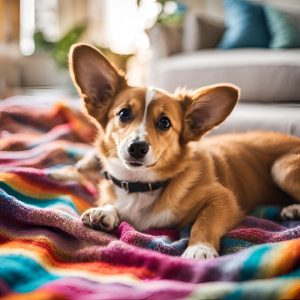
The Long-Haired Dachshund Corgi Mix
If a Dorgi inherits the long-haired coat of a Dachshund, you’re in for a particularly adorable (and slightly high-maintenance) pup. These long-haired Dachshund Corgi mixes have soft, flowing fur that needs regular brushing to prevent tangles.
Dorgi Personality: Small Dog, Big Attitude
Dorgis may be small, but their personalities are anything but. They have inherited strong traits from both of their parent breeds, making them a delightful mix of playful, affectionate, and sometimes stubborn!
Key Traits of a Corgi Doxen Mix:
Energetic & Playful: Don’t let those short legs fool you. Dorgis love to run, jump, and play. They have a ton of energy and need regular exercise.
Loyal & Affectionate: This mix will happily snuggle up with you if you’re looking for a cuddle buddy. They form strong bonds with their owners and can be very loyal.
Smart but Stubborn: Both Dachshunds and Corgis are intelligent breeds, but they can also have a stubborn streak. Training them requires patience and positive reinforcement.
Protective & Alert: Despite their small size, Dorgis make excellent watchdogs. They’ll bark to alert you of anything unusual, so be prepared for some noise!
Social but Wary of Strangers: While they love their families, Dorgis can be a bit cautious around strangers. Early socialization helps them become more confident.
Exercise Needs Of A Dachshund and Corgi Mix
Dorgis have a surprising amount of energy for their size. Aim for at least 45-60 minutes of exercise per day.
As an owner of this hybrid dog, you’ll have to stick to the following routine:
- Daily walks
- Fetch (they love chasing toys). You can choose one from our collection of Dachshund toys.
- Agility training (they may be short, but they’re quick!). I always give an advantage to use harnesses instead of collars on these dogs.
- We should not forget playtime with other dogs. Every dog needs to be socialized.
Avoid letting them jump from high places (like furniture) because their long backs can be prone to injury.
Common Health Issues in Corgi and Dachshund Mix
Dorgis are generally healthy, but like all mixed breeds, they can inherit health issues from their parent breeds. Here are some common concerns:
- Intervertebral Disc Disease (IVDD): Due to their long backs, they’re prone to spinal issues. Avoid excessive jumping and rough play.
- Hip Dysplasia: A genetic condition that can cause joint problems.
- Obesity: Watch their weight, as extra pounds can strain their joints.
- Ear Infections: The shape of their ears depends on what genes this designer dog will inherit. If you own a Dorgi with floppy ears, make sure you clean them once a week.
To keep your Dachshund and Corgi mix healthy, schedule regular vet visits and keep an eye on their weight and activity levels.
Coat Types and Color Combinations of a Corgi and Dachshund Mix
Since Dorgis are a mix of Corgis and Dachshunds, their coats can vary significantly. Depending on which parent they take after, they might have a short, sleek coat or a longer, fluffier one. Here’s a breakdown of the different coat types and color combinations you can find in a Corgi and Dachshund mix.
Coat Types of Dorgis
Dorgis typically inherit their coat type from either the Dachshund or the Corgi parent. Here are the most common variations:
1. Short-Haired Dorgi
- Inherits the smooth, short coat of a Dachshund.
- Low maintenance and easy to groom.
- Best for owners who prefer a dog with minimal shedding.
2. Medium-Length Coat Dorgi
- A mix between the Corgi’s thick coat and the Dachshund’s shorter coat.
- Requires moderate brushing to keep shedding under control.
3. Long-Haired Dachshund Corgi Mix
- Inherits the long, flowing fur of a long-haired Dachshund or a fluffy Corgi.
- Soft and wavy, with feathering on the ears, chest, and tail.
- Requires regular brushing to prevent tangles and mats.
- Extra fluffy and extra adorable!
4. Wire-Haired Dorgi
- Less common, but some Dorgis inherit the coarse, wiry fur of a wire-haired Dachshund.
- Unique scruffy look with a mustache and beard.
- Requires frequent grooming to prevent matting.

Color Combinations of Dachshund and Corgi Mix
One of the most exciting things about Dorgis is the wide variety of colors they come in. Since Corgis and Dachshunds both have diverse coat colors, Dorgis can inherit all sorts of stunning shades and patterns.
Common Dorgi Coat Colors
- Red – A warm golden or reddish tone, often found in both Corgis and Dachshunds.
- Black and Tan – A classic Dachshund color pattern with a black body and tan markings on the face, chest, and paws.
- Cream – A pale golden or almost white shade, more common in long-haired Dorgis.
- Brown/Chocolate – A rich, deep brown coat that gives a warm, earthy look.
- Fawn/Sable – A blend of brown and black, often giving the coat a shaded or ombre effect.
- Brindle – A unique striped pattern, giving the dog a “tiger-stripe” look.
- Merle – A marbled mix of colors with patches of light and dark shades (more common in Dachshunds).
Unique Markings in Corgi and Dachshund Mix
Some Dorgi dogs have special markings that add to their charm:
- White Paws or Chest – Some Dorgis inherit small white patches on their chest or paws.
- Black Mask – A darker facial mask that gives a striking contrast.
- Ticking (Freckles) – Small speckles of darker colors, common in some Dachshunds.
Is a Corgi and Dachshund Mix Good With Kids?
Yes! Dorgis are generally great with kids, but there are a few things to keep in mind.
Why Dorgis Are Good with Kids:
- Playful & Energetic: Dorgis love to play, making them a fun companion for children who enjoy running around and playing fetch.
- Affectionate & Loyal: They form strong bonds with their family and love being part of the action.
- Small but Sturdy: Unlike tiny, fragile toy breeds, Dorgis have a solid build, making them less prone to accidental injury from rough play.
- Protective Instincts: They may be small, but they have big watchdog energy! They’ll keep an eye on their tiny humans and alert you if something seems off.
Things to Consider:
- Herding Instincts: Since Corgis were originally bred to herd cattle, some Dorgis may have a habit of “herding” kids by gently nipping at their heels. This isn’t aggression—it’s instinct! However, early training can help curb this behavior.
- Stubborn Streak: Dorgis can be independent and a little headstrong, so kids need to be taught how to interact with them respectfully. Pulling on their ears or tail can result in a warning growl or snap.
- Fragile Back: Because of their long spine, Dorgis shouldn’t be handled roughly. Teach kids to pick them up properly (supporting their chest and back) and to avoid letting them jump from high places.
Best Age for Kids to Have a Dorgi
Dorgis tend to do best in homes with older children (5+ years old) who can understand how to handle a small dog properly. That said, they can also do well with younger kids if supervised.
Dorgis make wonderful family pets for households with kids—especially if the kids are taught how to interact with them properly. With proper training and socialization, they can be loving, playful, and protective companions for children of all ages.
Dorgi Care Guide
1. Dorgi Exercise Needs: Small Dog, Big Energy!
Dorgis may have short legs, but don’t let that fool you—they’ve got the energy of a much bigger dog. Both Dachshunds and Corgis were bred for active jobs (hunting and herding), so their mix needs plenty of exercise to stay happy.
Daily Walks – Aim for at least 45-60 minutes of exercise per day. A mix of walks and playtime works best.
Playtime – Dorgis love chasing balls, tug-of-war, and even agility courses.
No Excessive Jumping! – Because of their long backs, too much jumping can lead to spine problems. Use ramps or steps for furniture to keep their little backs safe.
2. Food & Nutrition: Watch That Waistline!
Dorgis LOVE food—like, really love it. Since both Dachshunds and Corgis are prone to weight gain, portion control is super important. You should avoid overfeeding it with snacks and food leftovers.
What to Feed Your Dorgi:
- High-quality kibble with real meat as the first ingredient. Do not buy cheap dog food brands because they can trigger allergies in your Dachshund and Corgi mix.
- Avoid fillers like corn, wheat, and soy.
- Consider grain-free options if your pup has allergies.
How Much to Feed:
- Puppies: 3-4 small meals a day. This will prevent them from bloating, gasses and other issues with digestion.
- Adults: 2 meals a day, with healthy treats in between. You can reward your pet with fresh fruits and veggies such as celery sticks, slices of apple, watermelon, banana, blueberries.
Foods to Avoid:
- Chocolate, grapes, onions, and anything sugary or salty.
Grooming: Keeping That Coat Fresh
Depending on their coat type, your Dorgi dog might need minimal or high-maintenance grooming.
Brushing Needs:
- Short-haired Dorgis: Brush once a week. I recommend you to use our Dachshund Dog Brush that easily removes dead hair and the ergonomic handle allows you to reach all the spots on your dog’s body.
- Medium to long-haired Dachshund Corgi mixes: Brush a few times a week to prevent tangles. You can also use dog-friendly detangling sprays to get rid of those knots and bad smell on their fut.
Other Grooming Tips:
- Trim nails every few weeks.
- Clean ears regularly to prevent infections.You can use our Dachshund Ear Cleansing Solution once a week. Pour a few drops of oil into your dog’s ear and gently massage around it. Wait for approx 30 sec and then allow you dog to shake its head. Pick up the dirt with a cotton swab or a sterile gauze.

- Bathe only when necessary to avoid stripping natural oils. To make your Dorgi’s coat look sleek and shiny, my recommendation is to check the Dachshund Shampoo and Conditioner. It’s suitable both for puppies and seniors, and thanks to the conditioner that comes in the same bottle, your dog’s coat will stay smooth and glossy.

Training & Socialization of a Corgi and Dachshund Mix: Smart but Stubborn!
Dorgis are super smart, but they can also be stubborn. Training takes patience!
- Start Early: Begin training and socialization as soon as you bring your Dorgi puppy home. Your dog should investigate the world from the moment you bring it home.
- Use Positive Reinforcement: Treats, praise, and belly rubs work better than harsh discipline. Do not try to punish your dog because it can only cause the adverse effect.
- Potty Training: Be consistent! Crate training your Dachshund and Corgi mix helps.
- Watch the Barking: Dorgis love to “talk,” so early training can help control excessive barking.
Should I Own a Dachshund and Corgi Mix? Wrapping Up
The Corgi and Dachshund mix is an affectionate, spunky, and highly entertaining designer dog. Whether they’re zooming around the house, demanding belly rubs, or showing off their herding instincts, Dorgis are full of love and personality. If you’re ready for a fun-loving, loyal pup with a little bit of silliness, the Dorgi might be your perfect match!
Read also:






 Dachshund Jackets & Coats
 Dachshund Hoodies
 Dachshund Sweaters
 Dachshund Shirts
 Dachshund Life Jackets
 Dachshund Costumes
 Dachshund Pajamas

 Dachshund Harnesses
 Dachshund Collars


 Dachshund Backpacks


