

How to Crate Train a Dachshund: A Complete Guide for Success


Bringing home a dachshund is like welcoming a tiny, feisty comedian into your life. These adorable little dogs are known for their bold personalities, big attitudes, and irresistible charm. But let’s be honest—they’re also stubborn, especially when it comes to training. One of the best ways to set your dachshund up for success is to crate-train them. Crate training a dachshund might seem daunting at first, but it’s an essential part of raising a happy, well-behaved dog.

Why To Crate Train a Dachshund?
Crate training isn’t about confinement—it’s about creating a safe, comforting space for your dachshund. These little dogs love having their own personal hideaway, and once you get them used to the crate, it becomes their happy place.
Benefits of Crate Training a Dachshund:
- Easier potty training: Dachshunds can be tricky to housebreak, but a crate helps them learn bladder control.
- Prevents destructive behavior: Keeps your dachshund from chewing on shoes, cords, or furniture when you’re not around. This can be very beneficial if your dog is still a puppy and goes through a chewing phase. So, next time you need to leave your dog home alone, just imagine how would you feel to find your favorite shoes or bed destroyed. Crate training is essential for keeping a dog calm and focused. Unlike Doxies, some dog breeds such as Belgian Malinois, simply need to be in a crate when they’re not “on duty.” They’re less likely to want a snuggly cave bed and more likely to prefer a large, open wire crate where they can keep an eye on everything.
- Reduces separation anxiety: A crate becomes a familiar, soothing space when you’re out of the house. Crates for Doxies can be especially beneficial in case a dog suffers from separation anxiety. They keep dogs calm and give them a sense of security.
- Safer travel: Crate-trained dachshunds are much calmer during car rides or overnight stays. By teaching them to have their own space of calmness, your Doxie will easier adapt to different situations and environments.

Step 1: Choosing the Right Crate for Your Dachshund
The first step is to pick a crate that suits your dachshund’s size and personality. You want it to feel cozy but not cramped. The crate should be big enough so your pooch can spread inside of it.
What to Look for in a Crate:
- Size: The crate should be large enough for your dachshund to stand, turn around, and lie down comfortably—but not so big that they can use one corner as a bathroom.
- Type: Wire crates with a divider are great for growing puppies, while soft-sided crates work well for travel. Plastic crates provide a more enclosed, den-like feel that some dogs prefer.
- Comfort: Add a soft blanket or orthopedic dog bed inside to make the crate feel like a cozy retreat. Orthopedic beds for Dachshunds are usually filled with memory foam and they give your dog the essential spine support. As we all know, Wiener dogs are prone to IVDD and spine problems, so choosing the right dog bed is important.
- Choose a quality bed for Dachshunds instead of crates. If your dog behaves well when spend time alone, then we recommend you to teach him/her that the bed represents his/her crate.
Best Dog Beds That Double as Dachshund Crates
If you want something stylish and multifunctional, there are plenty of dog beds for dachshunds that can serve as crates. These beds give your dachshund that cozy, den-like feel they love while doubling as cute, functional furniture (or just a ridiculously adorable nap spot). Here are a few recommendations:
- Banana Bed by Dachshund Space – This banana-shaped bed isn’t just cute—it’s perfect for dachshunds who love feeling snug and secure. With its soft, enclosed interior, it gives your pup the same safe, den-like space as a crate.

- Fluffy Dachshund Cave Bed – This cozy cave bed is a burrower’s dream. If your dachshund loves hiding under blankets, they’ll be obsessed with this fluffy retreat. It’s an awesome alternative to a traditional crate, especially for anxious dogs.

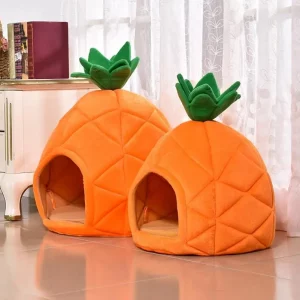
- Pineapple Dachshund House Bed – Want a bed that makes a statement? This house-shaped bed is adorable and functional. Its enclosed design makes it a great crate alternative for dachshunds who enjoy having their own private little nook.
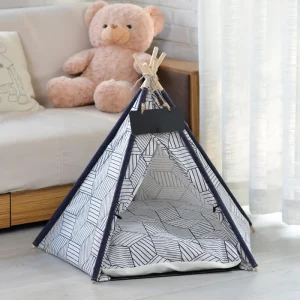
- Teepee Bed for Dachshunds – This stylish teepee bed turns your dachshund’s nap spot into a trendy centerpiece. It’s a fun, cozy space that gives them the security of a crate with a whole lot of flair.
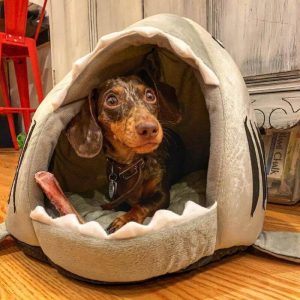
- Pup Shark Bed – Shaped like a shark, this hilarious bed lets your dachshund nap inside the belly of a sea creature. It’s not just a funny photo-op; the enclosed structure makes it perfect for dogs who crave a secure, den-like environment.
Step 2: How to Introduce Your Dachshund to the Crate
Slow and steady wins the race. Don’t rush this step, or you’ll end up with a dachshund who wants nothing to do with the crate.
1. Set Up the Crate
Place the crate in a quiet but not completely isolated spot. The living room or a bedroom corner works well. Make it cozy with soft bedding and a favorite toy or two.
2. Let Them Explore
Leave the crate door open and let your dachshund check it out on their own. Toss a few treats inside to encourage them to step in. No pressure—just let them explore at their own pace.
When I first introduced my dachshund to his crate, he was more curious than scared. I put a treat inside, and he immediately walked in, grabbed it, and walked right back out. Classic dachshund. It took a few days, but eventually, he decided the crate wasn’t so bad after all.
Step 3: Use Positive Reinforcement
When it comes to dachshunds, positive reinforcement is everything. They’re smart (sometimes too smart), and they respond much better to praise and treats than to scolding.
How to Create Positive Crate Associations:
- Treats Are Your Best Friend: Every time your dachshund goes into the crate, reward them with a treat and lots of praise.
- Feed Meals in the Crate: This helps them see the crate as a happy, safe space.
- Keep Sessions Short at First: Close the door for just a few seconds, then gradually build up to longer periods.
Step 4: Gradually Increase Crate Time
Once your dachshund is comfortable with the crate, start leaving them inside for longer periods.
- Start Small: Try closing the crate door for 30 seconds while staying in the room.
- Extend the Time: Slowly increase the time to 1 minute, then 5 minutes, then 10.
- Leave the Room: Once they’re comfortable with 10 minutes, step out of the room for a few minutes.
Don’t open the crate door while they’re whining or barking. Wait for them to be calm, then let them out. This teaches them that being calm gets rewarded. Otherwise, your Doxie with start to bark and whine every time it wants to go out from the crate.
How Long Do Dachshunds Need to Sleep?
Dachshunds are sleepy little dogs despite their feisty, naughty nature. Adult dachshunds need 12-14 hours of sleep a day. Puppies and senior dachshunds sleep even more—up to 18-20 hours a day—since their bodies are either growing fast or conserving energy. Sleep is important for dachshunds to recharge, stay healthy, and be playful.
When crating a dachshund, make sure their crate or sleeping area is comfy and cozy. Since they sleep so much, a soft bed or blanket in the crate can make all the difference. Most dachshunds like a den-like environment for sleep which is why enclosed beds like cave beds or cushioned crates are ideal.
Watch out for your dachshund’s sleeping patterns. If they seem restless or tired, it might be a sign of discomfort or an underlying health issue. If your dachshund has a regular nap routine and goes willingly to their crate for a snooze crating a dachshund has worked like a charm.
Common Crate Training Problems (and How to Solve Them)
1. Whining and Barking
It’s normal for dachshunds to protest at first. If they’re whining, ask yourself:
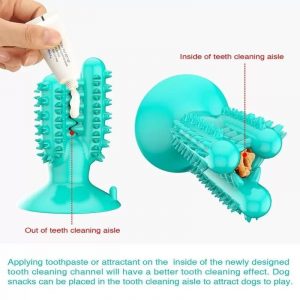
- Are they bored or lonely? Give them a puzzle toy or stuffed dog toy to keep them busy. The Bone Toothbrush Doxie Toy can be filled with peanut butter or a dog-friendly toothpaste. Thanks to the pins that are placed all around the bone, your dog will get a pleasant tooth brushing at the same time.
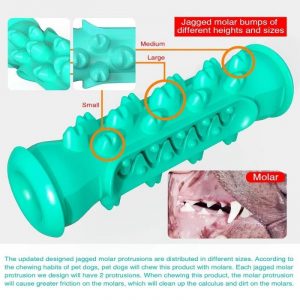
Our second recommendation is to check our Dachshund Toothbrush Chew Toy. Similar to the previous one, this one also features silicone pins that will gently clean your dog’s teeth and remove tartar and plaque. Thanks to the hole in the middle that can be filled with peanut butter, your dog will stay occupied for hours.
- Do they need a potty break? Puppies can’t hold it for very long. Take them out, then put them back in the crate. If your Doxie is still a puppy, placing a potty pad inside of the crate can be of great help.
2. Accidents in the Crate
If your dachshund is having accidents in the crate, it’s usually because:
- The crate is too big.
- They’ve been left in there too long.
- They’re not fully housebroken yet.
Solution: Use a crate divider and take them out frequently for potty breaks.
Step 5: Make the Crate Part of Your Dachshund’s Routine
Dogs thrive on routine, and dachshunds are no exception. Make the crate a normal part of their day:
- Nap Time: Encourage your dachshund to take naps in the crate.
- Nighttime: Crate training at night can help with housebreaking.
- Chill Time: Use the crate as a calm-down space when life gets chaotic.
When I first started crate training my dachshund, I was convinced it wouldn’t work. He’s stubborn, loves being with people, and hates being confined. The first few nights were rough—he barked, whined, and even tried to dig his way out. But I stuck with it, and within a week, he started seeing the crate as his own private retreat. Now, it’s his favorite spot in the house. He goes in there on his own to nap or chew on his toys.
Final Tips for Successful Crate Training
- Be Patient: Don’t rush the process. Every dachshund is different.
- Stay Consistent: Stick to a routine and follow through.
- Use Lots of Praise and Treats: Positive reinforcement works wonders.
- Avoid Using the Crate as Punishment: The crate should always be a happy place.

How To Crate Train a Dachshund: Wrapping It Up
Crate training a dachshund takes time, patience, and a sense of humor. There will be bumps along the way, but once your dachshund is fully crate-trained, you’ll wonder how you ever lived without it. Trust me, the peace of mind is worth every second.
READ ALSO: What’s The Ideal Dachshund Weight? A Weight Chart Guide






 Dachshund Jackets & Coats
 Dachshund Hoodies
 Dachshund Sweaters
 Dachshund Shirts
 Dachshund Life Jackets
 Dachshund Costumes
 Dachshund Pajamas

 Dachshund Harnesses
 Dachshund Collars


 Dachshund Backpacks


