
Why Is My Dachshund Vomiting? 7 Potential Causes

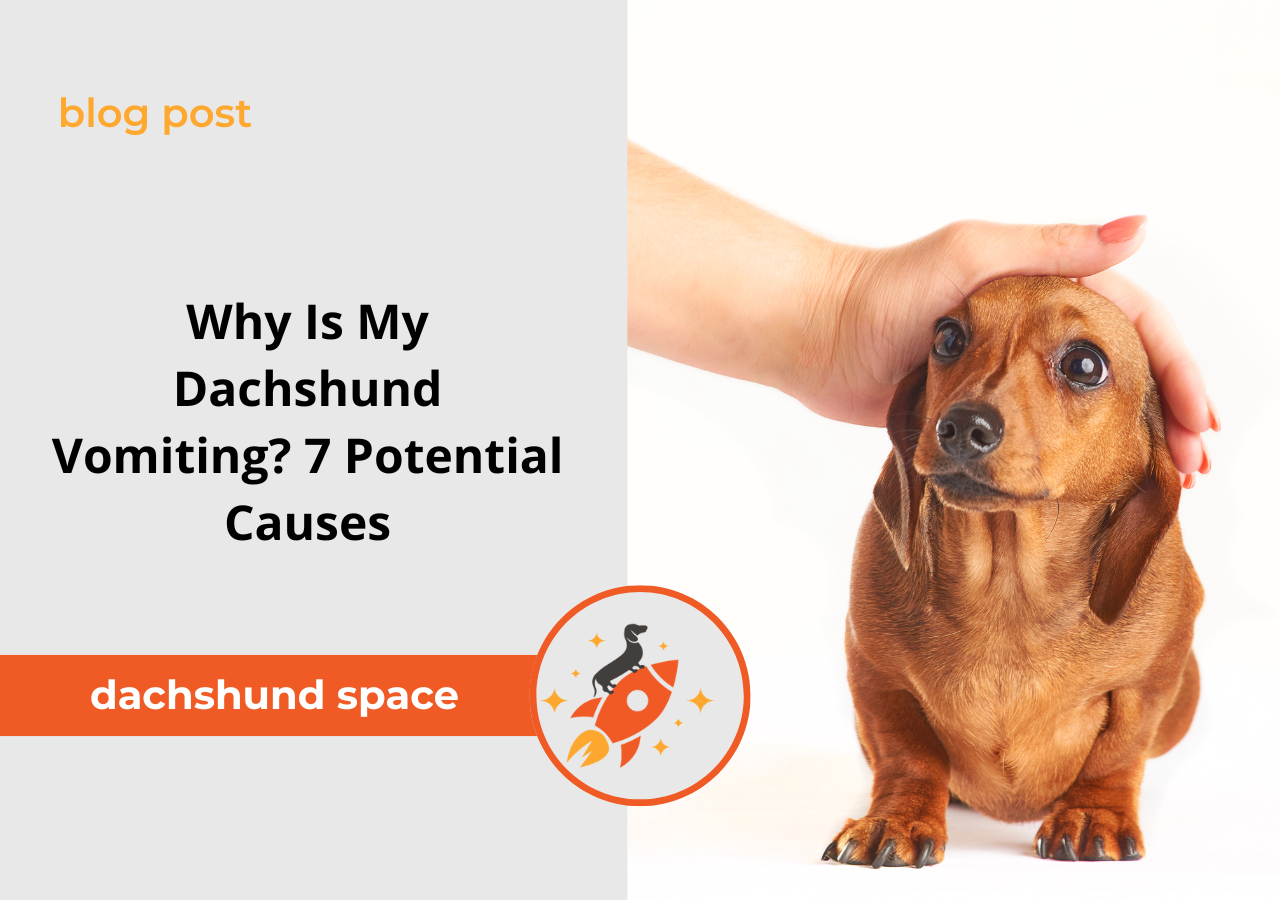
If your Dachshund is throwing up, it’s essential to figure out the cause and act accordingly. Vomiting in dogs can be caused by something as simple as eating too fast or as serious as poisoning. Since Dachshund vomiting can lead to dehydration and even more severe health issues, you need to react fast and know how to help your pet.

Common Causes of Dachshund Vomiting
There are multiple reasons why your Dachshund might be vomiting. Here are some of the most common ones:
1. Eating Too Fast
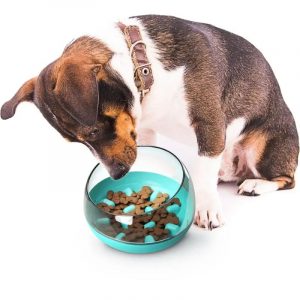
Dachshunds love food, and some of them tend to inhale their meals rather than chew. This can lead to regurgitation or vomiting right after eating. If you notice that your dog is throwing up undigested food right after meals, consider using a slow feeder bowl. Our recommendation is to check our Capsule Dachshund Bowl. It features zig-zag design inside of it which helps your dog to eat food slowly.
2. Dietary Indiscretion (Eating Something They Shouldn’t)
Dachshunds are curious and love to sniff out “forbidden” snacks. This includes garbage, spoiled food, or even things like socks and small toys. If they ingest something their stomachs can’t handle, they’ll likely vomit. Therefore, make sure you place ”forbidden items” in a safe place in your house.
3. Food Allergies or Sensitivities
Some Dachshunds have sensitive stomachs and react poorly to certain foods, especially dairy, chicken, or grains. If your dog frequently vomits after eating a particular food, it might be time to change their diet. Our recommendation is to avoid feeding your pet with dry kibble that is rich in carbohydrates because they’re a common culprit of allergies in your Dachshund.
For some dogs, a raw diet or a homemade diet will be a better option.

4. Gastrointestinal Issues (Gastritis, Pancreatitis, or Acid Reflux)
Inflammation in the stomach lining (gastritis) or pancreas (pancreatitis) can cause chronic vomiting. Symptoms include vomiting with bile, lethargy, and loss of appetite.
5. Infections and Parasites
Bacterial infections, viruses like parvovirus, or internal parasites can trigger vomiting. If your Dachshund has diarrhea along with vomiting, a vet visit is crucial.
Unfortunately, our dogs love to sniff and lick everything that comes in front of their noses. That’s why we should be careful when taking our pets to unfamiliar places and dog parks.
6. Toxic Ingestion (Poisoning)
Dachshunds are small, meaning even a tiny amount of a toxic substance can be fatal. Common household toxins include chocolate, xylitol (found in sugar-free gum), grapes, onions, and antifreeze.
You should also be careful when taking your Doxie outside in cold weather because of street salt. It’s not only poisonous but it can also harm their paw pads. Doxies love to lick their paws when there’s something on them. Therefore, our advice is to protect them with some cozy dog boots during winter months.
7. Bloat (Gastric Dilatation-Volvulus – GDV)
Though more common in larger breeds, Dachshunds can still suffer from bloat, a life-threatening condition where the stomach fills with gas and twists. If your dog is retching but not producing vomit, seek emergency help immediately.

Types of Vomit and What They Mean
Dachshund vomiting can present in different ways, and the appearance of the vomit can help determine the underlying issue. Here’s what different types of Dachshund vomiting might indicate:
- Yellow Bile Vomiting – If your Dachshund is vomiting yellow bile, it often means their stomach is empty. This type of Dachshund vomiting can be caused by acid reflux, hunger, or a minor digestive upset. Feeding smaller, more frequent meals may help. Instead of feeding your dog with one large meal, consider feeding him/her with 2 or 3 smaller ones. Even adult and senior dogs can be fed like this because Doxies are small dogs.
- Foamy White Vomit – If your Dachshund is vomiting white foam, it may be due to mild gastritis, acid reflux, or kennel cough. This type of vomiting can sometimes occur if they drink water too quickly on an empty stomach.
- Chunky Undigested Food Vomit – When your Dachshund vomits whole or partially digested food, it may mean they ate too fast, didn’t chew properly, or their stomach is rejecting the food. Slow feeder bowls can help prevent this.
- Bloody Vomit (Bright Red or Dark Coffee Grounds Appearance) – This is an emergency. Bright red blood suggests active bleeding in the stomach or throat, while dark, coffee-ground vomit indicates partially digested blood from internal bleeding. Causes may include ulcers, poisoning, or a severe gastrointestinal issue.
- Green Vomit – If your Dachshund is vomiting green liquid, this could be bile reflux or a sign that they ingested grass or a toxic plant. If vomiting continues, consult a vet.
- Mucus or Slimy Vomit – If your Dachshund is vomiting thick mucus or slime, it may indicate stomach irritation, gastritis, or parasites. This type of Dachshund vomiting should be monitored closely.
How to Determine If Your Dachshund Has a Chronic Health Problem
If your Dachshund frequently vomits, it could be a sign of an underlying chronic health issue. Regular vomiting, especially when accompanied by weight loss, lethargy, or changes in appetite, should not be ignored. To determine if there is a chronic problem, your vet may recommend the following diagnostic tests:
- Blood Tests – These help assess organ function, detect infections, and reveal potential metabolic disorders.
- Fecal Tests – Used to check for parasites, bacterial infections, or other gastrointestinal abnormalities.
- Ultrasound – Provides a detailed image of the stomach and intestines to detect abnormalities such as tumors or blockages.
- Biopsy – If a serious condition like cancer or chronic inflammatory disease is suspected, a biopsy may be necessary.
- Radiographs (X-rays) – Used to identify obstructions, tumors, or abnormal growths in the digestive tract.
- Endoscopy – A minimally invasive procedure that allows the vet to examine the inside of your dog’s digestive tract using a small camera.
If your Dachshund’s vomiting persists despite dietary adjustments and basic care, it’s essential to follow through with veterinary testing to rule out chronic illnesses and ensure your pup gets the right treatment.
What to Do If Your Dachshund Is Vomiting
1. Assess the Situation
- How often is your Dachshund vomiting? If it’s just once and they seem fine afterward, it might not be a big deal.
- Is there anything unusual in the vomit (blood, foam, foreign objects)?
- Are they also having diarrhea, lethargy, or refusing food?
2. Withhold Food Temporarily
If your Dachshund is vomiting frequently, remove food for 12 hours to let their stomach settle. Make sure they still drink water to avoid dehydration.
3. Hydration Is Key
Vomiting can quickly dehydrate a small dog like a Dachshund. Offer small amounts of water frequently. If they won’t drink, try:
- Ice cubes (licking them is easier on the stomach)
- Unflavored Pedialyte
- Bone broth (low-sodium, no onion/garlic)
4. Reintroduce Food Slowly
After 12 hours, start with bland foods that are easy on the stomach:
- Boiled chicken & rice (no seasoning, skin, or bones)
- Plain pumpkin puree (helps digestion)
- Plain scrambled eggs (lightly cooked, no butter or oil)
- Boiled sweet potatoes (gentle on digestion)
If vomiting continues even after reintroducing food, it’s time to call the vet.
When to Call the Vet
Some cases of vomiting are mild, but others require urgent medical attention. Call your vet if:
- Vomiting lasts more than 24 hours
- Your Dachshund refuses to drink water
- There’s blood in the vomit
- Your dog is lethargic or weak
- They’re also having diarrhea
- There’s suspicion of poisoning
- They’re retching but can’t vomit (a sign of bloat)
Poisonous Substances for Dachshunds
Dachshunds are small, so even a little bit of a toxic substance can be deadly. Here’s a list of common toxins:
- Chocolate (especially dark chocolate and cocoa powder)
- Xylitol (found in sugar-free gum, peanut butter, and some baked goods)
- Grapes and raisins (cause kidney failure)
- Onions and garlic (damage red blood cells)
- Macadamia nuts (toxic to dogs)
- Alcohol and caffeine (cause severe poisoning)
- Household cleaners, antifreeze, pesticides
- Certain plants (like lilies, sago palms, and aloe vera)
If you suspect poisoning, call your vet or an emergency pet poison hotline immediately. It can turn out to end up fatal in a short time.
Preventing Future Vomiting Episodes
Here are some ways to reduce the risk of vomiting in your Dachshund:
- Use a slow feeder bowl if they eat too fast.
- Avoid table scraps—stick to high-quality dog food. Sometimes, human food can lead to Dachshund vomiting.
- Keep toxic substances out of reach. Do not allow your pet to sniff and lick the garbage can in your house.
- Monitor what they chew on—Dachshunds love to nibble on things they shouldn’t.
- Stick to a consistent diet—sudden changes can upset their stomach.
- Make sure they’re hydrated, especially in hot weather. Believe it or not, an overrated Dachshund can start throwing up. this is often the symptom of heatstroke and severe dehydration.
Dachshund Vomiting: Wrapping Up
Dachshund vomiting can be concerning, but in many cases, it’s harmless and resolves on its own. However, if vomiting is frequent, severe, or accompanied by other symptoms, don’t hesitate to contact your vet. Understanding the cause, knowing what different types of vomit mean, and taking the right steps can help keep your Dachshund happy and healthy.
Read also:
What’s The Ideal Dachshund Weight? A Weight Chart Guide
How Much Should My Dachshund Eat? Feeding Chart By Age
15 Best Gifts For Dachshund Lovers To Celebrate Their Cuteness






 Dachshund Jackets & Coats
 Dachshund Hoodies
 Dachshund Sweaters
 Dachshund Shirts
 Dachshund Life Jackets
 Dachshund Costumes
 Dachshund Pajamas

 Dachshund Harnesses
 Dachshund Collars


 Dachshund Backpacks


2 thoughts on “Why Is My Dachshund Vomiting? 7 Potential Causes”