

How Much Should My Dachshund Eat? Feeding Chart By Age


Feeding your Dachshund the right amount of food is super important for their health and happiness. These little “wiener dogs” may be small, but they have big appetites – and big potential for weight gain if you’re not careful. Overfeeding can lead to obesity (a common issue in Dachshunds) which in turn can cause back problems and even shorten their lifespan by up to two years. Underfeeding isn’t good either, especially for growing puppies who need plenty of nutrients. So, how much should you feed a Dachshund?
Why Proper Feeding Matters for Dachshunds
Dachshunds are a small breed with a fast metabolism, which means they burn energy quickly. They also have small stomachs and long backs, so keeping them at a lean, healthy weight is vital. Too much weight puts strain on their spine and joints, increasing the risk of back injuries (like IVDD) and other health issues. On the flip side, not feeding enough can leave your pup malnourished or prone to low blood sugar (especially in puppies).
In short, portion control and feeding on a good schedule will help your sausage dog live a longer, healthier life. A balanced diet with the right amount of calories gives them energy to play and keeps their body in top shape. Dachshunds love food and are notorious beggars, so it’s up to us humans to be disciplined about their diet. Remember: those puppy-dog eyes will always say “I’m starving,” but stick to appropriate portions for their own good!
Miniature vs. Standard Dachshunds: A mini Dachshund weighs 11 lbs (5 kg) or less, whereas a standard can be anywhere from 16 to 32 lbs (7–15 kg) when full-grown. That’s a huge difference in body size, so naturally minis eat less. However, both types have similar nutritional needs per pound – small dogs need calorie-dense food because they have higher energy requirements per kilogram of body weight than large dogs. We’ll talk about specific portion sizes next.
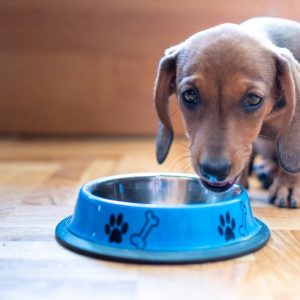
How Much to Feed a Dachshund (Portion Sizes)
Every Dachshund is a bit different in how much food they need. The exact amount depends on their size, age, and activity level. That said, we can use some general guidelines and feeding charts from experts to get a good starting point. Most adult Dachshunds will eat somewhere between 1/2 cup to 2 cups of food per day, split into two meals. Miniatures will be on the lower end of that range, standards on the higher end. Let’s break it down by weight:
- 5 lb (2.3 kg) Dachshund – About 1/2 cup of dry food per day (roughly 50–60 grams). This is typically a young mini dachshund or a very small adult.
- 10 lb (4.5 kg) Dachshund – Around 1 to 1.25 cups per day (approx 100–125 grams of kibble). Many adult minis or smaller “tweenies” fall in this range.
- 15 lb (6.8 kg) Dachshund – About 1.25 to 1.5 cups per day (125–150 grams). This might suit a smaller standard Dachshund.
- 20 lb (9 kg) Dachshund – Roughly 1.5 to 1.75 cups per day (150–175 grams). A mid-sized standard Doxie who is moderately active would fit here.
- 25 lb (11.3 kg) Dachshund – Around 1.75 to 2 cups per day (175–200 grams). A larger standard Dachshund on the active side may need close to two full cups of food daily.
If you are wondering ‘’How much should my Dachshund eat?’’, these daily portions are total for the day. Since adult Dachshunds should eat twice a day, you’d split this amount into morning and evening meals. For example, if your dog needs 1 cup a day, feed 1/2 cup in the morning and 1/2 cup in the evening.
Another way to look at it is by calories. Dachshunds generally require about 30–40 calories per pound of body weight per day to maintain a healthy weight (the lower end for older or lazier dogs, the higher end for active pups). For example, an average 20-pound adult Dachshund needs ~550 calories a day.
If your dog food has about 350 kcal per cup (check the label), that comes out to roughly 1.5 cups. A tiny 5-pound Dachshund might only need ~150–200 calories a day, while a 30-pound Dachshund might need 800+ calories. Always check your specific food’s calorie density (kilocalories per cup or per 100g) and adjust accordingly.
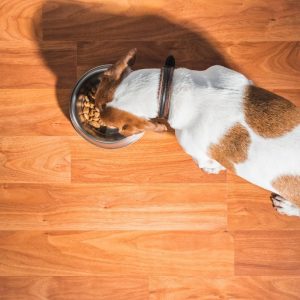
How Many Grams of Food Should a Dachshund Eat Per Day? (UK Measurements)
In the U.K. (and many other regions), dog food portions are often measured in grams rather than cups. It can be easier to weigh the food for accuracy. So, how many grams a day should you feed your Dachshund? It depends on their weight and the food’s formula, but here are some rough metric guidelines:
- 2–5 kg Dachshund: ~25–85 grams per day (very small pups on the low end, up to ~85g for a 5kg dog). For example, a 4 kg mini might eat around 70 g daily. One mini Dachshund owner reports feeding ~65–70 g per day, split into two meals.
- 5–10 kg Dachshund: ~85–140 grams per day. So an 8 kg (18 lb) Dachshund may get about 120–130 g of food daily. A 10 kg (22 lb) standard might be around 140 g on average, though active dogs could need closer to 180–200 g.
- 10–15 kg Dachshund: roughly 140–190+ grams per day. A 12 kg very active Dachshund could approach 170–180 g. If your Dachshund is one of the rare large ones near 15 kg (33 lbs), they might require around 200 g or a bit more each day (consult your vet in these cases).
Again, these gram amounts are total per day – divide by the number of meals. Keep in mind, different dog foods have different calories per gram. For instance, one Dachshund-specific dry food suggests about 85 g per day for a 5 kg dog and 140 g for a 10 kg dog.
Always start with the feeding guide on your dog food package (which often gives a range in grams for your dog’s weight) and then adjust up or down based on your Dachshund’s body condition.
If you don’t have a kitchen scale, you can convert grams to cups using the info on the food bag (often something like “1 cup = 100g”). Many UK owners find weighing kibble in grams more precise, while US owners often use measuring cups. Use whatever method helps you be consistent so you’re not accidentally overfeeding.
Dachshund Feeding Schedule: How Often to Feed
Knowing how much to feed is one part of the equation – the other is how often. Dachshunds do best on a regular feeding schedule. Here’s the scoop on meal frequency by age:
- Dachshund Puppies (Under 6 months): Feed 3 to 4 small meals per day. Puppies have tiny tummies and high energy needs, so they need to eat frequently. A common guideline: 4 meals daily up to 3-4 months old, then 3 meals daily from 4 to 6 months. For example, a 3-month-old pup might get breakfast, lunch, dinner, and a little bedtime snack. By 5 months, you could do breakfast, lunch, and dinner.
- 6–12 Months Old: You can transition from 3 meals to 2 meals per day somewhere in this period (many do around 6-8 months). Some Dachshund puppies may still do better with 3 smaller meals until closer to 8 months, especially if they’re really tiny. By 8-12 months, most Doxie pups can be on the adult schedule of two meals.
- Adult Dachshunds (1 year and up): Feed 2 meals per day – one in the morning and one in the evening. Adult Dachshunds have matured and can handle going about 8-12 hours between meals. Two meals help keep their energy levels stable and prevent them from getting too hungry (and turning into beggars or scavengers). Some owners do 3 smaller meals for adults, which is also fine if it suits your schedule – but don’t free-feed (leaving food out all day), as Dachshunds tend to overeat if given the chance!
- Senior Dachshunds: Older Doxies (8+ years) can also stick to two meals a day. Their metabolism may slow down, so watch their weight. If your senior has medical issues (like diabetes or digestive problems), your vet might recommend more frequent, smaller meals – but for a healthy senior, twice daily is usually good.
Why a regular schedule? Dachshunds thrive on routine. Feeding at the same times each day can help with house-training, prevent hypoglycemia in puppies, and keep that notorious Dachshund begging in check (they learn when to expect food). Plus, scheduled feeding makes it easier to maintain a healthy weight – you know exactly how much they’re eating.
Most importantly, avoid feeding too close to bedtime, especially large meals, to give your pup time to digest (and potty) before sleep. An evening meal a few hours before bed is ideal.
Dachshund Puppy Feeding Guide
Feeding a Dachshund puppy is a bit different from feeding an adult. These little guys are growing fast – in fact, small breed puppies like Doxies grow more quickly and have faster metabolisms than large breed puppies. Here are some puppy-specific feeding tips:
- Use a Puppy Formula: Always feed a high-quality puppy food to your Dachshund puppy (look for one specifically for puppies or “all life stages,” not an adult maintenance food). Puppy foods are higher in calories, protein, and essential nutrients to support growth. Dachshund puppies need at least 22.5% protein in their food. This ensures they get the building blocks for strong bones, muscles, and a healthy immune system.
- Portion Size for Puppies: How much a Dachshund puppy eats will increase as they grow. A tiny 8-week-old might only weigh 4–5 lbs and eat perhaps 1/2 to 3/4 cup of kibble per day (split into 4 meals). By 4 months old, the same pup might be 8–10 lbs and eating around 1 to 1.3 cups per day. For example, one feeding chart suggests a 6-8 lb Dachshund pup needs ~1 and 1/4 cups daily (~497 kcal). Always adjust portions to keep your puppy in good body condition – you should be able to feel their ribs with slight pressure, but they shouldn’t be visible. Puppies should be gaining weight steadily, so if your pup isn’t gaining or is losing weight, increase the food. If they’re gaining too fast or getting pudgy, cut back a bit.
- Frequent Meals: As noted above, pups need 3-4 meals a day. A sample schedule for a 3-month-old: breakfast at 7am, lunch at noon, dinner at 5pm, and a small supper at 9pm. By 6 months, gradually merge to 2-3 meals. Don’t feed a huge meal in one go – their stomach can’t handle it, and it might cause digestive upset. Small and often is the way to go for puppies.
- Transition to Adult Food: Dachshunds reach adulthood at around 12 months old. Around that time, you can switch from puppy food to an adult small-breed dog food. Do the switch gradually over a week or two (mixing increasing amounts of the new food in) to avoid tummy troubles. Also note, when you switch to the adult formula, the calories per cup might be lower, so the volume of food you feed can be a bit higher. Conversely, if you kept feeding puppy food beyond a year, you’d actually feed less of it as the dog matures, because puppy food is more calorie-dense. Keep an eye on your young Dachshund’s weight during the transition – it’s a common time for weight gain if owners mistakenly keep overfeeding puppy portions once the dog’s growth slows down.
Lastly, Dachshund puppies can be bottomless pits, but avoid overfeeding “to make them grow.” You want slow, steady growth, not a roly-poly pup. Extra weight can be especially harmful during puppyhood, putting stress on developing joints and spines. In fact, overfeeding is not good for any dog breed. Even owners of athletic dogs like Belgian Malinois and Rottweilers should stick to the prescribed feeding schedule. So stick to your plan and resist those pleading eyes! (We know, it’s hard.)
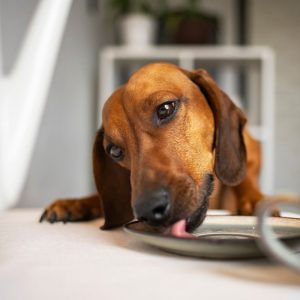
Feeding Adult Dachshunds (and Avoiding Overfeeding)
Once your Dachshund is an adult, the goal is maintenance – feed enough to keep them energized and fit, but not so much that they pack on extra pounds. Adults should eat two measured meals each day as mentioned. Here are some tips to nail the right portion:
- Base it on Ideal Weight: Figure out your Dachshund’s ideal weight (if they are at a healthy body condition now, use that; if they’re overweight, use a target weight). For standard Dachshunds, ideal might be ~20–30 lbs depending on their frame; for minis, 8–11 lbs. Feed the amount appropriate for that ideal weight, not necessarily their current weight if they need to lose/gain. For example, if your Doxie should be 18 lbs but is 20 lbs right now, feed for an 18-lb dog’s needs. “Ideal weight” can be determined with help of body condition scoring: you should just be able to feel the ribs and see a tucked-up waist. If you can’t feel ribs at all, they likely need to shed a few ounces (and eat a bit less). If ribs and backbone are sharply visible, increase the food a bit.
- Monitor Body Condition Regularly: Check your dog’s shape every few weeks. Feel along their ribcage and observe their silhouette from above and the side. Dachshunds at a healthy weight have a slight waistline and you can feel ribs without digging through fat. If you notice your pup getting a tad chunky (maybe you can’t feel the ribs as easily or a little fat roll is developing on the shoulders), cut back the food by a small amount – even 1/8 cup less per meal can make a difference over time. Conversely, if they seem too slim or are losing weight, bump up the portion slightly. Adjust as needed; feeding guidelines are not one-size-fits-all.
- Consider Activity Level: A couch-potato Dachshund that prefers snuggling under blankets will need fewer calories than an active one that goes on long walks or play sessions daily. It might be the difference of a few tenths of a cup of food. For instance, a 16–19 lb inactive Dachshund may maintain on about 395 kcal per day, whereas an active one of the same size might need 461 kcal per day. That’s roughly 15% more food for an active lifestyle. So if you start a new exercise routine with your dog, keep an eye on their weight – they might actually get more fit and a bit hungrier! On the flip side, if your Doxie has been neutered/spayed, their metabolism can decrease slightly, so sometimes food needs drop a bit after the surgery.
- Stick to a Routine: Feed the same times each day and measure the food. It’s easy to overestimate if you’re eyeballing portions. Use a measuring cup or scale. Some owners even batch out daily kibble portions into containers or bags so they don’t accidentally over-pour. This routine also helps with housebreaking and anticipating potty times, since many Dachshunds will need to relieve themselves about 20–30 minutes after a meal.

Treats and Human Foods: Do’s and Don’ts
Part of managing your Dachshund’s diet is controlling the extras – namely treats and table scraps. It’s so easy to overdo it on treats (those calories add up fast!). Here’s how to handle it:
- Limit Treats: A good rule of thumb is treats should make up no more than 10% of your dog’s daily calories. For a small Dachshund, that isn’t much – maybe a couple of small biscuit treats or a few tiny training treats per day. If you’re in a training session, break treats into pea-sized pieces. Remember to account for treats in the daily food total. For example, if you give a 20-calorie treat, shave a bit off dinner that night. It sounds stingy, but it keeps your pup’s waistline in check. You can also use part of their kibble ration as treats (they won’t know the difference if they’re food-motivated!).
- Table Scraps – Be Careful: Those puppy eyes will stare holes through you during dinner, but think twice before sharing people food. Many “human” foods are unhealthy or even toxic to dogs. Never give your Dachshund these foods:
- Chocolate, coffee, caffeine – toxic to dogs’ nervous systems.
- Grapes or raisins – can cause kidney failure.
- Onions and garlic – damage dogs’ red blood cells.
- Xylitol (artificial sweetener) – found in sugar-free gum/candy, extremely toxic.
- Alcohol or anything containing it.
- Cooked bones – they can splinter and cause internal injuries.
- High-fat leftovers (like bacon, sausage, fatty meat trimmings) – can trigger pancreatitis.
- Avocado (pit/skin) – contains a toxin called persin; small amounts of flesh are usually okay but best to avoid.
Basically, stick to dog-specific treats or vet-approved fruits/veggies (like carrot sticks or apple slices in moderation). Dachshunds have a habit of scavenging and will happily gobble anything they find, so keep dangerous foods well out of reach!
- Everyone on the Same Page: Make sure your whole family knows the feeding rules. It won’t help if you carefully measure meals but someone else slips the dog lots of extras on the side. Dachshunds are masters at mooching; they’ll make the rounds of family members for sympathy snacks. Consistency is key – perhaps designate specific times or ways to give treats so it’s controlled.
- Use Low-Calorie Alternatives: If you absolutely must indulge your pup with something additional, consider healthy low-cal options. Many Dachshunds enjoy green beans (plain, unsalted) or baby carrots, which are low in calories. You can replace a portion of their kibble with green beans if you want to fill their tummy without fattening them – a common trick for weight management.
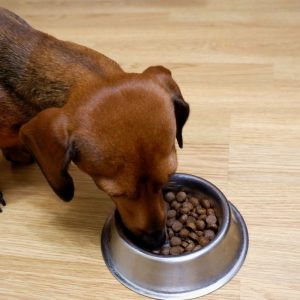
What Do Dachshunds Eat? (Choosing the Right Dog Food)
We’ve focused on “how much” and “how often,” but you might also wonder what is the best food for a Dachshund. Commercial dog food (kibble or wet food) formulated for small breeds is generally the easiest and most balanced choice. Here are some quick tips on diet composition and types:
- Dry vs. Wet Food: Dry kibble is popular because it’s convenient, easy to measure, and can help keep teeth clean due to its texture. Wet food (cans or pouches) is very palatable and higher in moisture. Both can be fine; some owners do a mix (e.g., kibble in the morning, wet food in the evening, or a spoonful of wet mixed with dry). If you feed wet, just avoid leaving it out too long since it can spoil or grow bacteria once opened. Kibble can be left out a bit longer (though Dachshunds will likely scarf it down immediately anyway!). Many Dachshunds love wet food’s taste, but keep in mind it’s often more expensive per serving.
- Avoiding “People Food” Diets: It may be tempting to cook for your dog or feed a raw diet. Be cautious – Dachshunds have adapted to commercial diets over generations, and raw diets can carry risks of parasites or bacteria for both your dog and you. If you want to do homemade, consult a veterinary nutritionist to ensure it’s balanced. Otherwise, a high-quality small breed dog food (look for one with meat as the first ingredient and AAFCO approval for your dog’s life stage) is a safe bet.
- Nutrient Needs: Dachshunds, being carnivores at heart, do best on a meat-based diet with moderate fat and low-to-moderate carbs. A typical good dog food might be around 25% protein, 15% fat for adults. Ensure it has proper vitamins/minerals – thankfully, any commercial dog food labeled “complete and balanced” will have these. Some Dachshund owners prefer grain-free or specific ingredients due to allergies, but that depends on the individual dog. There’s no one-size-fits-all “perfect” food, but there are certainly many that are great. If in doubt, ask your vet for recommendations tailored to your Doxie’s needs (for example, a weight-control formula if your pup is a bit chubby, or a joint-support formula if they have back issues, etc.).
- Feed for Life Stage: As we covered, puppies get puppy food, adults get adult food, and seniors might benefit from a senior diet (though many Dachshunds stay on a regular adult food into their senior years; just monitor their weight and health). Senior diets can have lower calories and added joint supplements, which could help if your Dachshund is less active or has arthritis.
Remember, the brand of food is less important than the results. A healthy coat, good energy, normal stools, and an excited eater are good signs your Dachshund’s diet agrees with them. If you notice any issues (like dull coat, recurrent diarrhea, or your dog seems unsatisfied even when you feed enough), it might be worth trying a different food formula.
Final Tips for a Healthy Dachshund Diet
Here are the key takeaways for feeding your Dachshund in a healthy, balanced way:
- Measure Meals: Don’t just guesstimate – use a measuring cup or scale so you know exactly how much your Doxie is eating. Consistency is crucial.
- Follow a Feeding Chart as a Starting Point: Use the guidelines from the food package or the ranges we discussed (based on weight and age) as a starting point. Then adjust to your individual dog. There is no absolute amount that every Dachshund should eat – watch your pup and let their body condition guide you.
- Feed on a Schedule: Typically twice a day for adults, 3-4 times for puppies. Routine keeps them happy and your life easier.
- Keep Your Doxie Fit: You should be able to feel ribs with a light touch and see a slight waist. If your sausage dog is looking more like a meatball, cut back on the chow. An overweight Dachshund is at high risk for back problems and other health issues. It’s much kinder to say no to those begging eyes than to let them get obese.
- Account for Treats: All those little treats and table tidbits count! Deduct treat calories from the daily allowance to avoid unintentional overfeeding. Use healthy, low-calorie treats or part of their regular food as treats when possible.
- Fresh Water Always: This goes without saying, but make sure fresh water is available at all times. Especially if feeding dry kibble, Dachshunds will need to drink regularly. Proper hydration also helps with digestion and can prevent urinary issues. Make sure you choose the right water bowl
- Consult Your Vet if Unsure: If you’re ever uncertain if your Dachshund is eating the right amount, don’t hesitate to ask your veterinarian. They can estimate your pup’s ideal weight, suggest daily calories, and even help you come up with a weight loss plan if needed.
How much water should a Dachshund puppy drink?
A healthy dachshund puppy usually needs about:
½ to 1 ounce of water per pound of body weight per day
(that’s 30–60 ml per 0.45 kg)
Example:
2 lb (0.9 kg) puppy → 30–60 ml/day
4 lb (1.8 kg) puppy → 60–120 ml/day
6 lb (2.7 kg) puppy → 90–180 ml/day
This is a daily total, not per sitting.
What affects how much they drink?
It’s normal for intake to go up or down depending on:
- Age (younger puppies drink smaller amounts more often)
- Food type. If you feed your doxie with dry kibble, then you should give him/her more water to drink. Wet food such as canned food or raw diet contain more water. If your wiener dog eats raw ingredients, then you should not be worried if it drinks less water.
- Weather & temperature. This is very important to consider if you live in a hot climate. During warmer months, make sure your dog always has fresh water to drink.
- Activity level. If you live with a busy bee, then you can expect your dog to drink more water. Active dogs go to the toilet more often, have better metabolism and drink more water.
- Teething (some puppies drink more). This phase is very painful to puppies and they tend to drink more water to ease the pain in their gums.
What’s normal vs. not normal?
Normal
- Drinking after meals or play
- Drinking more on warm days
- Small, frequent sips
Not normal (call your vet if you notice this)
- Drinking excessively and still seeming thirsty
- Very dark urine or not peeing much
- Vomiting, diarrhea, lethargy
- Suddenly drinking much less than usual
Should I limit water for a puppy?
No — never restrict water for a puppy.
What you can do:
Remove the bowl 1–2 hours before bedtime if potty training. You certainly don’t want to see your puppy/dog waking you up in the middle of the night.
Always give water right after play, meals, and naps.
How Much Should My Dachshund Eat? Wrapping Up
Feeding your Dachshund correctly is an act of love – it’s one of the best ways to take care of those long-bodied, loving companions. With the right portions and a steady routine, your Dachshund will be nourished, satisfied, and less likely to develop weight-related problems. Keep an eye on their figure and adjust as needed, and you’ll have a healthy, happy wiener dog for years to come. Bon appétit to your Doxie!
Read also:






 Dachshund Jackets & Coats
 Dachshund Hoodies
 Dachshund Sweaters
 Dachshund Shirts
 Dachshund Life Jackets
 Dachshund Costumes
 Dachshund Pajamas

 Dachshund Harnesses
 Dachshund Collars


 Dachshund Backpacks


One thought on “How Much Should My Dachshund Eat? Feeding Chart By Age”