
Dachshund Exercise Guide: Puppies, Adults, and Seniors

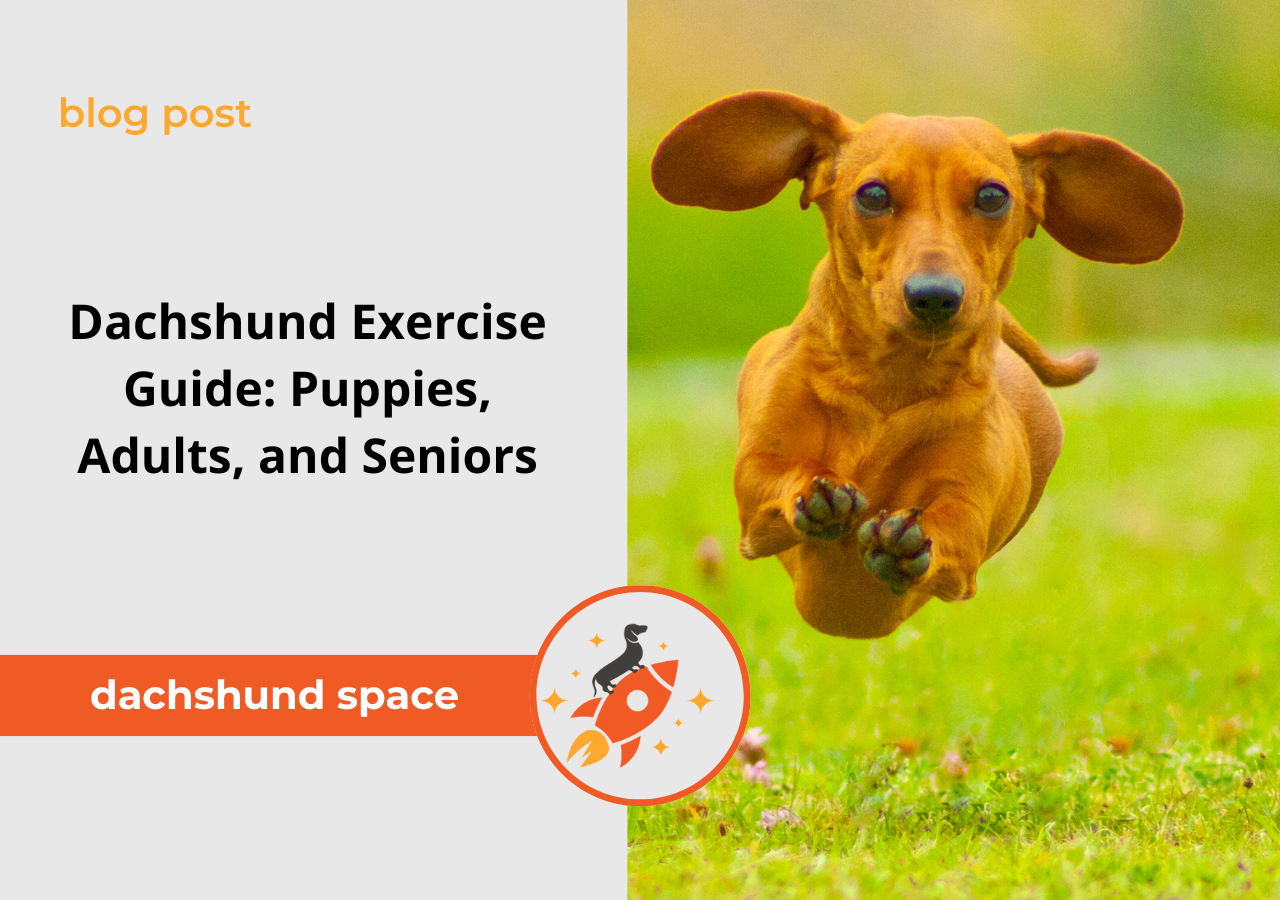
Did you know that proper dachshund exercise helps manage their weight and can prevent problems like obesity and back issues? If you’re a new dachshund owner, you might be wondering how much exercise is right for your pup. Whether they’re a bouncy puppy, an active adult, or a mellow senior, you need to know how much exercise your dachshund needs .
Our blog post will help you discover what is the right amount of exercise for your dog and will give you the best tips on how to walk your Dachshunds.
Dachshund Exercise for Puppies (0–12 Months)
Bringing home a dachshund puppy is exciting – they’re full of curiosity and bursts of energy. However, exercise for dachshund puppies needs to be gentle and age-appropriate. At this stage, walking a dachshund puppy should be done in short sessions.
A common rule of thumb is about 5 minutes of structured exercise per month of age in one session (and at most twice a day). This means if you have a 4-month-old pup, a dachshund walk of roughly 20 minutes is plenty. Young dachshunds are still growing, and too much exercise (or forced marches) can strain their developing bones and joints.
Indoor Play and Gentle Exercise for Puppies
Until your puppy is fully vaccinated (usually by 12–16 weeks), avoid public places or parks. Instead, let them romp in your home or a secure garden for exercise. Dachshund puppies can burn energy with short play sessions indoors.
Try playing fetch down a hallway with a soft toy or a small tennis ball. Engage in gentle tug-of-war with a plush rope toy (but don’t pull too hard on their mouth or let them jump excessively).
Hide-and-seek is another fun game . Hide a treat or toy and encourage your pup to sniff it out, which satisfies their natural hound instincts. These games provide both exercise and mental stimulation for your curious little doxie. Check What types of toys do Dachshunds like in case you’re searching for the right picks.

Dachshund Puppy Exercise: Outdoor Walks
Once cleared by your vet after vaccinations, you can start leash training and short walks outside. Walking a dachshund puppy should be a slow, sniff-friendly adventure. Let them explore a bit at their pace.
Aim for short walks (5–15 minutes) on safe surfaces (grass or sidewalks) around your yard or neighborhood. Be cautious of stairs or steep climbs – dachshund puppies have long backs that shouldn’t be strained by climbing or jumping from heights.
Always supervise and avoid over-exercising a puppy. They need plenty of nap time to grow!If your puppy flops down or pants heavily, it’s time to rest. It’s better to do a couple of short play sessions throughout the day than one long outing.
Sample Daily Puppy Exercise Routine:
- Morning: 5–10 minute leash walk in the yard or up and down the driveway (post-vaccination) – a simple sniff to let your pup explore smells while stretching their legs.
- Afternoon: 10 minutes of indoor play, like tossing a toy for them to chase or a brief training session (practice “sit,” “come,” etc., which exercises their mind and body).
- Evening: Another 5–10 minute gentle walk or backyard play session. You can also use this time for socialization, such as a playdate with a gentle puppy friend or supervised exploration of new sights and sounds.
Puppy Dachshund Exercise Tips:
During play, avoid any high jumps or roughhousing that could hurt your dachshund’s back. Use a soft harness for walks to protect their neck and spine (many dachshund owners prefer harnesses for this breed’s unique build).
Always end play on a positive note – a treat or cuddle – and allow your pup to rest after exercise. Remember, dachshund exercise requirements at the puppy stage are all about short bursts of activity to build strength and confidence without overdoing it.
Dachshund Exercise for Adult Dogs (1–7 Years)
Once your dachshund reaches adulthood (around 1 year old), they’ll likely be bursting with energy and ready for longer adventures. Adult dachshunds are active little dogs that generally need about 30 minutes to 1 hour of exercise per day.
This can be broken up into a couple of walks and play sessions. Most adult doxies thrive on routine: for example, a walk in the morning and another in the evening, with some playtime in between.
Regular exercise will keep your dachshund at a healthy weight (which is important to reduce stress on their long spine) and prevent boredom that can lead to mischief.
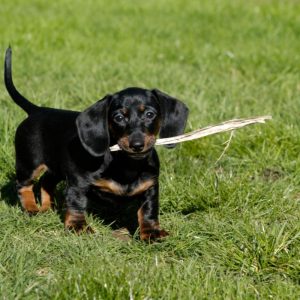
A happy adult dachshund enjoys an outdoor walk through tall grass. Many owners ask, “How far can a dachshund walk?” The answer varies by the dog’s fitness and enthusiasm.
On average, a healthy adult dachshund can walk anywhere from 2 to 5 miles in a day (split into multiple walks), which corresponds to roughly 30–60 minutes of walking. Some particularly energetic dachshunds, once conditioned, can even handle longer hikes. For example, it’s not unheard of for a fit dachshund to join their owner on a few-mile hike in the woods.
However, it’s crucial to build up distance gradually – start with shorter walks and increase over time. Always pay attention to your dachshund’s cues: if they start lagging behind, panting excessively, or refusing to go further, it’s time to head home and get some water and rest.
Adult Dachshund Exercise: Daily Walking Routine
Ideally, give your adult dachshund at least one good walk per day, if not two. A typical schedule might be a 20–30 minute morning walk around the neighborhood and another 20-minute walk in the late afternoon or evening.
Dachshunds love to sniff, so allow a few “sniff breaks” during walks – smelling the world is great mental enrichment for them. Just be sure that during the portions of the walk meant for exercise, you keep a brisk pace to get their heart rate up.
You can use a cue like “Go sniff!” to let them know it’s okay to explore, and then “Let’s go!” when it’s time to move on. This way, you strike a balance between walking a dachshund for exercise and letting them enjoy being a hound.
Outdoor Activities
In addition to leash walks, adult dachshunds often enjoy free running and play in a safely enclosed area. If you have a fenced yard, let your dachshund chase a ball or play a game of tag with you.
Many doxies also like fetch, though you should roll or gently toss the ball rather than throw it too high – remember, we want to avoid big jumps that could jar their back. You might also take your dachshund to a dog park (preferably the small dog section) to socialize and romp with other friendly dogs.
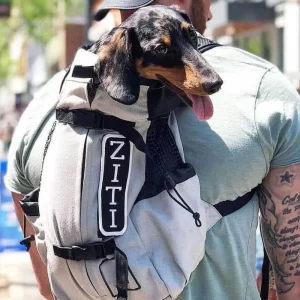
Keep an eye out, as dachshunds sometimes think they’re bigger than they are! Supervise any play with larger dogs to make sure your pup doesn’t get accidentally injured. Hiking on easy trails is another great exercise; just be mindful of very steep or rugged terrain. With their short legs, dachshunds may need a boost or to be carried over obstacles like large rocks or streams. In these situations, we recommend you to carry your Dachshund in a carrier.
Indoor Activities and Mental Dachshund Exercise
Sometimes weather or busy schedules prevent a long outdoor walk. On those days, you can tire out your dachshund with indoor fun. Play hide-and-seek by hiding treats around the house for your dachshund to find using their nose. Interactive puzzle toys that dispense kibble can keep them busy and on their feet.
A spirited game of tug with a rope toy can burn energy (always let your dachshund “win” occasionally to keep it fun). Practicing obedience training or new tricks for 10 minutes is also a form of exercise – it works their brain and their body. Mental stimulation is just as important as physical exercise for this intelligent breed, and a bored dachshund can become a destructive one. Mixing training and play keeps your adult doxie satisfied.
Sample Daily Adult Exercise Routine
- Morning: 25-minute brisk walk around the neighborhood (on-leash). Include a few minutes of sniffing time so your dachshund can investigate shrubs and lampposts – it’s like reading the “dog newspaper”!
- Afternoon: 15-minute play session in the yard or living room. This could be a game of fetch or chase, or even running through a simple obstacle course (tunnels and weave poles are fun, and low-height since dachshunds are short).
- Evening: 20-minute slower stroll around the block or some indoor nose-work games. In the evening, your dachshund might appreciate a calmer sniffing walk to wind down, or you can hide treats in a snuffle mat for them to forage.
Adult Dachshund Exercise Tips:
Consistency is key. Try to exercise your dachshund every day to keep them in shape and content. If you must skip a day, that’s okay – just resume the next day so it doesn’t become a habit.
Keep an eye on the weather! Hot pavement can hurt their paws and overheating can happen quickly since they are low to the ground, and cold weather might require a doggy sweater to keep your short-haired dachshund warm. Many dachshunds don’t love rain, so you might play indoors on very wet days. Importantly, maintain a healthy weight for your dachshund.
Extra weight puts strain on their back and joints, increasing the risk of Intervertebral Disc Disease (IVDD). Regular exercise and a proper diet will help prevent obesity. Also, protect their back during exercise – avoid activities that involve a lot of jumping or climbing (for example, don’t encourage your dachshund to leap for a frisbee or race up a bunch of stairs). Dachshunds are prone to IVDD, a spinal disc condition, but staying active in a safe way can actually reduce their risk.
Studies have found that dachshunds who get regular moderate exercise are less likely to suffer IVDD than those who are couch potatoes. So keep your doxie moving, just in a low-impact manner.
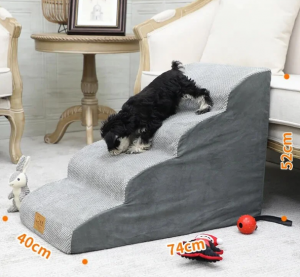
Use ramps or pet stairs at home to minimize jumping on and off furniture, and always support both ends of their body when lifting them. By exercising smartly, you’ll help your dachshund build strong muscles to support their spine while avoiding injuries.
Dachshund Exercise for Senior Dogs (7+ Years)
As your dachshund enters their senior years (around age 7 or older), their energy levels will naturally begin to slow down. An older dachshund might prefer longer naps and gentler play, but exercise is still extremely important for seniors.
Regular movement helps keep their joints from getting stiff, maintains muscle tone, and helps prevent weight gain (which can be especially harmful to a senior dachshund’s back and heart). The key is to adjust the intensity and duration of exercise to your senior dog’s comfort level. In general, think “little and often”: shorter, more frequent activity is better than one long session for an older dog.
For a healthy senior dachshund, aim for at least 30 minutes of mild exercise per day, but split into shorter walks – for example, two 15-minute walks, or three 10-minute outings. Your senior might not want to go as far as they used to. It’s okay if they only trot around the block or wander slowly in the yard. The goal is to get them moving and sniffing without overtaxing them.
Let your dachshund set the pace on walks. If they start to lag or want to stop and sniff a lot, be patient and go with it – the walk is as much about mental stimulation as physical. Many senior doxies still get excited to sniff the fire hydrants and say hello to neighbors, even if they can’t walk very fast.
Keep outings low-impact. Choose flat routes (avoid steep hills) and softer surfaces like grass or smooth trails when possible, as they are easier on aging joints.

Senior Dachshund Exercise: Outdoor and Indoor Activities
In addition to walks, give your senior dachshund opportunities to move in ways that are easy on the body. Swimming can be an excellent low-impact exercise for senior dogs if available – many older dachshunds take well to gentle swimming or canine hydrotherapy, since it lets them exercise without putting weight on their joints. (Always supervise around water and consider a doggy life vest for safety.)
Simple playtime in the yard is great too: let them mosey about at their own pace, or gently roll a ball for them to fetch over short distances. Some seniors still enjoy a bit of fetch or tug, but keep it very light.
Indoor exercise can be as basic as encouraging your dog to follow you from room to room, or using treat puzzles to motivate them to move and problem-solve.
Even a senior dog loves a good game of “find the treat under the cup” or sniffing out a hidden snack. These calm games keep them active and engaged. On days when the weather is not senior-friendly (too hot, too cold, or icy), indoor games can substitute for a walk.

Health Considerations During Dachshund Exercise
Older dachshunds often have health issues like arthritis, reduced stamina, or even some vision/hearing loss. Watch for signs of discomfort – if your dachshund limps, appears sore, or is reluctant to exercise, consult your veterinarian. They may recommend supplements or medications to help with joint pain.
It’s important to find the right balance. Too little activity can make an older dog stiffer and weaker, but too much can cause pain. Start with short sessions and see how your dachshund feels. Consistency helps. A brief walk every day is better than a long walk only on weekends.
Also, keep an eye on traction for senior doxies – on slippery floors, use rugs or yoga mats to prevent slips during play. Avoid stairs and jumping entirely if possible. Senior backs are more fragile.
You might need to carry your older pup up stairs or provide ramps for the bed or couch. We recommend you to check our Anti-slip Dachshund stairs in order to help your senior pooch.
Additionally, maintain your senior’s weight at a healthy level. Extra pounds on an older dachshund significantly increase the strain on their spine and legs. Adjust their diet if their activity level has decreased, so they’re not taking in too many calories.
Sample Daily Senior Exercise Routine:
- Morning: Easy 10-minute walk to the end of the street and back. Let your dachshund stop and sniff plenty – at this age, it’s about the experience, not distance.
- Afternoon: Casual indoor play for 5-10 minutes. This could be rolling a soft ball across the floor for them to retrieve a few times or a short session of obedience practice (even in old age, many dachshunds enjoy performing a trick or two for a treat – it keeps their brain sharp!).
- Evening: Another 10-15 minute walk or outdoor sniff in the yard. The evening stroll can be very relaxed, giving your senior dachshund time to sniff the mailbox, watch the birds, and stretch their legs one last time before bed.
Senior Dachshund Exercise Tips:
Routine is helpful for older dogs. Try to walk and play at about the same times each day – older dachshunds can get confused by a lot of change, and they will come to look forward to their daily outing.
Stick to familiar routes for walks if your dog’s eyesight or hearing is failing; knowing the way helps them feel confident and happy. Be extra mindful of weather: older dogs can get chilled or overheated more easily, so adjust the duration of outdoor time on very cold or hot days. A warm coat in winter or a shady, cool spot in summer can make a big difference.
Most importantly, listen to your senior dachshund’s needs. Some days they may be spunkier and want to trot a bit longer; other days they might give you the “I’d rather nap” face. It’s okay to have lighter exercise days – just aim to do something with them each day, even if it’s a leisurely wander around the yard.
Dachshund Exercise Routine: Conclusion
No matter the age of your dachshund – puppy, adult, or senior – exercise is the key to a happy, healthy wiener dog. By understanding your dachshund’s exercise requirements at each life stage, you can help them build strength, maintain a healthy weight, and live life to the fullest.
Remember that every dachshund is an individual. Energy levels and abilities can vary: one dachshund might happily hike for miles, while another prefers short play sessions and couch time.
Pay attention to your pup’s cues and adjust their routine as needed. The bond you build during a fun play session or a relaxing walk is just as important as the exercise itself. So grab that leash or favorite toy, and enjoy your daily dachshund exercise time together.





 Dachshund Jackets & Coats
 Dachshund Hoodies
 Dachshund Sweaters
 Dachshund Shirts
 Dachshund Life Jackets
 Dachshund Costumes
 Dachshund Pajamas

 Dachshund Harnesses
 Dachshund Collars


 Dachshund Backpacks


