
How To Stop a Dachshund From Peeing in the House? Practical Tips That Actually Help


If your Dachshund keeps peeing in the house, first of all—take a deep breath. You’re not the only one standing in the hallway wondering, “Why here? Why now? Why on my favorite rug?”
Dachshunds are smart, emotional, stubborn little sausages. They love comfort, routine, and attention, but they can also be surprisingly tricky when it comes to house training. The good news? Most pee troubles at home can be fixed with a better routine, proper cleaning, positive reinforcement, and a few clever products that make accidents less likely to happen.
Before you blame your doxie for being “naughty,” remember this: dogs don’t pee indoors out of revenge. Peeing in the house usually happens because of one of these reasons: weak potty routine, excitement, anxiety, marking, incomplete training, medical issues, or because the old pee smell is still there. If your adult Dachshund was previously house-trained and suddenly starts having accidents, a vet check is the safest first step because conditions like infections, diabetes, kidney/liver disease, or medications can increase urination.
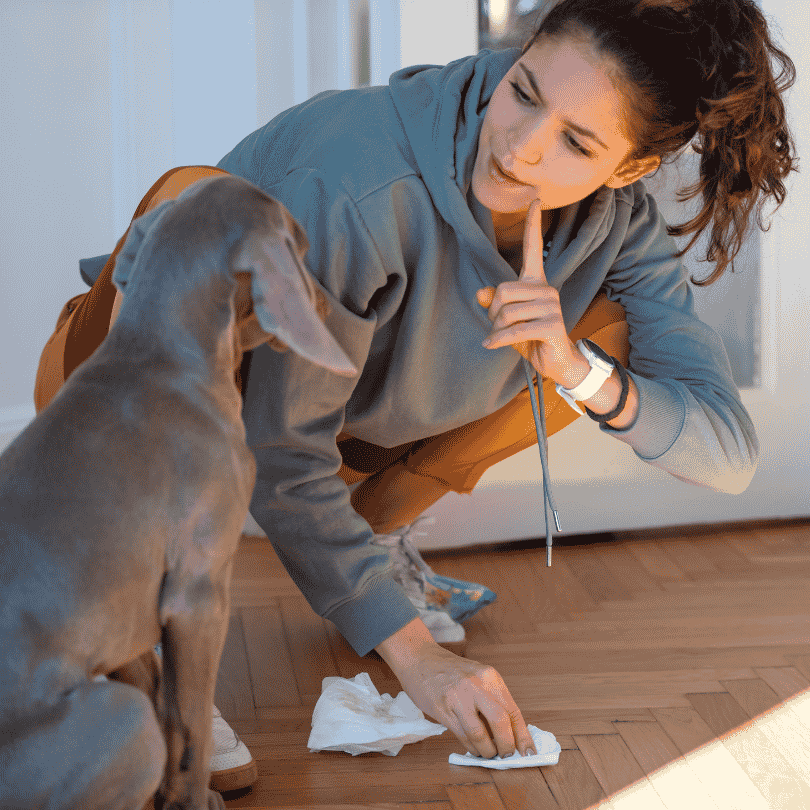
1. First, Figure Out Why Your Dachshund Is Peeing Indoors
You can’t fix the problem properly until you understand the reason behind it. Here are the most common causes:
Incomplete potty training: This is common with puppies and newly adopted adult dogs. Your doxie may simply not understand that outside is the only place to pee.
Too much freedom too soon: Many owners let their Dachshund roam the whole house before they’re reliable. That usually leads to secret puddles behind the couch.
Excitement or submissive urination: Some Dachshunds pee when greeting people, hearing visitors, or getting too excited.
Separation anxiety: Dachshunds are clingy by nature. If your dog pees only when left alone, anxiety could be the reason. You can read more about this in the guide on Separation Anxiety in Dachshunds. Many owners don’t realize that dogs can feel anxious too. They are social beings, just like us, and stressful situations can easily throw them off balance. For some dogs, it can be a sudden death of a family member, another pet from the family, fireworks, thunderstorm, or some other sudden noise.
Marking: Marking is usually a small amount of urine on furniture, curtains, walls, or corners. Both males and females can do it. This can turn into a big problem, especially if your dog starts doing it as an adult. If your dog is a senior, then you should check whether it could be a urinary tract infection or incontinence.
Medical problems: If the accidents appear suddenly, if your dog drinks more water than usual, strains to pee, has blood in the urine, or pees tiny amounts often, call your vet.
2. Go Back to a Strict Potty Schedule
When a Dachshund starts peeing indoors, the fastest way to reset the habit is to treat them like they’re not fully trained yet. That doesn’t mean your dog is “bad.” It simply means you need to make the right behavior easier and the wrong behavior harder.
Take your Dachshund outside:
- first thing in the morning
- after meals
- after drinking water
- after naps
- after playtime
- after training sessions
- before bedtime
- every 2–3 hours during the reset period
For puppies, the breaks need to be even more frequent. Their bladders are tiny, and expecting them to “hold it” too long is asking for trouble. If you have a puppy, this post can naturally link to Dachshund Puppies: Everything You Need to Know.
Pick one potty spot outside and take your dog there every time. Use the same simple cue, such as “Go potty.” Don’t talk too much, don’t turn it into playtime, and don’t let your doxie sniff the whole neighborhood for 20 minutes before doing the job.
Once they pee outside, reward immediately. Not 30 seconds later. Not when you get inside. Right there. Use a happy voice, a tiny treat, and praise. Positive reinforcement helps dogs connect outdoor peeing with good things.
3. Supervise Like a Detective
If your Dachshund is peeing in the house, freedom is not your friend—at least not yet.
For the next 2–3 weeks, your dog should be either:
- outside for a potty break
- actively supervised indoors
- resting in a crate or playpen
- attached to you with a leash indoors
- in a safe dog-proof room
This sounds strict, but it works. The goal is simple: prevent accidents before they happen. Every time your dog pees on the carpet, the habit gets stronger. That’s why it’s important to ‘’cut’’ that behavior from the start. Every time they pee outside and get rewarded, the correct habit gets stronger. Using treats and toys is very important in teaching your Wiener dog wanted behavior. If you’re not sure whether your dog wants to go to the toilet, then watch for signs:
- sudden sniffing
- circling
- walking toward corners
- leaving the room quietly
- scratching the door
- restlessness
- standing near rugs or furniture legs
When you see those signs, don’t wait. Take your doxie out immediately.
4. Use Crate Training the Right Way
A crate can be one of the best tools for stopping indoor accidents, but only if used kindly. It should never be a punishment. It should feel like a cozy bedroom.
I remember when my friend used to yell at and punish his dog whenever she peed in the house. Well, you can probably guess how that turned out. The dog didn’t stop peeing indoors, and she became afraid every time she saw her owner approaching her.
Most dogs don’t like peeing where they sleep, so a properly sized crate can help them learn bladder control. The crate should be big enough for your Dachshund to stand, turn around, and lie down comfortably—but not so huge that they can pee in one corner and sleep in another.
If your pooch doesn’t have good toilet manners, then I recommend you read this blog: How to Crate Train a Dachshund.
For extra comfort, place a soft, washable bed inside or near the crate. A cozy option such as the Hot Dog Dach Bed can help your Dachshund feel safe and relaxed, especially if anxiety is part of the problem.

5. Clean Old Pee Spots Properly
This part is huge. If your Dachshund can still smell old urine, that spot becomes a toilet sign.
A regular floor cleaner may smell clean to you, but your dog’s nose is much stronger. Use an enzymatic cleaner made for pet urine. These cleaners break down urine odor instead of just covering it. VCA notes that products made to remove pet urine stains and odors are more effective than general household cleaners, and removing residual odor is important because pets may return to the same spot.
Avoid ammonia-based cleaners. Urine contains ammonia-like smells, so using ammonia may accidentally make the area more attractive to your dog.
After cleaning, block the area for a while. Put a chair, basket, baby gate, or washable mat over the spot. The less your dog can rehearse the habit, the faster you’ll break it.
6. Try Natural Deterrents, But Use Them Safely
Natural solutions can help, but they are not magic. They work best after proper cleaning and training.
Here are safer options:
White vinegar and water spray: Mix equal parts white vinegar and water and spray lightly on washable surfaces after the urine has been cleaned. Always patch-test first. Do not use vinegar on marble, natural stone, or delicate wood.
Citrus scent: Some dogs dislike citrus smells. You can place lemon or orange peels near problem areas where your dog cannot eat them. Don’t rub citrus oils on the floor or spray essential oils around your dog.
Pet-safe deterrent spray: Choose a dog-safe indoor deterrent spray and test it on a small surface first.
Block access naturally: Sometimes the best “deterrent” is simple: close the door, use a baby gate, roll up the rug temporarily, or keep your Dachshund on a leash indoors.
Avoid harsh scents, bleach, essential oils, pepper, or anything that could irritate your dog’s nose, paws, skin, or stomach.
7. Stop Anxiety-Based Peeing With Calm Routines
If your Dachshund pees when you leave the house, the issue may be anxiety, not potty training. Many dogs feel afraid of staying home alone. That’s why you need to think about this condition as one of the possibilities.
Start by making departures boring. Don’t create a dramatic goodbye. Give your dog a potty break before leaving, then offer a safe activity.
Great options from our Dachshund Space brand include:
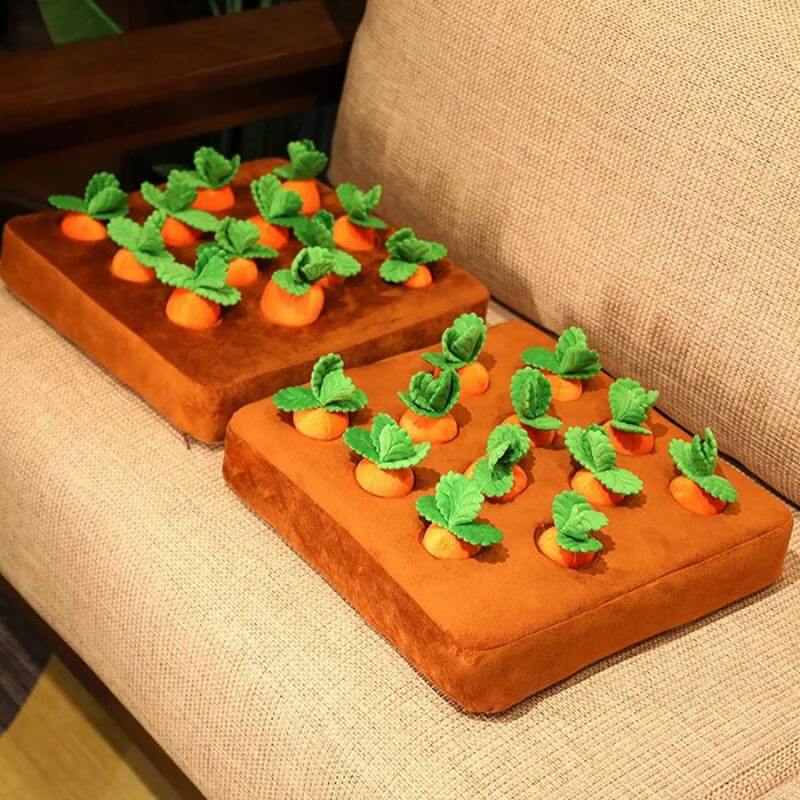
These toys can keep your doxie’s brain busy and redirect nervous energy. Mental stimulation is especially helpful for Dachshunds because boredom and anxiety often turn into unwanted behaviors.
8. Make Potty Walks Easy and Quick
Some Dachshunds avoid peeing outside because they hate cold weather, rain, wet grass, or uncomfortable gear. Very dramatic? Yes. Very Dachshund? Also yes.
Use a comfortable harness and leash so quick potty breaks don’t become a wrestling match.
Using the appropriate harness is very important because they need to give your dog enough freedom and comfort. Check these three from our Dachshund Space collection:
- Plaid Doxie Harness — great for daily walks and potty breaks
- Colorful Dachshund Space Harness — adjustable, secure, and easy for routine outings
- Dachshund Reflective Harness & Leash — useful for early morning or late-night potty breaks
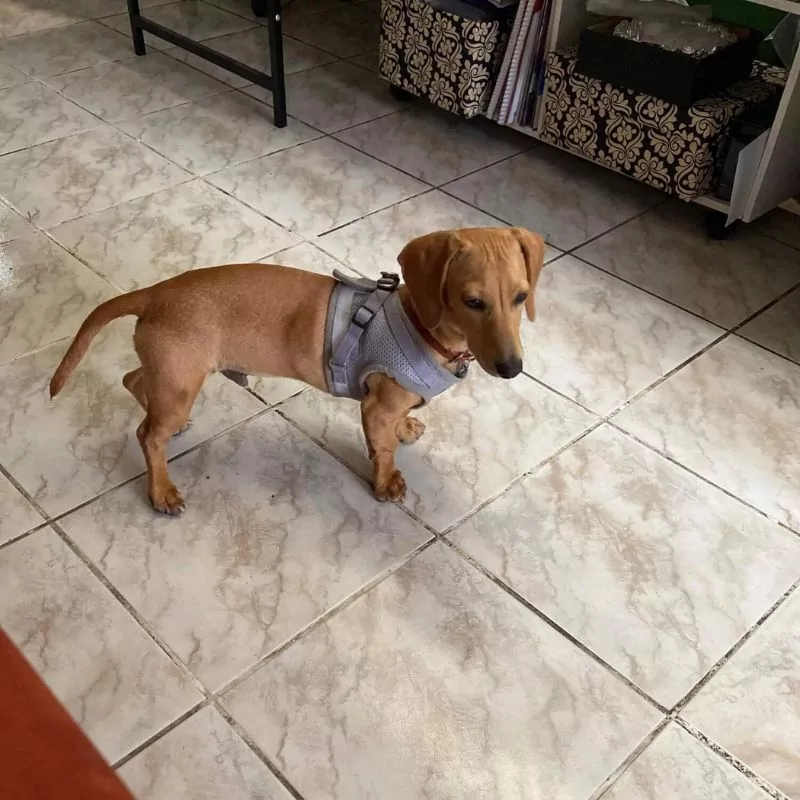
If your dog refuses to pee in bad weather, don’t give up after two minutes. Stand quietly in the potty spot, use your cue, and reward when they finally go. The goal is to show your dog that outside potty happens in all seasons, not only when the grass feels perfect.
9. Don’t Punish Accidents
Never rub your Dachshund’s nose in pee. Don’t yell. Don’t chase them. Don’t act scary.
Punishment can make dogs hide when they need to go, which creates even more secret accidents. Humane World also notes that punishment can increase anxiety and make dogs less likely to show clear potty cues.
If you catch your dog mid-pee, calmly interrupt with a soft “oops” and take them outside. If they finish outside, reward. If you find the accident later, just clean it. Your dog won’t understand punishment after the fact.
10. Use Belly Bands or Pee Pads Carefully
For male Dachshunds who mark indoors, a belly band can be useful short-term. It protects your furniture while you work on training. But don’t treat it as the whole solution. It’s a management tool, not a cure.
Pee pads can help puppies, seniors, apartment dogs, or dogs with limited mobility. But if your goal is outdoor potty only, use pads carefully because some dogs start thinking all soft surfaces are toilets.
FAQ: How To Stop a Dachshund From Peeing in the House
Why does my Dachshund keep peeing in the house?
Your Dachshund may be peeing indoors because of incomplete potty training, anxiety, marking behavior, too much freedom in the house, or a medical issue. If your doxie suddenly starts having accidents after being fully trained, it’s best to visit the vet first to rule out urinary tract infections, bladder problems, diabetes, or other health concerns.
Are Dachshunds hard to potty train?
Dachshunds can be a little more challenging to potty train than some other breeds because they are stubborn, independent, and sometimes very sensitive to weather. Many doxies don’t enjoy going outside when it’s cold, rainy, or windy. However, with a strict routine, positive reinforcement, and patience, they can absolutely learn where they should pee.
How often should I take my Dachshund outside to pee?
During the training or reset period, take your Dachshund outside first thing in the morning, after meals, after naps, after playtime, before bedtime, and every 2–3 hours during the day. Puppies need even more frequent potty breaks because they have smaller bladders and less control.
How do I stop my Dachshund from peeing on the same spot?
Clean the area with an enzymatic pet urine cleaner. Regular household cleaners may remove the stain for your eyes, but your dog may still smell the urine and return to the same spot. After cleaning, block access to that area for a while with a baby gate, furniture, or a closed door.
Can vinegar stop my Dachshund from peeing indoors?
White vinegar mixed with water can help reduce odors and make certain spots less attractive to dogs. However, it should be used only after properly cleaning the pee spot. Always test it on a small area first, and avoid using vinegar on natural stone, delicate wood, or surfaces that can be damaged by acidity.
Should I punish my Dachshund for peeing in the house?
No. Punishment can make the problem worse because your dog may become scared and start hiding when they need to pee. Instead, calmly interrupt accidents if you catch them in the moment, take your dog outside, and reward them when they pee in the right place.
Can separation anxiety cause my Dachshund to pee indoors?
Yes. Dachshunds are very attached to their owners, and some may pee indoors when left alone because they feel anxious. If your dog only has accidents when you’re away, work on creating a calm leaving routine, use interactive toys, and consider crate training or a safe dog-proof area.
Are pee pads good for Dachshunds?
Pee pads can be helpful for puppies, senior dogs, apartment living, or dogs with mobility issues. However, if your goal is to teach your Dachshund to pee outside only, pads should be used carefully. Some dogs may get confused and start peeing on rugs, bath mats, or other soft surfaces.
How long does it take to stop a Dachshund from peeing in the house?
It depends on the dog’s age, history, and the reason behind the accidents. Some Dachshunds improve within a few weeks when the routine is consistent. Others, especially rescue dogs, anxious dogs, or dogs with long-term habits, may need more time. The key is to prevent accidents, reward outdoor potty breaks, and stay consistent every day.
What products can help with Dachshund pee troubles at home?
Helpful products include enzymatic urine cleaners, washable dog beds, cozy crates, indoor gates, belly bands for male marking, interactive toys for anxiety, and comfortable harnesses for quick outdoor potty breaks. Products such as Dachshund IQ toys, feeding toys, and secure harnesses can help reduce boredom, anxiety, and resistance to going outside.




 Dachshund Jackets & Coats
 Dachshund Hoodies
 Dachshund Sweaters
 Dachshund Shirts
 Dachshund Life Jackets
 Dachshund Costumes
 Dachshund Pajamas

 Dachshund Harnesses
 Dachshund Collars


 Dachshund Backpacks


