

Do Dachshunds Snore? When It Should Become Alarming?


Ever been startled by the loud snores coming from your little Dachshund? You’re not alone! Dachshunds can snore, and sometimes it’s surprisingly noisy for such a small dog. Many Doxie owners find their pups sawing logs at night – often it’s normal, just like humans snoring during deep sleep. In this post, we’ll explore do all Dachshunds snore? Which dog breeds are the biggest snorers? Should you worry about your wiener dog’s snoring? And most importantly, what can you do to help your snoring Dachshund sleep more quietly?
Do All Dachshunds Snore?
Not every Dachshund is a snorer, but a lot of them do enjoy a good snore. Some Dachshunds sleep silently, while others might sound like a tiny freight train at night. Each dog is an individual. Factors like their anatomy and sleeping habits play a role – for instance, a Dachshund with an elongated soft palate or a narrower-than-average airway might snore more often. Generally, mild snoring is pretty common in relaxed Dachshunds and usually isn’t a sign of anything wrong. In fact, many owners see it as a sign that their pup is totally content and in a deep sleep (adorable, right?).
Dachshunds aren’t short-nosed (brachycephalic) dogs like Pugs or Bulldogs, so they’re not among the worst snorers. However, their long-bodied physique and how they sleep can still lead to some snore-worthy moments.
For example, if your Dachshund loves sleeping flat on his back, his tongue or soft palate might partially block his airway and cause those funny snore sounds. Also, if a Dachshund is overweight or has any nasal congestion, snoring can be more pronounced. Doxies can also snore if the air is too dry in your home. Therefore, adding an air humidifier can help sometimes.
So no, not all Dachshunds snore – but don’t be surprised if yours does. It’s usually normal for the breed and nothing to panic about.

Which Dog Breed Snores the Most?
Dachshunds might snore occasionally, but they’re far from the top snorers in the dog world. The real heavyweight snorers are typically the flat-faced breeds. Think of English Bulldogs, Pugs, French Bulldogs, Shih Tzus, Boston Terriers – those cute squishy faces come with narrow airways that tend to produce loud snores.
In fact, the English Bulldog is often cited as the champion of dog snoring. They are perhaps the most accomplished snorers of all, which puts them at the very top of the list of breeds that snore the most. Bulldogs’ short noses, stenotic (narrow) nostrils, and chunky necks mean they can sound like a chainsaw at night. So while your Dachshund’s snoring might occasionally sound loud to you, just remember – it could be louder! Compared to a Bulldog or a Pug’s symphony of snores, a Dachshund is usually pretty mild.
Should I Be Worried if My Wiener Dog Snores?
In most cases, an occasional snore from your Wiener dog isn’t cause for alarm. Snoring by itself is usually harmless – it often just means your pup is in a deep, relaxed sleep.
Many dogs (and people!) snore a little. That said, it’s smart to pay attention to the way your Dachshund is snoring and any changes in the pattern. If your dog has always been a quiet sleeper and suddenly starts snoring a lot, or if the snoring becomes very loud and frequent, it might be time to investigate further.
A new onset of heavy snoring could indicate something in their airway has changed or is irritated.
You should also watch for other signs of potential problems. For example, if your Dachshund’s snoring comes with labored breathing, snorting awake, nasal discharge, coughing, or if they seem overly tired during the day, those could be red flags. Loud, chronic snoring can sometimes point to issues like an airway obstruction, excess weight around the neck, allergies, or other respiratory problems.
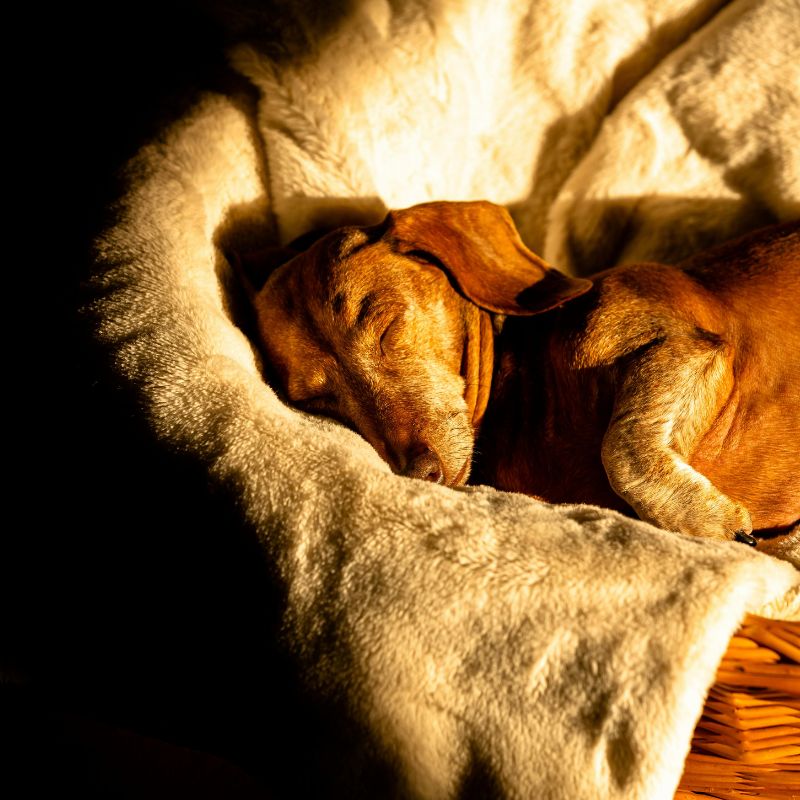
Obesity is a common culprit – extra fat in the throat can narrow a dog’s airway and make snoring worse. An elongated soft palate (common in some breeds, and possibly in some Dachshunds) or other anatomical quirks can contribute too.
The good news is that if your doxie is just a normal snorer – meaning they snore but are otherwise happy, active, eating well, and not showing illness – you likely don’t need to worry.
You can mention it at your next vet visit, but occasional snoring in a Dachshund usually just means they’re super relaxed. However, if you’re ever in doubt or something doesn’t seem right (say, the snoring sounds like gasping or your pup seems uncomfortable), trust your instincts and check with a veterinarian. It’s always okay to ask the vet, “Hey, my wiener dog sounds like a lumberjack at night – is this normal?” They can help rule out any issues and put your mind at ease.
How to Help Your Dachshund Stop Snoring (Tips and Tricks)
If your Dachshund’s snoring is frequent or rattling the walls (and interrupting your sleep!), there are several ways to help reduce the noise. You might not eliminate the snores entirely – some dogs are just snory little critters – but you can definitely make it better. Here are some practical tips to help your snoring Dachshund (and the rest of the household) sleep more peacefully:
Watch Their Weight
Keep your Dachshund at a healthy weight. Even a couple extra pounds can put pressure on their airway. Excess fat around the neck and throat narrows the breathing passages, making snoring more likely. If your doxie is a bit on the chubby side, helping them slim down will often quiet the snoring. A fit, trim Dachshund has less tissue blocking their airway at night, so managing diet and giving them regular exercise can make a big difference.
Improve the Sleeping Position
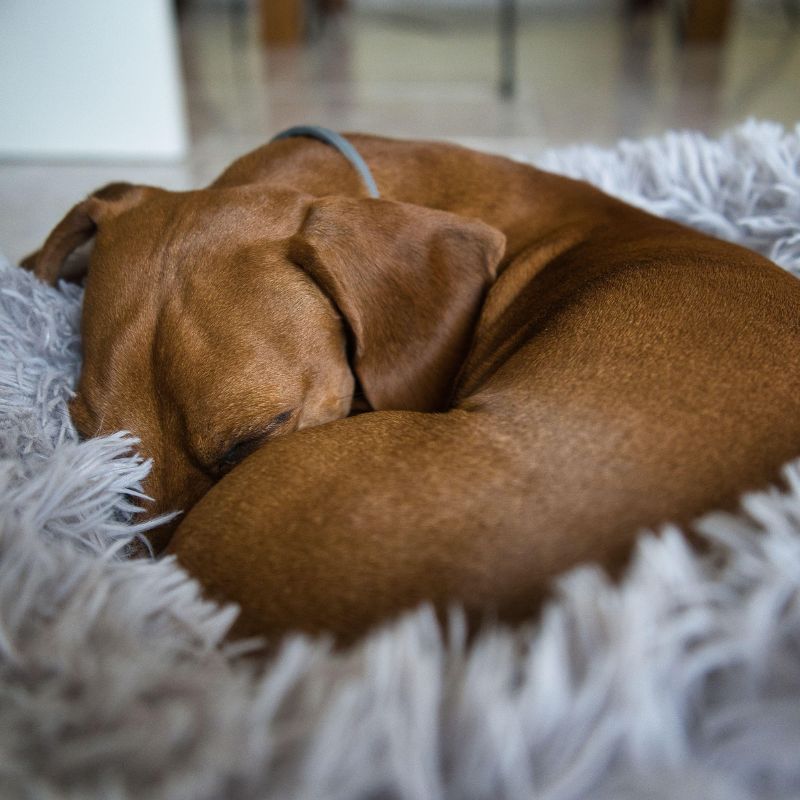
Dachshunds who sleep on their backs tend to snore more, because gravity can let the tongue or soft palate fall back. Encourage your pup to sleep on their side or tummy. You can gently reposition them when they’re snoring on their back, or provide a bed that naturally promotes side-sleeping. For example, a round or donut-shaped bed with raised sides can coax a dog into curling up on their side (and those raised edges act like a pillow). By keeping your Dachshund’s airway more open, a side-sleeping posture can cut down the snore sounds.

Use an Elevated or Orthopedic Dog Bed
Consider upgrading your dog’s bed to something that offers better support for airflow. Beds that elevate your dog’s head slightly or support their neck can help reduce snoring. An orthopedic foam bed or a bolster bed (one with pillow-like edges) can keep your Dachshund’s body aligned and neck straight, so there’s less obstruction in the throat.
For example, our shop offers special beds made for Dachshunds. Their Fur Baby Bed has elevated edges – perfect for a doxie to rest their head on the side comfortably. This kind of design gives your pup a built-in pillow and can help keep the airway open. A comfy, supportive bed = a quieter night’s sleep for everyone.

Keep Bedding Clean and Allergen-Free
Just like us, dogs can snore more if their nose is stuffed up or irritated. Allergens such as dust, pollen, or pet dander might inflame your Dachshund’s airways and contribute to snoring.
To combat this, wash your dog’s bedding regularly (ideally every week) and vacuum around their sleeping area to get rid of dust bunnies. Consider using an air purifier in the bedroom to filter out irritants. Also, avoid smoking near your pet. Secondhand smoke can irritate their respiratory tract and worsen snoring. A clean, fresh sleeping environment will help your pup breathe easier at night.
Use a Humidifier at Night
Dry air can cause a dry throat and nasal passages, which might make snoring worse. If you live in a dry climate or run the heater/AC a lot, try adding some humidity to the air. A humidifier in the room where your Dachshund sleeps can keep the air moist and soothe their airways.
This is especially helpful in winter when indoor air gets very dry. No humidifier on hand? Even placing a bowl of water in the room can add a bit of moisture to the air as it evaporates (old-school trick!). The goal is to prevent your dog’s throat and nose from getting too dry, so the snoring vibrations are lessened.
Avoid Big Meals (and Lots of Water) Right Before Bed
A full stomach can push against your dog’s diaphragm and make snoring worse. It can also make them sleep in a more awkward position. Try feeding your Dachshund dinner a few hours before bedtime, rather than right before.
Experts actually recommend having the last meal at least 2-3 hours before sleep to reduce the chances of bloating and discomfort at night. If a dog goes to bed too bloated, they may be more likely to snore or even end up sleeping on their back (which, as we discussed, isn’t ideal for snoring). So, stick to an earlier feeding schedule and limit any heavy midnight snacks.
Likewise, don’t let them guzzle a ton of water right before bed – a reasonable drink is fine, but you don’t want them chugging so much that they’re bloated (or needing to pee at 3 AM!). A bit of planning with meals can help your doxie (and you) sleep more quietly through the night.
Exercise and Play Daily
A tired dog is a good dog – and often a quieter sleeping dog. Regular exercise will help keep your Dachshund at a healthy weight and improve their overall muscle tone. Stronger throat muscles and a fit body can actually reduce snoring, since there’s less excess tissue to flop around and block the airway.
Even moderate daily exercise (like a nice walk, some fetch, or playtime in the yard) can make a difference. Plus, exercise will help your pup sleep more deeply. Just be mindful not to exercise them right before bedtime (too much excitement can be counterproductive). A well-exercised, healthy Doxie is more likely to snooze soundly with minimal snoring.
Talk to Your Vet if Needed
If you’ve tried all the home remedies and your Dachshund is still rattling the rafters every night, it might be time to consult your veterinarian. Occasionally, chronic snoring can be due to something that needs medical attention – like nasal polyps, an elongated soft palate that might require a minor surgery, or even sleep apnea in rare cases.
Your vet can examine your dog to rule out any underlying conditions (such as respiratory infections or anatomical abnormalities) and recommend treatments if necessary. For example, if allergies are a factor, the vet might prescribe an antihistamine. In more serious cases (which are uncommon for Dachshunds), surgical procedures can remove obstructions or correct issues to improve airflow. If your gut tells you the snoring is too much or your pup seems unwell, a vet visit is a good idea. It’s always better to be safe and ensure your wiener dog is healthy and comfortable.






 Dachshund Jackets & Coats
 Dachshund Hoodies
 Dachshund Sweaters
 Dachshund Shirts
 Dachshund Life Jackets
 Dachshund Costumes
 Dachshund Pajamas

 Dachshund Harnesses
 Dachshund Collars


 Dachshund Backpacks


