
What Is A Tweenie Dachshund? Top 7 Things To Know About Them


Does the name Tweenie Dachshund sound like a character from a children’s book? You might be imaging a dachshund wearing a teeny tiny sweater, strutting down the street with an air of confidence that says, “I’m not a small fry, but I’m not quite the big cheese either.” Well, if you’ve ever been caught in the rabbit hole of dog breeds, particularly dachshunds, you’ve come to the right place. A Tweenie Dachshund becomes extremely popular among dog owners. That’s why we decided to provide you with the important facts about this type of Doxie.
The Dachshund Dichotomy: Mini, Standard, Rabbit, and the Tweenie In-Betweenie
First things first, let’s set the stage with a bit of context. Dachshunds, affectionately known as ‘doxies’ by those who adore them, are notorious for their long bodies and short legs, giving them the endearing nickname of “wiener dogs.” Traditionally, these puppies come in two sizes: Standard, Rabbit, and Miniature.
The Standard Dachshund puppy, the original blueprint, is like the wise elder of the family, carrying the genes and the girth that make it a formidable badger hunter, as it was originally bred to be.
The Miniature Dachshund puppy, on the other hand, is the Standard’s pint-sized cousin, small enough to fit in your bag but with a personality big enough to run the show.
Probably the cutest version of this breed is the rabbit Dachshund. This type of a Doxie puppy is the smallest one and is otherwise known as the teacup or a Kaninchen Dachshund.
What is A Tweenie Dachshund?
And, here it comes the Tweenie Dachshund. This isn’t an official AKC (American Kennel Club) classification, but rather a term of endearment (or confusion, depending on who you ask) for those doxies that fall somewhere in the weight limbo between the Mini and Standard sized dogs. They’re not too big, not too small, but just right — if Goldilocks were choosing a dachshund, she’d probably pick a Tweenie dog.
Tweenie Dachshunds
Tweenie dachshunds are the dachshunds with all the charm and quirks but just the right size.
Body
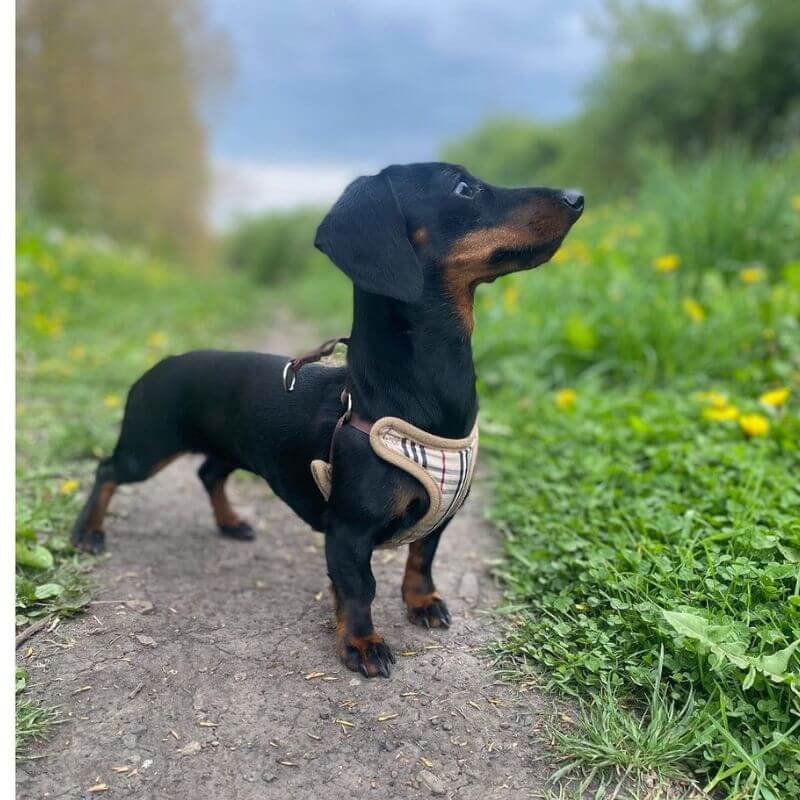
Tweenie dachshund dogs have the classic long and low body of a dachshund. Their long backs and short stumpy legs are just adorable and iconic. While it’s cute, it’s also a reminder of their original purpose as burrowers and hunters. Their body is sturdy not too fragile like a mini but not as big as a standard.
Coat
Whether you like smooth and sleek, fluffy and flowy, or rugged and wiry, the tweenie dachshund dogs have you covered. These come in three coat types:
-
Smooth-coated: Sleek and shiny, low maintenance when it comes to grooming.
-
Long-haired: Luxurious soft and flowing coats that make them look almost royal. For owners who don’t mind a little extra brushing.
-
Wire-haired: Spunky rough textured coat that comes with an adorable beard.
Colors
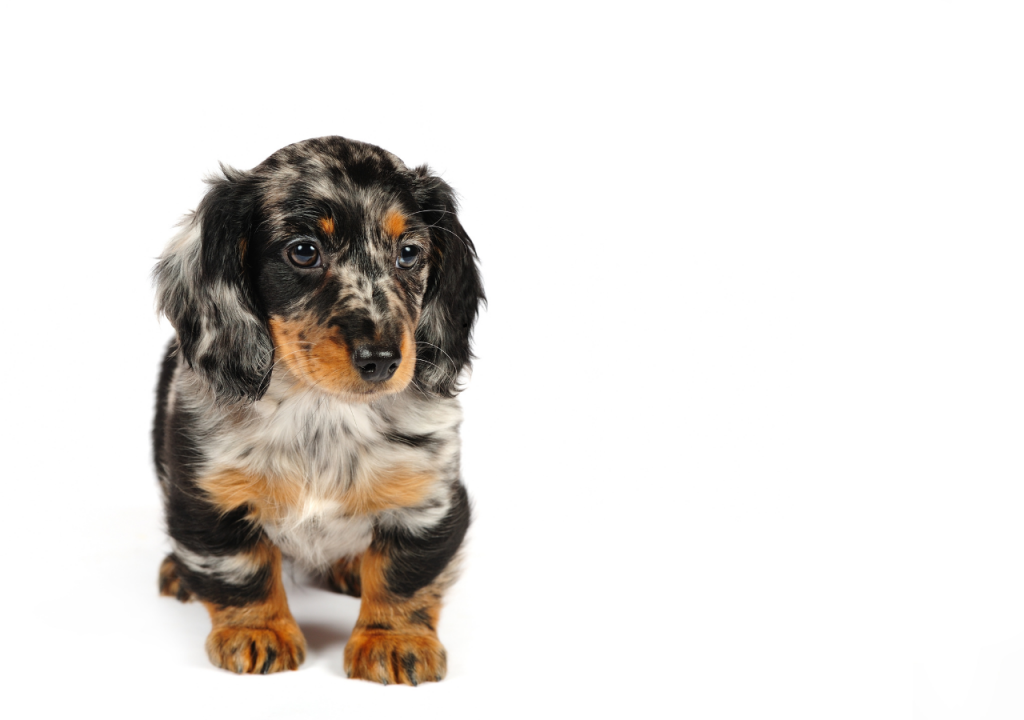
When it comes to colors tweenie dachshunds really shine. These puppies come in many shades and patterns to suit every dog lover. Popular colors are black and tan, chocolate, red, and cream. If you want something extra special, look for dapple patterns that create a mottled look or brindle coats with tiger-like stripes. Tweenie puppies can come in so many different coat colors and the most popular ones are definitely red and cream.
Temperament
Tweenie dachshunds have big personalities in a medium size body. They are lively, playful and sometimes a little mischievous but that’s part of the charm! They form deep bonds with their owners and love to be the center of attention. Tweenies are also super smart which makes them quick learners but don’t be surprised if they show their stubborn side. It’s all part of their “I do what I want” dachshund attitude. If your dog constantly shows this behavior, make sure you continue showing him who’s the pack leader and boss in the house. Every dog owner should set these boundaries from the moment you bring it home.

How Much Does a Tweenie Dachshund Weigh?
When we talk about tweenie Dachshund size and weight, it depends on the dog’s lifestyle and diet.
However, the Miniature Dachshund usually tips the scales at under 11 pounds, according to the AKC. The Standard Dachshund, meanwhile, can weigh anywhere from 16 to 32 pounds. This leaves a curious gap for those dachshunds that weigh between 12 and 15 pounds, hence the term “Tweenie.”
We also have to mention the rabbit Dachshund, otherwise known as Kaninchen. That type of Doxie is the smallest of all Dachshunds that usually weigh under 9 pounds.
Lifespan of a Tweenie Dachshund
Tweenie Doxies lives between 12 to 15 years. However, some Doxies can even live longer if you properly take care of them. Factors like diet, care and overall health leave a great impact on your tweenie pup.
| Dachshund Type | Weight Range |
| Miniature | Under 11 pounds |
| Tweenie | 12-15 pounds |
| Standard | 16-32 pounds |
| Feature | Tweenie Dachshund | Standard Dachshund |
| Weight Range | 12-15 pounds | 16-32 pounds |
| Purpose | Companion, possibly agility | Hunting, agility |
| Lifestyle Fit | Great for various homes, including apartments and houses with small yards | Best for more active lifestyles, needs more space |
| Adaptability | High – Good balance of size and energy | Moderate – Requires more space and exercise |
The Tweenie’s weight gives it a versatility that’s quite appealing. They’re like the Goldilocks of the dachshund world: not too big, not too small, but just right for a variety of owners and living situations. Plus, their size might offer a slight health advantage, potentially lowering the risk of back problems common to the breed, although, as always, genetics and care play significant roles here.
The Perks of Being a Tweenie
So, why would anyone be specifically on the hunt for a Tweenie Dachshund? Well, for starters, they offer a “best of both worlds” scenario. They’re sturdy and robust like the Standards but not so large that they lose the cute, manageable size that makes Minis so appealing. Tweenies have the potential to be great companions for various activities, including cuddle sessions on the couch and more adventurous endeavors that might be a tad too ambitious for their smaller counterparts.
Potential Health Problems in a Tweenie Dachshund
Talking about dachshunds without mentioning their infamous back issues would be like discussing peanut butter without jelly — it just doesn’t make sense. If you’re ready to bring a tweenie into your life, then you have to be prepared for the potential health issues.
Back Issues: The Not-So-Fun Roller Coaster
First up, the biggie: back problems. Dachshunds are famous for their long bodies and short legs, making them look like adorable hot dogs. But, with that unique build comes a bit of a downside – potential back issues, like Intervertebral Disc Disease (IVDD). It’s like their spines are sometimes more drama queen than sturdy backbone.
Treatment: Think of managing IVDD as keeping a diva happy. It involves rest (lots of it), possibly some medications for pain and inflammation, and in more serious cases, surgery. And, like preparing for a diva’s performance, prevention is key—keep your tweenie fit, not chubby, and discourage them from acting like an acrobat.
Obesity: The Weighty Issue
Next on the list is obesity. Yes, dachshunds can put on weight faster than a tourist in Italy. And with extra pounds come extra problems, like stress on their already drama-prone backs.
Treatment: This one’s all about balance, like a diet guru would say. Keep their diet healthy and measure those portions. Also, exercise is crucial—think of it as their daily gym session, minus the gym and the sweaty equipment.
Dental Problems: The Tooth About It
Teeth issues are another thing. These pups can have dental problems that make you want to say, “Ah, give me a break!” From tartar buildup to gum disease, their mouths can be a battleground.
Treatment: Brush their teeth regularly, and keep up with dental checkups. Think of it as spa day, but for their mouth.
Diabetes: Sweet, But Not So Sweet
Diabetes can sneak up on these little guys, especially if they’ve been living the high life with too many treats or have packed on the pounds.
Treatment:
It involves monitoring their diet closely, regular vet visits for blood sugar checks, and possibly insulin injections. Basically, it’s like having a tiny, furry roommate with a very strict diet plan.
Epilepsy: The Brain’s Unexpected Journey
Some tweenies might experience epilepsy, which is as unpredictable and unwanted as a pop quiz in math class.
Treatment:
Managing epilepsy can involve medication to control seizures. It’s a bit like keeping a wild spirit in check—challenging but doable with the right approach.
Progressive Retinal Atrophy (PRA): A Fading View
PRA can affect these little ones, too, leading to vision loss. It’s a sneaky condition, creeping up like that friend who always scares you for fun.
Treatment: There’s no cure, but keeping their environment safe and consistent helps them navigate the world as their sight dims. It’s all about being their seeing-eye human.
The best way to keep your tweenie dachshund in tip-top shape is through regular vet visits, a good diet, plenty of exercises, and loads of love. They might have their quirks, but with a bit of care and attention, you can help them live a long, happy, and healthy life.
Heart Disease in Senior Tweenies
Heart disease is a big problem for many dachshunds as they age and tweenie dachshunds are no exception. They’re full of energy and enthusiasm in their younger years but you need to be on top of their heart health as they get older. Here’s what you need to know to keep your tweenie dachshund’s heart beating strong.
Types of Heart Disease in Tweenie Dachshunds
The most common form of heart disease in dachshunds, including tweenies, is mitral valve disease (MVD). This is when the mitral valve in the heart wears out over time and blood flow becomes inefficient and the heart gets strained. The other potential issue is dilated cardiomyopathy (DCM) where the heart becomes enlarged and weak though it’s less common in dachshunds than other breeds.
Treatment Options:
Treating heart disease in tweenie dachshunds is a combination of meds like ACE inhibitors, diuretics and Pimobendan to help the heart and manage symptoms. Low sodium diet and supplements like omega-3’s can help the heart, weight management and low impact exercise is key. Regular vet checks including X-rays and echocardiograms to monitor and adjust as needed. In advanced cases pacemaker implantation or palliative care may be necessary to make them comfortable. Early detection, consistent care and lifestyle changes can make a big difference in their quality of life

The Not-So-Standard Standard: Finding Your Tweenie
If you’re now thinking, “Yes, a Tweenie dachshund is the dog for me,” you might be wondering where to find one. Because Tweenies aren’t an official classification, it’s more about finding a dachshund that happens to fall into that weight range rather than seeking out a specific “breed.”
Adoption from shelters or rescue groups could surprise you with a Tweenie. Alternatively, discussing your preference with a reputable breeder could also lead you to your ideal pup. Remember, health and temperament are far more important than size, so focus on finding a healthy, happy dog that suits your lifestyle.
Can Two Miniature Dachshunds Produce Tweenie Dachshund Puppies?
Yes, two mini dachshunds can have tweenie dachshund puppies but it depends on the parents genetics. Size of a dachshund is influenced by a combination of genetics and environmental factors such as nutrition during growth.
Here’s how it works:
-
Genetic Variation: Even within the mini dachshund category, individual dogs may carry genes for a slightly larger size. If both parents have these genes, their puppies can grow into the tweenie range (12-15 pounds) even if they are classified as miniatures.
-
Overlapping Size Ranges: The size categories for dachshunds are not set in stone. Miniatures typically weigh up to 11 pounds but there’s some natural variation especially if the puppies are well-fed or if one or both parents are on the larger side of the miniature spectrum.
-
Unintentional Tweenie Breeding: Some breeders may not strictly control for size when breeding dogs and end up with puppies that fall between the miniature and standard categories.
While two miniatures can have tweenie puppies, breeders looking for a specific size will choose their parent dogs carefully to avoid such variations. If you’re getting a puppy from two miniatures and you’re looking for a specific size, be sure to ask the breeder about the size of previous litters and any genetic tendencies in the lineage.
Is a Tweenie Dachshund the Right Pick For You?
While the Tweenie Dachshund might sound like a mythical creature of the dog world, they’re as real as the love and laughter they bring into the lives of those lucky enough to call them family. Whether you want to own a miniature, rabbit or a tweenie Dachshund, one thing is for sure. Each type of this breed will bring joy and plenty of love into your life.





 Dachshund Jackets & Coats
 Dachshund Hoodies
 Dachshund Sweaters
 Dachshund Shirts
 Dachshund Life Jackets
 Dachshund Costumes
 Dachshund Pajamas

 Dachshund Harnesses
 Dachshund Collars


 Dachshund Backpacks


2 thoughts on “What Is A Tweenie Dachshund? Top 7 Things To Know About Them”