

Why Does My Dachshund Smell So Bad? 4 Reasons To Know


Why does my dachshund smell so bad? These little guys are playful and super affectionate, but let’s be real—sometimes they come with some seriously funky odors that just won’t go away! Some dachshunds emit mild smells from their natural body oils, but smells resembling Fritos, fish, or popcorn can be linked to bacterial or yeast overgrowth, anal gland issues, or diet.
Besides, dachshunds’ long bodies and droopy ears provide spaces where moisture and debris accumulate. They create the perfect environment for infections that contribute to bad odor. This guide helps pinpoint the root cause of these smells and provides actionable advice for reducing them.

Are All Dachshunds Naturally Smelly?
No, not all dachshunds are naturally smelly. However, their unique anatomy—particularly their long, low-to-the-ground bodies and wrinkled skin folds—makes them more prone to smells compared to other breeds. While all dogs have natural oils that keep their skin and coat healthy, dachshunds tend to produce these oils more actively, which can sometimes result in a slightly musky odor.
Moreover, hounds and scent-based dogs, like dachshunds, are known to have a stronger natural odor due to their skin’s oil composition. These oils help their coat resist dirt, but when not washed regularly, they can contribute to a “doggy smell.” While regular grooming can reduce these odors, neglecting care can amplify the smell over time.
Differences in Body Oils Between Breeds
Dachshunds tend to have more active oil glands compared to breeds with a double coat (like Siberian huskies) or low-maintenance breeds (like poodles). The oiliness of their skin, combined with exposure to dirt during walks, makes them more prone to emitting odors if not groomed properly. Short-haired dachshunds may develop oily skin quicker than long-haired varieties, but long-haired dachshunds may trap dirt and moisture more easily, increasing the chance of infections if left unchecked.
Why Do Dachshunds Smell Like Fritos?
Explanation of the “Corn Chip” Smell
The infamous “Frito feet” smell is a common complaint among many dog owners, particularly dachshund owners. This smell resembles corn chips or popcorn and usually originates from a combination of natural yeast and bacteria on the skin, especially on the paws. This smell is generally harmless but can become overwhelming if it signals an overgrowth of yeast.
Paws, being in frequent contact with dirt, moisture, and sweat, provide an ideal breeding ground for microorganisms. Dogs sweat through their paw pads, and this moisture, when combined with bacteria, releases the distinctive corn chip-like odor.
Yeast Buildup on Paws and Skin
Yeast is naturally present on your dachshund’s skin, but when conditions are right—like in warm, damp environments—it can multiply quickly. Dogs that lick their paws excessively or have allergies may encourage yeast (malassezia) buildup, amplifying the odor.
- How to Prevent Frito Feet:
- Clean your dachshund’s paws with pet-safe wipes after walks.
- Use antifungal paw sprays or shampoos designed to target yeast.
- Make sure to keep the paws dry to prevent moisture from lingering.

Dachshund Smells Like Fish: What’s Causing It?
Possible Anal Gland Issues
If your dachshund smells like fish, the problem might lie with its anal glands. Dogs have two small glands near their anus that secrete a fluid during bowel movements. If these glands become impacted or infected, they release a strong, fishy odor. This is a common problem in smaller breeds like dachshunds. In severe cases, blocked anal glands may cause discomfort, leading to scooting or licking of the rear area.
Identifying Infections and Discharge
An infection in the anal glands can produce a persistent fishy odor, along with visible signs like redness or swelling around the anus. You may also notice your dog scooting on the floor or constantly licking the area to relieve discomfort. If left untreated, infected glands can rupture, requiring immediate veterinary attention.
- Solution:
- A vet can manually express the glands or prescribe antibiotics if an infection is present.
- In chronic cases, regular gland expression may be necessary to prevent future problems.
My Dachshund Smells Like Popcorn: Harmless or Concerning?
Normal vs Abnormal Smells
The smell of popcorn coming from your dachshund is usually harmless. This odor can result from the natural bacteria and oils on the skin, particularly when your dog is warm or has been sweating. However, if the smell becomes more intense or is accompanied by other signs like itching, redness, or excessive licking, it may indicate a developing bacterial or yeast infection.
The Role of Bacteria and Sweat
Dachshunds, like all dogs, have sweat glands in their paws and armpits. When the natural bacteria on their skin interact with sweat, it can produce smells reminiscent of popcorn or corn chips. While mild odors are normal, strong smells may suggest an imbalance in your dog’s skin microbiome.
- Preventive Measures:
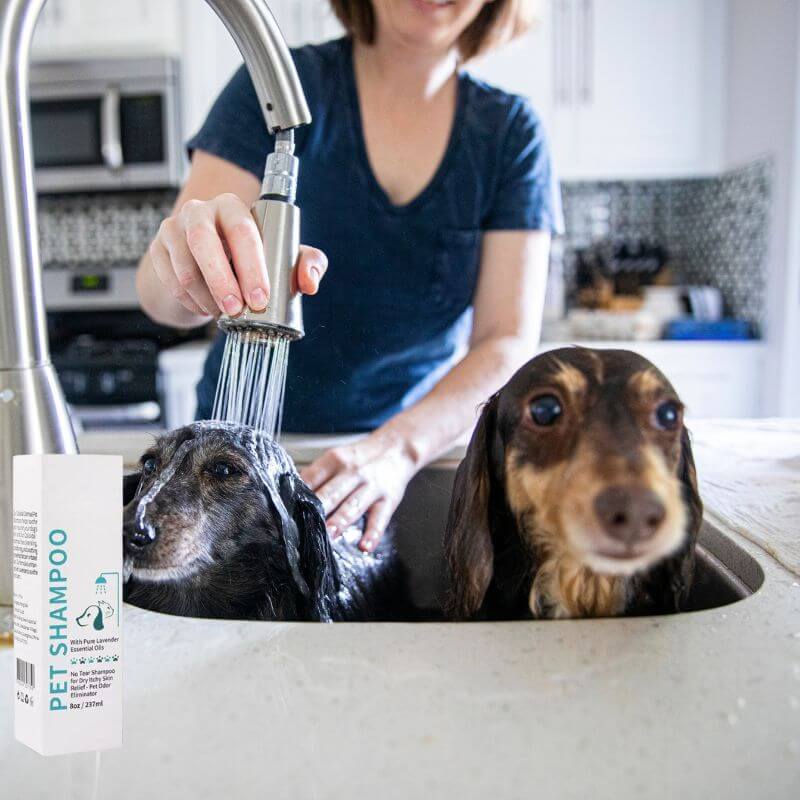
- Regular baths using antibacterial dog shampoos can reduce bacterial buildup.
- Dry your dachshund’s skin thoroughly after baths or walks to prevent moisture accumulation.
Common Reasons for a Bad Dachshund Smell
1. Skin Infections
Dachshunds are prone to bacterial and yeast infections on their skin, particularly in areas where moisture accumulates, such as skin folds and under their legs. Allergies or scratching can exacerbate these infections, leading to redness, irritation, and an unpleasant odor. Regular cleaning and the use of medicated shampoos can help prevent infections.
2. Dental Issues
Bad breath is a frequent concern among dachshund owners. Tartar buildup, gum infections, and decayed teeth are common in small breeds, and if left untreated, these dental issues can lead to serious health problems. Regular brushing with dog toothpaste and providing dental chews can help manage this. If the odor persists, a professional dental cleaning may be necessary.
3. Ear Infections
Dachshunds have floppy ears, which can trap moisture and debris, making them prone to fungal and bacterial infections. A foul smell coming from the ears, along with head shaking or scratching, often indicates an infection. Regular ear cleaning with vet-approved solutions can help prevent odor-related ear issues. Besides Dachs, Spaniels are also prone to ear infections.
4. Poor Grooming Habits
Without consistent grooming, dirt, oil, and sweat can accumulate on your dachshund’s skin, causing a musty smell. Regular baths—every 4 to 6 weeks—along with ear cleaning, nail trimming, and brushing are essential for keeping odors at bay. Ensure your dachshund’s fur and paws are completely dry after baths to prevent bacterial growth.
Why Does My Dachshund’s Breath Smell So Bad?
If you’ve ever caught a whiff of your dachshund’s breath and thought, “Why does my dachshund smell so bad?”—especially from their mouth—you’re not alone! Many dachshund owners deal with this issue, and the cause usually comes down to dental problems or diet. Bad breath (also known as halitosis) isn’t just unpleasant—it’s often a sign that something’s wrong inside your dog’s mouth or digestive system.
Dental Diseases: Tartar Buildup and Gum Infections
One of the biggest culprits behind stinky breath is tartar buildup. Like humans, dogs need regular dental care. If plaque isn’t removed, it hardens into tartar, which traps bacteria and leads to gum infections. These infections cause inflamed gums (gingivitis) and give off a rotten smell. If ignored, dental issues can escalate to periodontal disease, causing loose teeth and even more intense odors.
- How to Prevent Bad Breath:
- Brush your dachshund’s teeth with dog-safe toothpaste regularly (never use human toothpaste!).
- Provide dental chews or toys designed to reduce plaque buildup.
- Schedule annual dental cleanings with your vet.
Impact of Diet on Breath
What your dachshund eats can also play a huge role in their breath. Low-quality dog food, treats, or table scraps can lead to digestive issues that creep into your dog’s breath. Diets that are high in carbohydrates or fillers may promote bacterial overgrowth, causing that unpleasant smell.
On the other hand, grain-free diets or high-protein, high-fat foods can sometimes cause “fishy” or sour breath. If your dachshund’s food is causing bad breath, it’s worth switching to higher-quality food or consulting your vet to explore other options.
Bad Smell After Bath: Why It Happens
You just gave your dachshund a bath, expecting them to smell fresh and clean—so why does your dog still stink? Worse yet, why do they smell even worse after a bath? This common issue often boils down to residual moisture or incomplete drying, both of which create the perfect environment for bacteria to grow.
Residual Moisture Causing Odor
Dachshunds have thick fur, especially the long-haired variety, which can trap water after a bath. Even if they look dry on the surface, moisture hiding near their skin can lead to a musty or “wet dog” smell. If the moisture sticks around too long, it allows bacteria to thrive, making your dog smell even worse.
- Solution:
- Use a towel to thoroughly dry your dog, focusing on areas like their armpits, belly, and behind the ears.
- For long-haired dachshunds, use a blow dryer on low heat to ensure all moisture is gone.
Incomplete Drying and Bacterial Growth
If your dachshund’s skin stays damp, yeast or bacteria can multiply, which is a common source of bad odors. This is especially true if your dog already has skin allergies or folds that trap moisture. In these cases, regular baths combined with thorough drying are crucial to preventing smelly bacteria buildup.
Seasonal Allergies and Their Role in Odor Issues
Dachshunds, like many dogs, are prone to seasonal allergies, and these allergies can do more than make your dog itchy—they can also lead to some serious odor problems. If your dachshund’s scratching and licking have you wondering, “Why does my dachshund smell so bad?”, the answer might lie in their allergic reactions.
How Itching and Scratching Increase Odor
When your dachshund suffers from allergies, they’re likely to scratch or lick themselves excessively. This can lead to open sores or irritated skin, which creates the ideal environment for bacteria and yeast overgrowth. In addition, the constant licking leaves saliva on the skin, which can emit a sour, musty smell as it dries.
You may notice these odors getting worse during the spring and fall, when pollen and other allergens are in full swing. Dogs with seasonal allergies might also develop yeast infections in areas they lick or scratch frequently, like between their toes or under their legs.
- Preventive Tips:
- Use allergy-friendly shampoos to soothe itchy skin.
- Wipe your dachshund’s paws after walks to reduce pollen exposure.
- Consult your vet about antihistamines or allergy treatments if symptoms persist.
Seasonal Yeast Infections
Another common issue tied to allergies is yeast infections. Yeast loves warm, moist environments, and if your dog is licking their paws or scratching themselves due to allergies, it can create the perfect breeding ground. If your dachshund smells like Fritos, yeast may be the culprit. Besides Doxies, English bulldogs, Boxers, and French bulldogs are on a higher tendency to suffer from this condition due to their folds. That’s why it’s very important to bathe these dogs regularly with a medical shampoo that treats malassezia.
Diet and Its Impact on Your Dachshund’s Smell
Your dachshund’s diet has a direct impact on how they smell—whether it’s their skin, breath, or even their body odor. If you’re wondering, “Why does my dachshund smell so bad?”, take a close look at what’s in their food bowl. Poor nutrition or imbalanced diets can lead to smelly skin, breath, and gastrointestinal issues, making it essential to feed your dachshund high-quality food.
Foods That Affect Odor
Certain foods can make your dog smell worse. Low-quality kibble packed with fillers and grains can promote yeast overgrowth, leading to that “corn chip” smell. Similarly, dogs that eat table scraps or highly processed treats may develop bad breath or flatulence that lingers.
On the other hand, diets high in fish-based protein may result in a fishy odor—if your dachshund smells like fish, their diet could be playing a part. While fish-based foods are great for dogs with sensitive skin, they can cause body odor if not balanced properly with other nutrients. Therefore, you need to feed your canine with a complete diet that will suit its stomach and skin.
Benefits of a Balanced Diet
Feeding your dachshund a balanced, high-quality diet can help reduce many odor problems. Look for dog foods that contain:
- Omega-3 fatty acids for healthy skin and coat (helps prevent excessive oil buildup). They leave a positive effect on your furry friend.
- Grain-free or limited ingredient formulas to reduce the chance of yeast infections.
- Dental chews or treats that promote better oral hygiene and fight bad breath.
Switching to better food might not deliver instant results, but over time, you’ll notice a healthier coat, fresher breath, and fewer odor issues overall. Consult your vet to ensure your dachshund’s diet is appropriate for their needs, especially if they have allergies or sensitive skin.
Solutions and Home Remedies to Control Odor
If you’re asking yourself, “Why does my dachshund smell so bad?” and want to avoid costly treatments, don’t worry—there are plenty of simple solutions and home remedies you can try. Regular grooming, proper cleaning techniques, and a few DIY tricks can go a long way in keeping your dachshund smelling fresh.
Vinegar and Water Rinses
A vinegar rinse is one of the easiest home remedies for tackling bad odors caused by yeast infections, bacteria, or general funk. White vinegar or apple cider vinegar (ACV) works as a natural deodorizer and antibacterial agent, balancing your dog’s skin pH and killing odor-causing bacteria. Plus, vinegar helps prevent yeast overgrowth, which is often responsible for that “Frito feet” smell.
How to Use:
- Mix 1 part vinegar to 2 parts water in a spray bottle or bowl.
- After bathing, pour or spray the solution over your dachshund’s coat, avoiding their eyes and mouth.
- Gently rub the rinse into their skin and let it sit for a few minutes.
- Rinse thoroughly with clean water and towel-dry your dog.
- Bonus Tip: For stinky paws, you can soak their feet in a vinegar-water solution for a few minutes after walks. This will help prevent bacterial buildup and get rid of that corn chip smell.
- In case your dog deals with itchiness, then we recommend you to bathe it with a hypoallergenic dog shampoo and try an oatmeal bath. You can bathe your furry friend twice a month to prevent it from yeast.
Brushing and Dental Care Tips
Keeping your dachshund’s fur and teeth clean is essential for odor control. While baths are important, brushing your dog’s coat between washes can remove dirt, dead skin cells, and oils that cause a musty smell. Regular brushing also distributes natural oils evenly, keeping your dog’s coat healthy without making it greasy.
Brushing Tips:
- Brush short-haired dachshunds 2–3 times a week to prevent oil buildup.
- Long-haired dachshunds need daily brushing to avoid mats that can trap moisture and odor.
- Use a slicker brush or bristle brush appropriate for your dog’s coat type.
Dental Care to Prevent Bad Breath
One of the biggest sources of bad odor—especially if you’re wondering “Why does my dachshund’s breath smell so bad?”—is poor oral hygiene. Brushing your dog’s teeth regularly can prevent plaque buildup, gum infections, and stinky breath.
How to Brush Your Dachshund’s Teeth:
- Use dog-friendly toothpaste (never human toothpaste—it contains toxic ingredients).
- Start slowly by letting your dog sniff the toothbrush and toothpaste to get them comfortable.
- Gently brush their teeth in circular motions, focusing on the back teeth where tartar builds up.
- Aim for brushing at least 3–4 times a week, though daily brushing is ideal. The condition of your dog’s teeth will much depend on you.
Additional Tips:
- Offer dental chews or bones that promote oral health. By giving your pooch dental treats, you can remove tartar and plaque from their teeth.
- Use water additives designed to reduce plaque and improve breath.
Proactive Grooming for Odor Control
In addition to vinegar rinses and dental care, here are some extra tips to control odor:
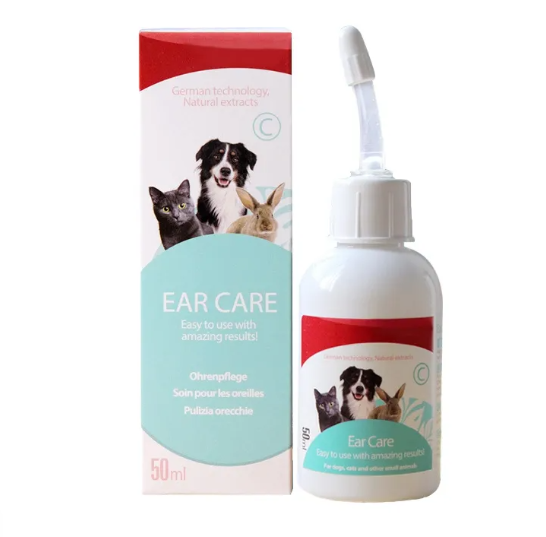
- Clean ears regularly from wax buildup to prevent infections that can cause a fishy smell. Use only dog-safe products that are good for your pup’s wellness. The following Ear cleaner is suitable for Doxie puppies and it neutralizes a bad ear odor.
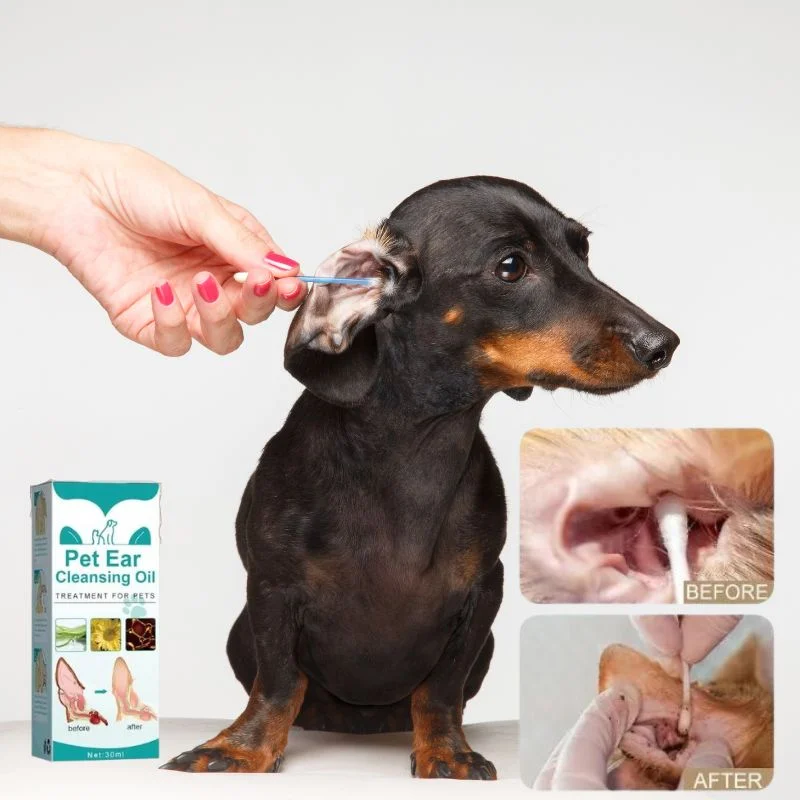
- Trim nails and clean between the toes to avoid yeast buildup.
- Keep your dachshund’s bedding clean by washing it weekly, as dirt and oils from their coat can transfer onto fabric. This breed is prone to itchy skin, so you need to get rid of potential allergy triggers as much as you can.
By combining vinegar rinses, consistent brushing, and dental care, you’ll significantly reduce odor issues and help your dachshund smell better all around.
Why Does My Dachshund Smell So Bad? Wrapping Up
We all agree that living with a smelly dog isn’t easy. That’s why it’s extremely important to notice any changes that occur in your dog’s body. Whether its ears, paws, breath, or coat started to spread a nasty smell, then it’s the ultimate time to take him/her to the veterinarian. Love your pet, share experience with other people, read our expert tips, and help your pup become odorless.



 Dachshund Jackets & Coats
 Dachshund Hoodies
 Dachshund Sweaters
 Dachshund Shirts
 Dachshund Life Jackets
 Dachshund Costumes
 Dachshund Pajamas

 Dachshund Harnesses
 Dachshund Collars


 Dachshund Backpacks


2 thoughts on “Why Does My Dachshund Smell So Bad? 4 Reasons To Know”