
How to Stop My Dachshund from Barking?

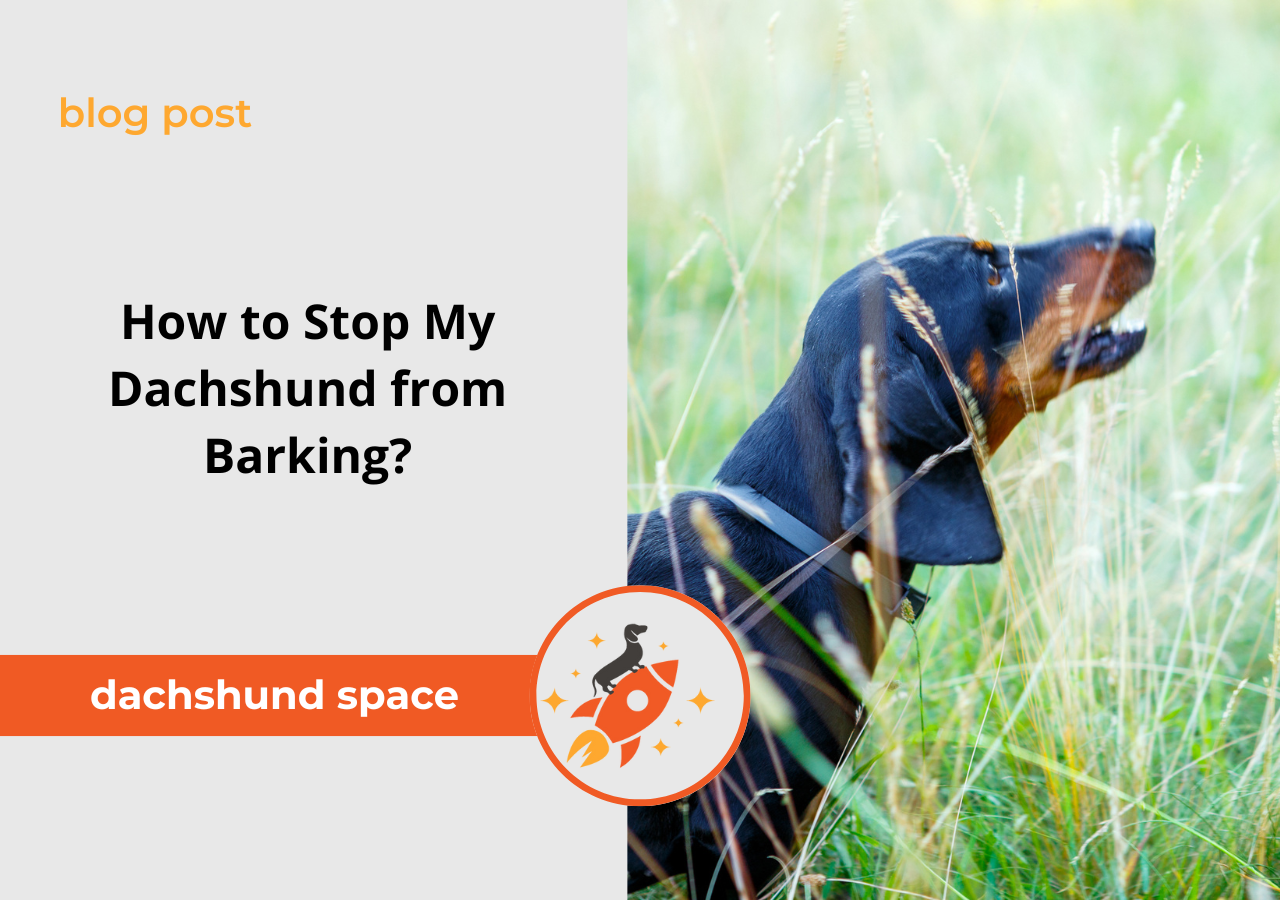
Does your dachshund bark at the drop of a hat – whether it’s the mailman, a neighbor’s dog, or a mysterious noise only they can hear? If so, you’re not alone. Many new dachshund parents find themselves asking, “does a dachshund bark a lot?” The answer is usually yes — these little pups have a reputation for being quite talkative! Dachshund barking is a common challenge for many owners of these lovable little dogs. Dachshunds have big personalities and, often, equally big voices. In this blog post, we’ll explore why do dachshunds bark so much and give you practical tips on how to help your wiener dog calm down.

Why Do Dachshunds Bark So Much?
Dachshunds might be small in stature, but they often come with a big bark. Ever wonder why do dachshunds bark so much? Part of the answer lies in their heritage. Dachshunds were originally bred as hunting dogs (their name literally means “badger dog” in German). They would burrow into tunnels and bark loudly to alert their owners to prey. This hunting background gave dachshunds a strong instinct to use their voice.
Of course, these days your dachshund isn’t chasing badgers, but that instinct to bark is still there. Barking is also how dogs communicate, and doxies have a lot to say! They might bark to protect their territory, to alert you of something interesting (or suspicious), to get your attention, out of boredom, or even just from excitement. In many cases, your dachshund truly believes there’s a good reason for all that noise. Understanding those reasons is the first step to managing the barking.
Do Mini Dachshunds Bark a Lot?
Maybe you have a mini dachshund (the smaller, but equally spunky version of the breed) and you’re wondering if they’re any quieter. So, do mini dachshunds bark a lot? The short answer: Yes, they certainly can! Mini dachshunds might be smaller in size than standard dachshunds, but they’ve got the same big-dog attitude and instincts.
That said, every dog is an individual. Some mini dachshunds might be quieter or more laid-back than others. Often, how much a dachshund (mini or standard) barks comes down to their personality, training, and environment rather than just their size. If your mini is barking up a storm, the good news is the training tips we’ll discuss apply to them just the same as any barking dachshund!

Types of Dachshund Barking (What Is Your Dog Saying?)
Not all barks are created equal. Your dachshund might be making noise for different reasons, and the way they bark can actually tell you what’s going on in their head. Let’s check into some common types of barking dachshunds display and what each one might mean:
1. Territorial or Alert Barking
This is the classic “someone’s at the door!” bark. It’s a loud, rapid-fire bark that erupts as soon as your dachshund spots or hears a perceived intruder (like the mail carrier, a squirrel on the porch, or a neighbor passing by). Your dog’s body language might be intense – ears perked, eyes focused, maybe even a little growl mixed in. Dachshunds bark like this to protect their territory and to alert you. In their mind, they’re doing their job as the household watchdog.
2. Attention-Seeking Barking
If a dachshund wants something, they might let you know by barking directly at you. This type of bark is usually aimed at a person rather than at the environment. For example, your pup might give a sharp bark or two while staring at you – as if to say “Hey, look at me!” Common reasons include wanting to play, begging for a treat, or asking to go outside. An attention-seeking barking dachshund has often learned that making noise gets a reaction. Even negative attention (like being told “No!”) can accidentally encourage them, so this is one type of barking you’ll want to manage with training.

3. Boredom Barking
A bored dachshund can turn into a noisy one. This kind of barking may sound repetitive or incessant. Imagine your dog in the backyard barking at nothing in particular, or pacing around the house letting out periodic barks and whines. They’re essentially saying, “I’m bored and have energy to burn.” You might also see this if a dachshund is left alone for too long without toys or activities – they’ll find ways to entertain themselves, and barking is an easy option. Boredom barking often comes with other restless behaviors like digging, chewing, or general mischief (these little adventurers hate having nothing to do!).
4. Fear or Anxiety Barking
When a dachshund is scared or anxious, their barking can sound panicked or desperate. This might happen during thunderstorms, fireworks, or whenever your pup feels threatened and uneasy. The barks are often high-pitched, maybe drawn-out, and can be mixed with whining or howling. A fearful bark is basically your dog crying out for help or trying to scare away the scary thing. For instance, an anxious barking dachshund left home alone might bark for long stretches or let out mournful howls, hoping someone will come back. This type of barking often needs a comforting approach and training to build your dog’s confidence.
5. Excitement Barking
Finally, there’s the joyous, excited bark. You’ll recognize this when you come home and your dachshund can’t contain their happiness, or when it’s playtime and they’re having a blast. These barks are usually accompanied by a wildly wagging tail, happy wiggles, or jumping. The tone is upbeat and sharp – it’s like your dog is shouting “Yay! You’re here!” or “This is fun!” While it’s hard to fault a dog for being excited, this barking can sometimes get a bit much if they’re over-stimulated. Still, it’s generally a positive form of barking – just your pup expressing their enthusiasm.
Recognizing these different types of barking is really helpful. Once you know what kind of bark your dachshund is doing, you can respond appropriately. For example, you couldn’t handle a fear bark the same way as an attention bark. Understanding the context of the bark helps you address the root cause and teach your dog a better way to communicate (or let them know that they don’t need to bark at all in that situation).
How to Stop My Dachshund from Barking: Step-by-Step Guide
Ready to turn down the volume on your vocal pup? Tackling excessive barking takes patience and consistency, but it’s absolutely doable. Here are some steps to help stop your dachshund from barking so much:
- Identify the Triggers: Start by figuring out why your dachshund is barking. Is it the doorbell? People passing by the window? Being left alone? Knowing what sets your dog off will help you choose the right strategy to address it. Sometimes the triggers are obvious, but other times you might need to play detective. Once you pinpoint the cause, you’re halfway to a solution.
- Manage the Environment: Make it easier for your dachshund to be quiet by controlling their surroundings. If they go crazy seeing people outside, block their view with curtains or baby gates away from the front window. If noises make them bark, use a white noise machine or keep some gentle music on to mask outside sounds. The idea is to reduce those “irresistible” triggers so your pup isn’t tempted to bark at every little thing.
- Teach a “Quiet” Command: It’s extremely handy to have a cue for quiet. To teach it, let your dachshund bark once (you might prompt a bark by a knock on a table), then calmly say “Quiet.” The second they stop barking, even if just to take a breath, reward them with a treat and praise. Repeat this training consistently, and your dog will gradually understand that “Quiet” means they should stop barking (because being quiet earns them a reward).
- Use Positive Reinforcement: Whenever your dachshund is quiet in a situation that would normally set them off, reward that good behavior. Give them a treat, a pet, or a cheerful “good dog!” right away to reinforce the quiet. Likewise, try not to give in when they’re barking for attention or demanding something – wait until they pause and calm down, then reward. This way, they learn that staying quiet (not barking) is what brings the good stuff.
- Provide Plenty of Exercise and Play: A tired dachshund is a quieter dachshund. Make sure your pup gets daily exercise – brisk walks, play sessions, or some fun fetch – to burn off energy. Mental stimulation helps too: puzzle toys, chew toys, and training games keep their mind busy. When your dog is well-exercised and mentally satisfied, they’re much less likely to bark out of boredom or excess energy.
- Socialize and Desensitize: Help your dachshund get used to the things that make them bark. Gradually introduce them to triggers in a controlled, positive way. For example, if your dog barks at the neighbor’s dog, try having them meet at a safe distance and reward your pup for staying calm. Slowly decrease the distance over multiple sessions. By gently exposing your dachshund to their triggers and rewarding quiet behavior, they’ll learn that these things aren’t so scary or exciting after all.
- Be Consistent and Patient: Consistency is key in teaching any dog new habits, especially a stubborn but smart dachshund. Make sure everyone in your household is on board with the training plan – using the same commands and responses. Don’t get discouraged if progress is slow. Change won’t happen overnight. And try to stay calm – if you yell or get overly frustrated, your dog can sense that stress. Keep at it with a positive attitude, and celebrate the small wins (like that one time they actually listened and went quiet!). With time and patience, your dachshund will improve.
The goal isn’t to make your dachshund never bark at all (that wouldn’t be fair or realistic), but to get the barking down to a reasonable level. By following these steps, you’ll help your furry friend understand when it’s okay to bark and when it’s better to chill out.

Dachshund Bark Collar: Should You Use One?
When faced with a constantly barking dachshund, it’s tempting to consider a dachshund bark collar for quick relief. Bark collars are devices that respond to a dog’s bark by delivering some sort of deterrent — a mild electric buzz, a squirt of citronella, an ultrasonic tone, or a vibration. The idea is that dogs will associate barking with an unpleasant sensation and eventually stop doing it.
Before you put a bark collar on your doxie, though, consider a few things. First, results can be mixed: some dachshunds might quiet down, while others learn to bark right through it or only behave when the collar is on. More importantly, think about why your dachshund is barking. A bark collar doesn’t address underlying issues like boredom, fear, or territorial behavior — it just tries to mute the symptom. In some cases, a collar (especially a shock collar) could make a sensitive dachshund more anxious or fearful. For example, if your pup is barking out of fear and then gets an unexpected zap, they might become even more distressed.
Many dog experts recommend using bark collars only as a last resort, if at all. If you do try one, opt for the gentlest type (like a vibration or spray collar) and use it alongside positive training methods. Always supervise your dog at first to ensure the collar isn’t freaking them out. Remember, the goal is to teach your dachshund not to bark so much because they feel relaxed and trained, not just because they’re scared of getting zapped or sprayed.

Common Mistakes When Trying to Stop Dachshund Barking
Even with the best intentions, we sometimes do things that can accidentally encourage more barking or make training less effective. Here are some common mistakes to avoid when tackling your dog’s barking habit:
- Yelling “Quiet!” (or Using Anger): Raising your voice or getting angry usually backfires. Your dachshund either thinks you’re joining in the barking, or you might actually scare or confuse them without teaching them anything. It’s tough, but staying calm and consistent works far better than shouting.
- Inconsistency: If one day you let your dachshund bark at the mailman, but the next day you scold them for it, they’ll be confused. Or if one family member lets the dog jump and bark when they come home, but you’re trying to train them not to jump and bark, the mixed signals will slow progress. Everyone in the household should be on the same page about the barking rules.
- Accidental Rewards: Be careful not to unknowingly reward barking. If your dog barks at you for attention and you eventually pet them or even yell at them to stop, they’ve gotten attention (which is what they wanted). If they bark to go outside and you open the door, guess what they’ll do next time? Try to only give them what they want when they’re calm and quiet, so they learn that staying quiet is the way to get goodies or attention.
- Over-reliance on Devices: Thinking a bark collar or an ultrasonic gadget will miraculously fix the problem without any training is a mistake. These can sometimes help a little, but they’re not cures and can be problematic if used improperly. Similarly, physical punishment is a big no-no – it might stop the barking momentarily out of fear, but it damages trust and can lead to other behavior issues.
Avoiding these pitfalls will make your training more effective. Remember, your dachshund isn’t barking out of malice. They’re trying to communicate or react to their environment. With understanding, consistency, and positive training, you can reduce the racket and make life more peaceful for both of you.

Conclusion: How To Stop My Dachshund From Barking
Living with a chatty dachshund can be a test of patience, but it’s also part of the charm of this feisty breed. Instead of feeling frustrated, take it as a challenge to understand your furry friend better. Why are they sounding off? What are they trying to tell you? Once you crack that code, you’ll be in a great position to guide them toward calmer behavior.
Progress may be gradual, with good days and bad days — and that’s normal. Stick with the program, and don’t forget to acknowledge the improvements, no matter how small. If your dachshund stayed quiet when the neighbor’s dog walked by today (when usually they’d go berserk), that’s a win!
Above all, keep your bond with your dachshund positive. They are barking because they love you, or they’re excited, or they’re concerned about something. By training them, you’re not just teaching them to be quiet – you’re showing them that they’re safe, loved, and heard (even when they’re not barking). With time, consistency, and lots of love, you’ll find a happy medium where your dachshund can still be their quirky, vocal self, but knows when it’s time to settle down.
READ ALSO:
What Is A Corgi and Dachshund Mix? Meet The Silly Hybrid Dog






 Dachshund Jackets & Coats
 Dachshund Hoodies
 Dachshund Sweaters
 Dachshund Shirts
 Dachshund Life Jackets
 Dachshund Costumes
 Dachshund Pajamas

 Dachshund Harnesses
 Dachshund Collars


 Dachshund Backpacks


