
Dachshund Behavior Problems: The Most Common Issues (and How to Fix Them)

Dachshunds are smart, brave, and famously determined. That’s part of the charm… and also why certain behavior issues show up again and again: barking at every sound, pulling like a tiny freight train, digging the yard into a crater, or panicking the moment you grab your keys. Dachshund behavior problems can become a nightmare for any owner if they aren’t addressed from the very beginning. That’s why it’s important to identify the root cause and take the right steps so both your life and your dog’s life can become easier.
This guide is built to be practical and repeatable. For each behavior problem, you’ll get:
- What it looks like
- Why it happens (Dachshund-specific reasons)
- What to do today
- A 14-day plan
- Common mistakes
- When to call a vet, trainer, or behaviorist
f a behavior change is sudden—new snapping, hiding, yelping when picked up, refusing stairs, guarding a spot, or “grumpy out of nowhere”—treat it as a medical check first. Pain (including back discomfort) can flip behavior fast in this breed.

Quick index of Dachshund Behavior Problems
| Behavior problem | First step you can do today | Get professional help when… |
| Excessive barking | Teach “quiet” + manage triggers | Barking escalates, panic barking, or neighbor complaints |
| Separation anxiety | Short “alone-time reps” + predictable exit routine | Destructive panic, self-injury, nonstop howling |
| Potty accidents/marking | Reset routine + clean with enzyme cleaner | Accidents suddenly start, straining, frequent urination |
| Chewing/destruction | Enrichment + management (confine) | Chewing is frantic, ingestion risk, anxiety signs |
| Digging | Replace with legal digging + more sniffing | Compulsive digging + cannot settle |
| Leash reactivity | Distance + calm repetitions | Lunging worsens, fear bites, you feel unsafe |
| Resource guarding | Trade-up drills + prevent rehearsal | Growling/snap history, guarding people/places |
| Jumping/nipping | Reward calm, teach “four on floor” | Nipping breaks skin, escalates with kids |
| Fear/noise sensitivity | Create safe zone + gradual exposure | Panic, shaking, escape attempts, prolonged stress |
Before you “train”: the Dachshund reality check
A lot of “bad behavior” is really one of these:
- Instinct (scent hound + hunting drive)
- Under-stimulation (bored brain + busy nose)
- Overstimulation (too close to triggers, too fast)
- Accidental reinforcement (they learned what works)
- Discomfort (especially if behavior changed suddenly)
Your best results will come from combining:
- Management (prevent rehearsing the behavior)
- Training (teach a new skill)
- Enrichment (use their nose and brain daily)
If you only train but don’t manage triggers, the dog keeps practicing the old behavior—and the habit stays strong.
What Are The Most Common Dachshund Behavior Problems?
1) Excessive barking (alarm barking, demand barking, “I heard a leaf” barking)
What it looks like
- Barking at doorbells, hallway sounds, neighbors
- Barking to get attention, food, play
- “Rapid-fire” barking that’s hard to interrupt
Why it happens in Dachshunds
They’re alert, confident, and quick to announce changes. Many Dachshunds also have strong opinions about what should (and shouldn’t) exist near their home.
What to do today (fast wins)
- Block the rehearsal: close curtains, use a white noise machine, move their bed away from the front window.
- Teach an interrupter: say their name → toss a treat on the floor → repeat. You’re training a reflex: “When I hear my name, I disengage.”
- Start “quiet” training: wait for a 1–2 second pause in barking → say “quiet” → treat.
14-day plan
- Days 1–3: Reduce triggers + practice name game 10 reps/day.
- Days 4–7: Add “place” (bed/mat). Door sound happens → dog goes to mat → treat.
- Days 8–14: Controlled practice: knock lightly, ring sound from phone, hallway noise recording at low volume. Reward calm and “quiet.” Increase difficulty slowly.
Common mistakes
- Yelling “STOP!” (to a dog, that can sound like joining the barking)
- Asking for “quiet” when they’re already over threshold
- Training without changing the environment (they keep practicing)
When to get help
If barking is panic-based, happens with trembling/pacing, or can’t be interrupted even with high-value food, a certified trainer can help you set a safer plan.
2) Separation anxiety (the “velcro Dachshund” problem)
What it looks like
- Howling, drooling, pacing. The easiest way to check how your dog behaves while you’re out is to install a dog cam.
- Destruction near doors/windows. That’s a clear sign that a dog wants to escape to find you.
- Accidents only when alone. A dog can start to urinate and defecate at home because it’s feeling lonely and stressful.
- Extreme excitement on your return (not “happy,” more “relief flood”).
Why it happens in Dachshunds
Many are deeply people-focused. If they’ve learned that being alone predicts discomfort, they’ll try to prevent it—by panicking.
What to do today
- Stop dramatic exits/entries. Calm in, calm out. Do not show great emotion when you need to leave the house. It’s often a trigger for a dog’s anxiety.
- Build a predictable pre-leave routine: shoes on → treat scatter → you sit for 30 seconds → leave.
- Start tiny alone-time reps: step out for 5 seconds → return. Repeat. Keep it so easy the dog stays calm.
14-day plan
- Days 1–3: Alone-time reps 5–20 seconds, several times/day.
- Days 4–7: Extend to 1–3 minutes. Use a stuffed food toy only if it helps (some anxious dogs won’t eat).
- Days 8–14: Randomize your routine. Do “fake leaves” (keys, jacket) without leaving. Extend to 5–15 minutes, slowly.
Common mistakes
- Jumping from 2 minutes to 30 minutes too quickly
- Using a crate if the dog panics in confinement (that can worsen distress)
- Only practicing when you truly have to leave (too much pressure)
When to get help (sooner is better)
If your Dachshund is destroying doors, injuring teeth, screaming nonstop, or showing intense distress, involve a qualified separation-anxiety trainer and your vet. Severe cases often need a structured plan (and sometimes short-term medication support). Our guide Dachshund Howling: Why Your Wiener Dog Howls and How to Handle It will answer you to important questions why they love to howl.
3) Potty accidents and marking (even in “trained” Dachshunds)
What it looks like
- Pee spots in the same areas
- Accidents after excitement or visitors
- Marking on vertical surfaces
- Regression after travel, schedule change, or winter weather
Why it happens in Dachshunds
This breed can be sensitive to routine changes and outdoor conditions. Also, “almost trained” often means the dog didn’t fully generalize the habit to every room/situation.
What to do today
- Reset the routine: outside after waking, after eating, after play, after naps, before bed.
- Use an enzyme cleaner (regular cleaners often leave scent behind).
- Supervise or confine: if you can’t watch, use a safe pen or a small area.
14-day plan
- Days 1–3: Leash every potty break, reward immediately outside. Track times.
- Days 4–7: Increase freedom only after 7 accident-free days.
- Days 8–14: Add a cue (“go potty”) and practice in multiple spots.
Common mistakes
- Punishing accidents (it teaches hiding, not learning)
- Too much freedom too soon
- Inconsistent timing
When to call the vet
Sudden accidents, frequent urination, straining, blood in urine, or licking genital area excessively. Read our guide: How to Potty Train a Dachshund: Schedule, Tips & Troubleshooting
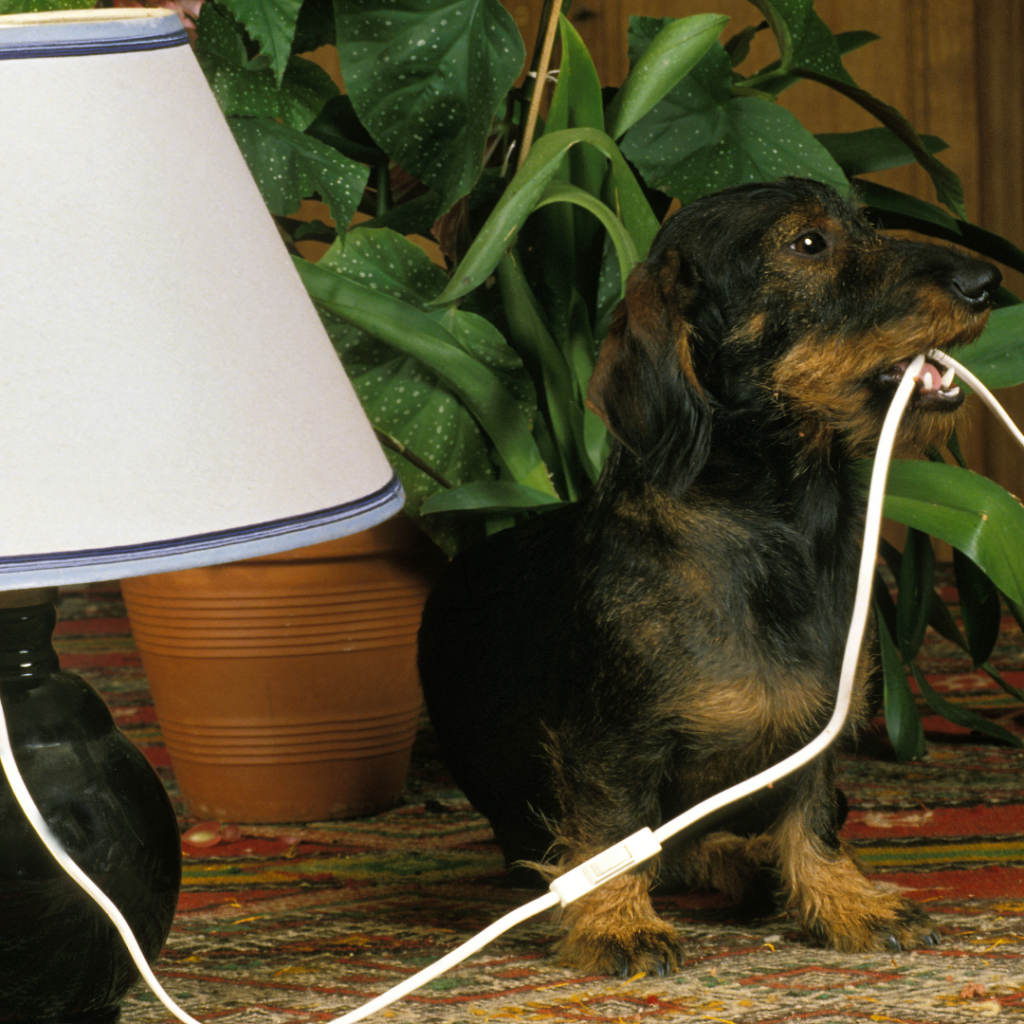
4) Chewing and destruction (the bored brain + busy mouth combo)
What it looks like
- Destroyed beds, shoes, baseboards
- Targeting objects that smell like you
- Chewing mostly when unsupervised
Why it happens in Dachshunds
They’re problem-solvers. If their brain and nose don’t get a daily job, they invent one.
What to do today
- Manage access: close doors, use a pen, put laundry away.
- Give “legal chewing”: durable chew + rotate options (novelty matters).
- Daily sniffing game: scatter food in a towel/snuffle mat, or hide treats around one room.

14-day plan
- Days 1–3: Two short enrichment sessions/day (5–10 minutes).
- Days 4–7: Add a “settle routine” after exercise: chew on a mat → calm praise.
- Days 8–14: Teach “leave it” and “drop it” using trade-ups (always reward the release).
Common mistakes
- Only adding more toys (without managing access)
- Giving chews that are unsafe for aggressive chewers
- Long, intense exercise without mental work (you create a fitter destroyer)
When to get help
If destruction happens alongside pacing, drooling, vocalizing, or only during alone-time, treat it as anxiety, not “bad manners.” Read our blog post: Can Dachshunds Be Left Alone? 5 Things To Know
5) Digging (and why “just stop” never works)
What it looks like
- Holes near fences, trees, garden beds
- Digging and burrowing behavior when excited or left alone
- Digging that looks intense and repetitive
Why it happens in Dachshunds
Digging is deeply wired. Many Dachshunds will dig because it feels satisfying—especially if they smell something interesting.
What to do today
- Create a legal digging zone: sandbox, designated corner, or a specific area with loose soil.
- Bury rewards (a toy or treats) in that zone and praise digging there.
- Block tempting spots with barriers or rocks until the habit shifts.
14-day plan
- Days 1–3: Start “find it” in the legal zone: toss treats into the soil/sand.
- Days 4–7: Redirect immediately when digging elsewhere: “this way” → run to legal zone → reward.
- Days 8–14: Add structured sniff walks (10–20 minutes) daily; fewer “need-to-dig” moments.
Common mistakes
- Scolding after the fact (they don’t connect it)
- Leaving them in the yard bored and unattended
- Not providing an outlet
When to get help
Compulsive digging paired with inability to settle can point to chronic stress—worth discussing with a trainer.
6) Leash reactivity (barking/lunging at dogs or people)
What it looks like
- Lunging, barking, spinning
- Sudden intensity as the trigger gets closer
- “Fine off-leash, terrible on leash”
Why it happens in Dachshunds
On leash, they can’t create distance. Some react out of fear, others out of frustration/excitement. Dachshunds are also confident “front-line” dogs—sometimes too confident.
What to do today
- Increase distance: you want calm repetition, not chaos practice.
- Reward for noticing then disengaging: the moment they see a dog/person and stay calm → treat.
- Use a harness (safer, better control, less strain).
14-day plan
- Days 1–3: Find your “safe distance” where your dog can still eat treats. Train there.
- Days 4–7: Practice “U-turn” cue (“this way!”) with rewards. Use it before they explode.
- Days 8–14: Gradually decrease distance only if your dog stays calm and responsive.
Common mistakes
- Waiting until they’re already barking to “train”
- Tight leash pressure (often increases frustration)
- Forcing greetings as “socialization”
When to get help
If there’s any bite risk, or you feel unsafe, work with a certified trainer experienced in reactivity.
7) Resource guarding (food, toys, couch spots, even you)
What it looks like
- Stiffening, whale eye, freezing over an item
- Growling when approached
- Snapping if someone reaches in
Why it happens
Guarding is a normal canine strategy that can become unsafe if rehearsed. It’s often rooted in insecurity, not “dominance.”
What to do today
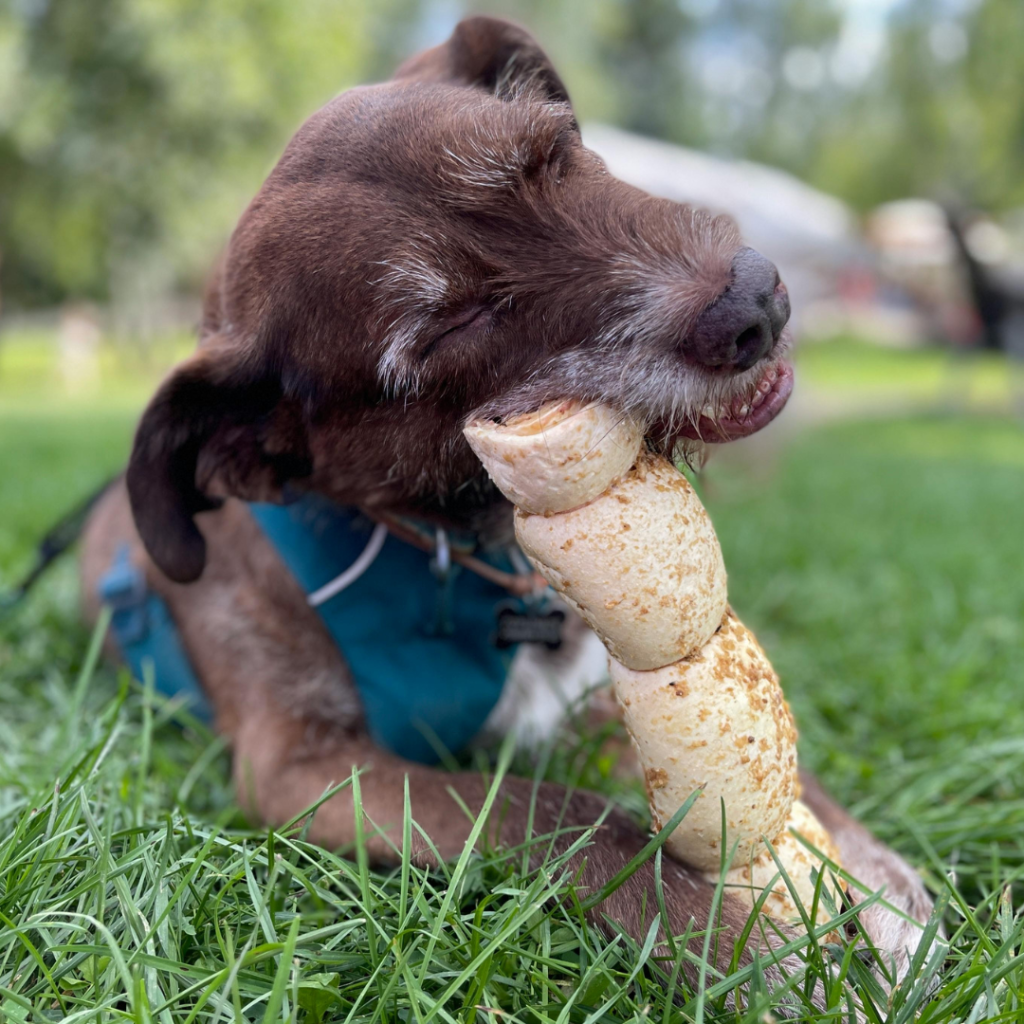
- Prevent rehearsal: don’t take items from their mouth; don’t corner them.
- Start trade-ups: offer a better treat → dog drops item → reward → give item back sometimes (this builds trust).
- Teach “drop” with low-stakes objects first.
14-day plan
- Days 1–3: Trade-ups 5 reps/day with safe items.
- Days 4–7: Add “approach = bonus” training: walk by while they chew → toss treat → leave.
- Days 8–14: Gradually reduce distance, still tossing treats, never reaching in.
Common mistakes
- “Alpha” tactics (can escalate guarding)
- Snatching items (teaches them to guard harder)
- Letting kids approach when the dog is eating/chewing
When to get help
If there’s a snap history, guarding of people/places, or kids in the home—get professional guidance.
8) Jumping and nipping (especially in young Dachshunds)
What it looks like
- Jumping on guests
- Mouthy behavior during play
- Nipping ankles during excitement
Why it happens in Dachshunds
Excitement + poor impulse control + reinforcement (people talk, touch, or push the dog down—still attention).
What to do today
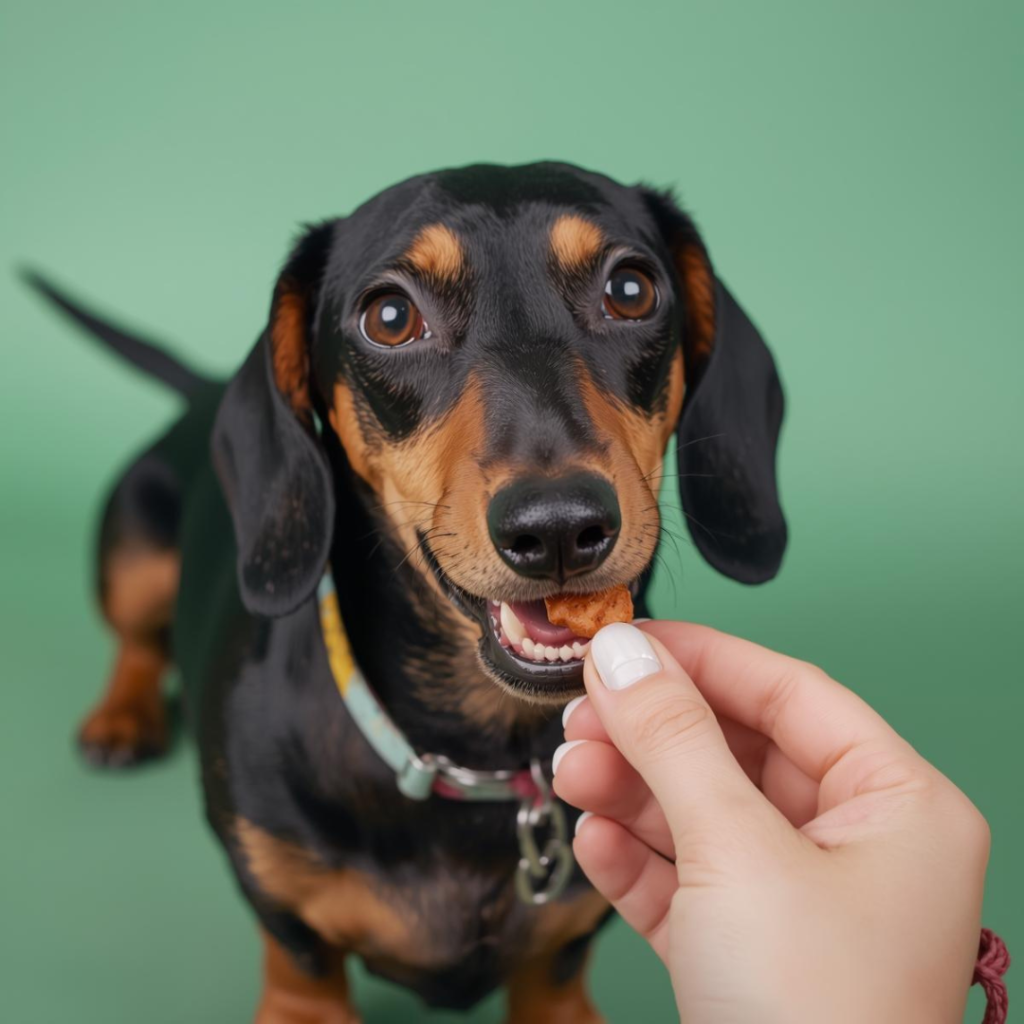
- Reward “four on the floor.” Calm feet = treat.
- Teach an incompatible behavior: “go to mat” when someone enters.
- Use time-outs correctly: brief, calm removal of attention (10–20 seconds), then reset.
14-day plan
- Days 1–3: Practice greetings with a friend: approach → treat for calm → back up.
- Days 4–7: Add mat training by the door. Door opens → dog goes to mat → treat.
- Days 8–14: Increase difficulty: more exciting guests, longer duration on mat.
Common mistakes
- Pushing the dog down (still rewarding attention)
- Rough play that encourages mouthiness
- Inconsistent rules (sometimes allowed, sometimes not)
When to get help
If nipping escalates, breaks skin, or happens around kids, work with a qualified trainer.
9) Fearfulness and noise sensitivity (fireworks, thunder, city sounds)
What it looks like
- Shaking, panting, hiding
- Refusing walks
- Clinginess or frantic running
- Trying to escape or dig out
Why it happens
Some dogs are genetically sensitive; others build fear after one bad experience. For Dachshunds, a “brave” dog can still be noise-sensitive.
What to do today
- Create a safe zone: quiet room, closed curtains, cozy bed, background sound.
- Don’t force exposure: comforting calmly is okay; you’re not “rewarding fear.”
- Start gentle desensitization: low-volume noise recordings paired with treats (only if your dog stays calm).
14-day plan
- Days 1–3: Safe zone routine + calm treat scatter during mild noises.
- Days 4–7: Low-volume recordings 1–2 minutes/day while feeding treats.
- Days 8–14: Slightly increase volume only if your dog remains relaxed and willing to eat.
Common mistakes
- Flooding (too loud, too fast)
- Dragging the dog toward scary sounds
- Waiting until fireworks season to train
When to get help
Severe panic (self-injury risk) deserves vet support and a structured plan well before big events. You can also read our guide: How to Keep Your Dachshund Calm During Firework Season
It will provide you with some useful tips on how to make your Doxie feel calm.
A simple daily routine that prevents 80% of behavior problems
If you want one “foundation plan” for a calmer Dachshund, use this plan. This plan helped dozens dog owners and I personally applied it to my dogs. When a dog is busy and needs to work for his/her ‘’reward’’, he/she will be less prone to behavior problems. A pleasantly tired dog is a happy dog. It will be less destructive and won’t show aggression.
- Sniff walk (10–20 minutes) — slow pace, lots of sniffing
- Short training (3–5 minutes) — one skill: “place,” “quiet,” “this way”
- Enrichment meal — snuffle mat, scatter feed, puzzle toy
- Rest — teach “settle” after activity (calm is a skill)
This routine is not fancy. It’s consistent. And consistency builds trust—both for your dog and for your brand voice on DachshundSpace.
When you should involve a professional help?
Get help if:
- There is bite risk (growling/snapping/guarding with escalation)
- The dog shows panic (separation anxiety, noise phobia)
- You suspect discomfort (behavior change + sensitivity to touch/movement)
- You feel unsafe or overwhelmed
A good trainer or veterinary behavior professional doesn’t “replace” your effort. They speed up progress with fewer mistakes and know how to easier and faster teach your pet desirable behavior. So, if your Doxie doesn’t improve his behavior even after so many lessons, then it’s the right time to call a professional trainer.
FAQs
Are Dachshunds stubborn or just smart?
Dachshunds are often smart. If a behavior works (barking brings attention, pulling reaches the smell), they’ll repeat it. Train with motivation, manage the environment, and reward the behavior you want. The key is to give your dog the right motivational tool. That’s how your pooch will connect it with something positive and that he/she is doing something desirable.
How long does it take to fix barking or reactivity?
You can see improvement in 2–4 weeks with consistent management and calm repetitions. Dachshunds don’t like yelling and punishment. Just like with kids, you need to have a lot of patience, otherwise your dog won’t progress in training. Deep habits may take longer, especially if the behavior has been rehearsed for months. That’s why I always recommend pet owners to start with the training lessons as early as possible.
Should I punish growling?
No. Growling is communication. Punishment removes the warning, not the feeling. Focus on prevention, trade-ups, and creating safety. Dogs don’t love punishment and it can only lead to stubbornness and trigger other behavioral issues.
What’s the fastest way to improve behavior overall?
Daily sniffing + short training + preventing rehearsal. Small routines, repeated, beat occasional “big training sessions.” Dachshunds are scent hounds. When they get to sniff, their brain is doing the job it was built for—tracking information, problem-solving, and decompressing. That reduces the “leftover energy” that often turns into barking, digging, chewing, or leash drama.






 Dachshund Jackets & Coats
 Dachshund Hoodies
 Dachshund Sweaters
 Dachshund Shirts
 Dachshund Life Jackets
 Dachshund Costumes
 Dachshund Pajamas

 Dachshund Harnesses
 Dachshund Collars


 Dachshund Backpacks


One thought on “Dachshund Behavior Problems: The Most Common Issues (and How to Fix Them)”