

Are Hairless Dachshunds Real? Facts, Myths & Breed Details

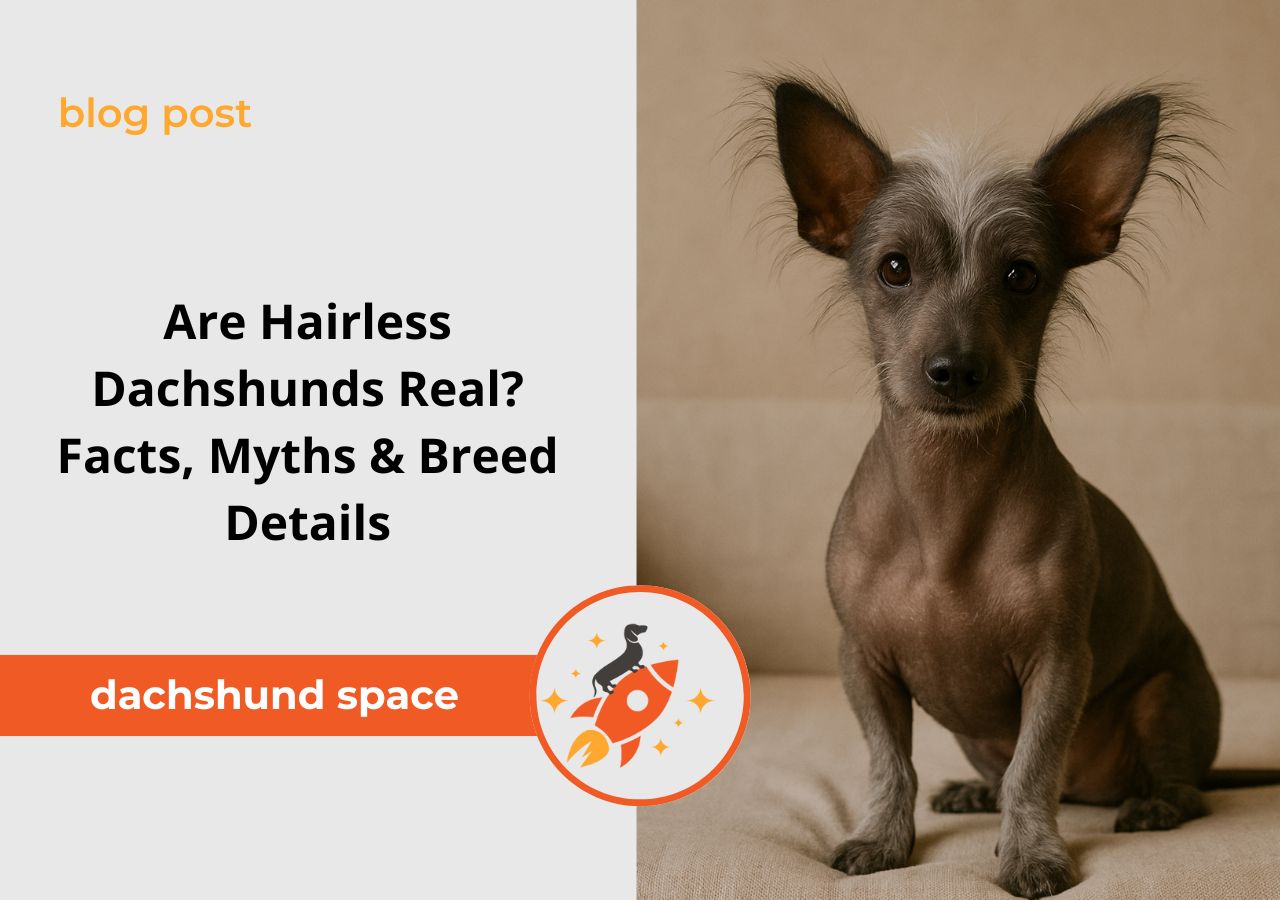
I’ll never forget the day I scrolled past a photo of a hairless Dachshund puppy on social media. At first, I thought someone had shaved a poor pup or it was a Photoshop joke. But no – the post claimed it was a “new rare hairless Dachshund.”
As a Dachshund owner, my heart sank. I adore every trait of these little sausage dogs, and seeing one completely bald was both intriguing and alarming. This trend of hairless Dachshunds has been making waves lately, leaving many of us asking: Are hairless Dachshunds real, or just an internet myth?
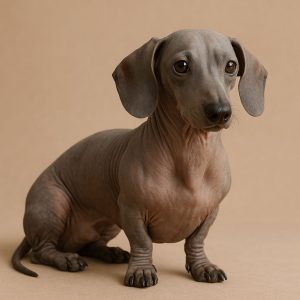
Are Hairless Dachshunds Real or Just a Myth?
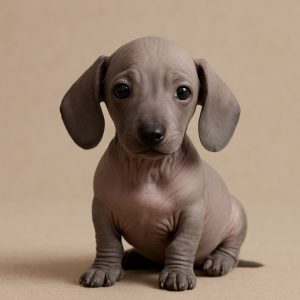
So, do hairless Dachshunds actually exist? The short answer: not as a natural, purebred trait. Unlike breeds that are naturally hairless (such as the Chinese Crested or Xoloitzcuintli), Dachshunds do not carry a hairless gene in their normal genetic makeup.
The official breed standards around the world recognize three coat types – smooth (short-haired), long-haired, and wire-haired – none of which are hairless. In other words, a purebred Dachshund should have a coat, whether it’s a sleek smooth red or a fluffy long-haired cream.
So what’s the deal with those hairless Dachshund puppies popping up online? In reality, any genuinely bald Dachshund is likely the result of crossbreeding. It’s a deliberate mix between a Dachshund and a hairless breed to introduce the bald trait.
For example, breeders could mate a Dachshund with a Chinese Crested to produce offspring with little to no fur. These mixes might look somewhat like Dachshunds, but genetically they are not pure Dachshunds. Essentially, someone is creating hairless Dachshund mixes and marketing them as a novelty.
The myth is that some people claim hairless Dachshunds are a “new variety” or a spontaneous mutation. That’s false. There’s no evidence of a natural mutation in Dachshunds that makes them hairless.
Unfortunately, some breeders produce hairless dogs and claim that they’re hypoallergenic. However, the truth is that hypoallergenic dogs don’t exist. People are allergic to a dog’s dander that every dog releases.
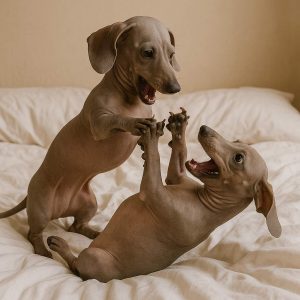
The Cruel Trend of Breeding Hairless Dachshunds
Why would anyone want a bald wiener dog in the first place?
The recent buzz around hairless Dachshunds seems to stem from social media “cuteness” and the perpetual quest for rare, exotic pets.
Just as we’ve seen fads for unusual colors or tiny “teacup” sizes, now some breeders are touting hairless puppies as the latest must-have rarity. It’s being treated like a fashion trend. However, this is a living, breathing creature, not a designer handbag.
Here’s the problem: To get a hairless Dachshund, breeders must intentionally introduce the hairless gene from another breed. This is typically done by outcrossing (mixing breeds) and then possibly breeding the mixed offspring back to Dachshunds to maintain the body shape.
Such deliberate breeding for a cosmetic trait can be deemed cruel when it compromises the dog’s well-being. Leading Dachshund experts and clubs have spoken out strongly against this trend.
Hairless Dachshunds vs. Dachshunds with Alopecia (Don’t Get Confused!)
One important thing to clarify is the difference between an intentionally bred hairless Dachshund and a Dachshund who loses hair due to alopecia or other skin conditions. They might appear similarly bald, but the causes are worlds apart. As owners, we should not mix up these two situations.
Alopecia is another name for hair loss. Dachshunds, like many breeds, can experience hair loss for a variety of reasons. It’s usually not intentional at all, but rather a medical or genetic issue. For example, some Dachshunds inherit pattern baldness (aka pinnal alopecia) where fur on the ears, neck, or chest thins out as they reach adulthood. It’s harmless and mostly cosmetic – I joke that my old smooth boy developed a receding hairline on his ears by age 2.
Other Dachshunds (especially those with dilute coat colors like blue or Isabella/fawn) often suffer from Color Dilution Alopecia.. With color dilution alopecia, a pup might be born with a normal coat, but by 6–12 months old they start losing patches of hair, usually on the back, sides, and ears.
A blue Dachshund, for instance, may end up with a very sparse, thin coat or large bald areas due to this condition. It’s not that they were bred to be hairless – it’s an unfortunate side effect of the gene that made their coat that pretty blue-grey color. In fact, Isabella and blue Dachshunds are notorious for balding spots as they mature (one reason they’re considered higher-maintenance rare colors).
Dachshunds loose hair due to allergies too
Beyond genetics, Dachshunds can lose fur from medical issues too. Allergies are a big one – if your Doxie has an environmental or food allergy, they might get itchy and chew or scratch until their fur thins out or bald patches appear.
Parasites like fleas or mange mites (scabies or demodex) can cause intense itching and patchy hair loss. I’ve experienced this firsthand: my mini Dachshund developed a bald spot near her tail one summer, which turned out to be flea allergy dermatitis. One flea bite and she’d chew that spot raw.
Hormonal problems (like hypothyroidism or Cushing’s disease) in Dachshunds can also lead to symmetrical hair thinning over the body, often with other symptoms like weight changes or lethargy. Even stress or over-grooming can make a Dachshund lose fur. Ever see a dog obsessively lick one spot? Eventually the hair disappears there.
(If you’re curious about all the reasons a Dachshund might lose fur, check out our detailed post on Dachshund Hair Loss causes and solutions – it covers everything from allergies to hormones and how to help our pups regrow their coats.)
Health Issues Faced by Hairless Dachshunds
Let’s talk about the many health problems a hairless Dachshund is likely to face. This is important, because some people might be thinking, “Hey, a Dachshund with no shedding – that sounds awesome!” But truth is, removing a Dachshund’s coat creates far more issues than it “solves.” Here are the big ones to beware of:
- Skin and Temperature Regulation Problems: A Dachshund’s coat isn’t just for looks – it’s protection. Without fur, a dog is vulnerable to temperature extremes. Hairless Dachshunds can get chilled very easily. You’ll find yourself buying lots of doggy sweaters and blankets even for mild weather. On the flip side, in summer, they have no natural shield from the sun, which leads to our next issue…
- Sunburn and Skin Cancer Risk: That little hairless sausage body can sunburn in minutes if exposed to strong sun. I’m not exaggerating – even light-colored Dachshunds with thin fur can get sunburned on their bellies; a bald one is like us going out with no sunscreen. So an owner of a hairless Dachshund must apply dog-safe sunscreen religiously and avoid midday sun.
- Allergies and Irritants: Ironically, the absence of fur can make skin more prone to allergies and irritation. A coat usually acts as a barrier against dust, pollen, and even rough surfaces. A hairless Dachshund has nothing to stop environmental allergens from landing directly on the skin. Many hairless breed owners report their dogs get rashes or contact allergies super easily.
- Infections and Skin Conditions: Dogs without fur often struggle with skin conditions like acne, yeast infections, or seborrhea. Seborrhea in dogs can be oily or dry – in hairless dogs you commonly see dry, flaky skin (dandruff galore) or sometimes overly oily skin because the sebaceous glands overcompensate. Without hair, the natural oils aren’t distributed the same way, so you get scaly patches and clogged pores. Many hairless pups develop blackheads or get bacterial infections in hair follicles (folliculitis). Skin injuries are also a concern – a playful romp in the yard could result in scrapes or cuts on a hairless belly that would never happen to a coated dog. Think about it: our Dachshunds love to burrow and explore. With no fur, every rose bush or rough carpet becomes a hazard for cuts or abrasions on the skin.
For context, even normal Dachshunds can have skin troubles – we’ve written about common Dachshund skin problems and how to avoid them. But a lot of those tips (like proper grooming and coat care) simply don’t apply when the dog has no coat at all. You’re left with a laundry list of new concerns. As someone who has dealt with minor skin allergies in my Doxie, I can’t imagine amplifying that issue on a dog with zero fur. It’s not fair to the pup.
Hairless Dachshunds: Conclusion
The idea of a hairless Dachshund might spark curiosity – I admit, it caught my eye at first – but now you know the full story. These dogs are not a natural miracle or a cool new breed; they are a man-made novelty with serious ethical and health downsides.
From the cruel breeding practices required to produce them, to the allergies, skin problems, flaky skin (seborrhea), and other health issues they will likely endure, a hairless Dachshund is no fairytale “rare gem.” It’s a warning sign of what happens when humans put appearance above animal welfare.
As Dachshund lovers, we have a responsibility to speak up for the breed we cherish. That means saying “No, thank you” to hairless Dachshunds and discouraging others from buying into this trend. Celebrate the Dachshund in all its intended glory – whether it’s a red smooth coat wagging in the sun or a dapple long-hair snoozing on your couch. Their coats serve a purpose, and honestly, our little sausage dogs rock their fur just fine!



 Dachshund Jackets & Coats
 Dachshund Hoodies
 Dachshund Sweaters
 Dachshund Shirts
 Dachshund Life Jackets
 Dachshund Costumes
 Dachshund Pajamas

 Dachshund Harnesses
 Dachshund Collars


 Dachshund Backpacks


