
Dachshund Hair Loss: Top 6 Causes and Natural Solutions

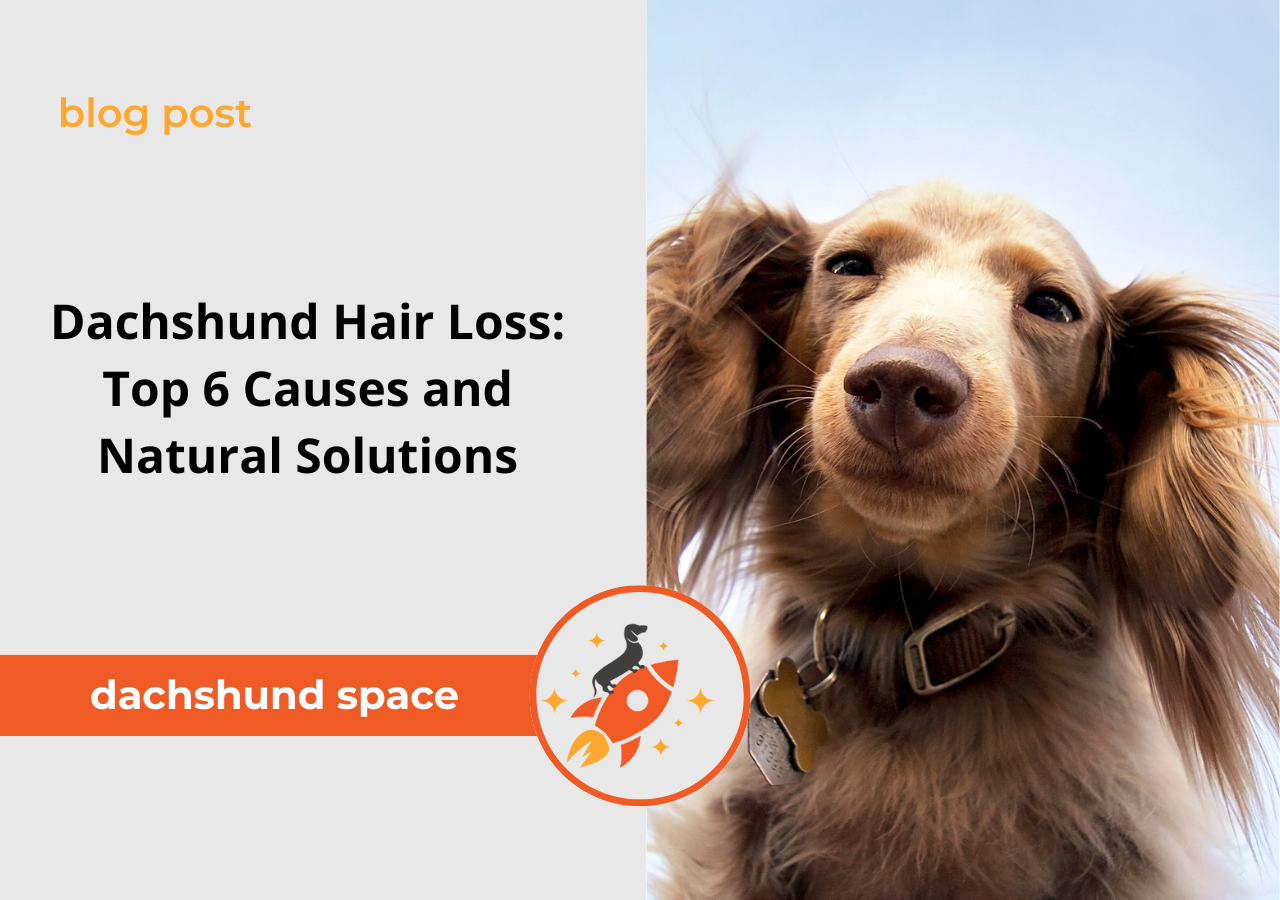
Hair loss in Dachshunds can be puzzling. One day your pup has a full coat, the next there are bald patches or thinning fur. Dachshunds naturally shed their undercoats seasonally, but dachshund hair loss beyond normal shedding often points to an underlying issue. Causes range from genetics and allergies to parasites or hormonal imbalances.
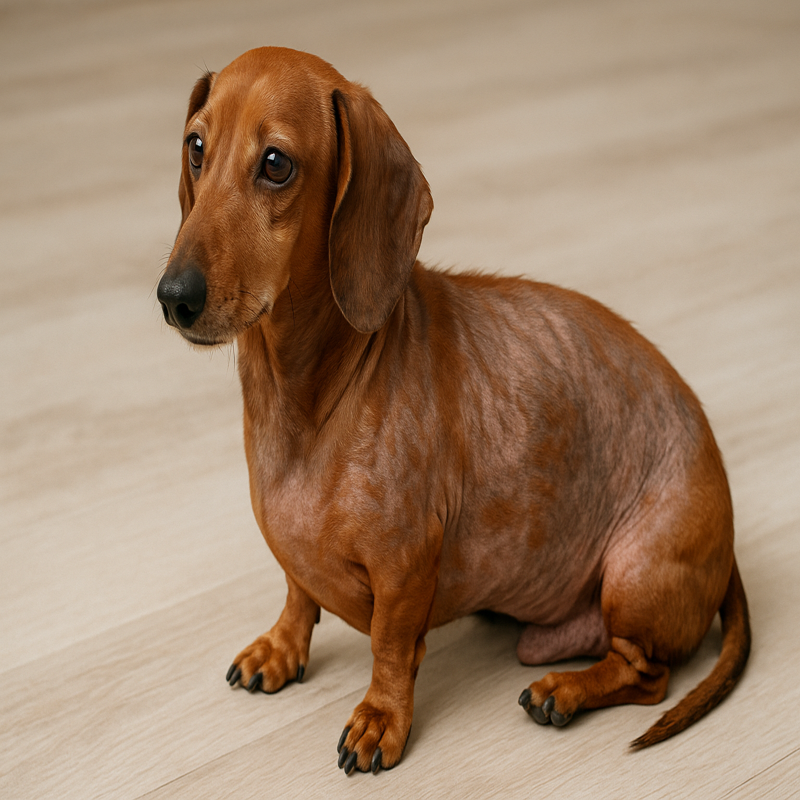
Common culprits include fleas or mites (which trigger intense itching and scratching), skin infections, food or environmental allergies, and hormonal problems like hypothyroidism or Cushing’s disease.
Common Causes of Dachshund Hair Loss
Dachshunds are one of the breeds predisposed to alopecia, so hair loss isn’t unheard of. Besides Doxies, hair loss is also common in Frenchies and English bulldogs. Here are the top triggers for your Doxie’s hair loss:
- Parasites (Fleas & Mange):
Flea bites can cause itching and Flea Allergy Dermatitis, leading to scratching and hair loss. Demodex or Sarcoptes mites (mange) cause intense itching, redness and patchy bald spots. In fact, sarcoptic mange often shows as hair loss along the ear margins, elbows and body, with scabby skin.
- Allergies:
Dachshunds can react to foods, pollen or household allergens. Allergic itch makes them lick or scratch at the same spots, causing fur to wear away. In most cases, Dachshunds love to scratch the spots behind their ears. As you can guess, excessive scratching can lead to ear infections and other problems in your pooch. Therefore, make sure your dog has healthy skin around the ears. Excessive scratching can also damage their hearing and balance center.
Food allergies or environmental allergies (atopic dermatitis) can trigger hair loss on the belly, groin or paws. So, our advice is to visit your vet from the first symptom of excessive scratching you notice.
- Hormonal/Endocrine Issues:
Conditions like hypothyroidism or Cushing’s disease disrupt hair growth. A “rat-tail” (thinning tail fur) is classic for hypothyroid dogs, and Cushing’s often causes generalized thinning along the back and belly. These hormonal imbalances are diagnosed by blood tests, so see your vet if you notice slow-growing coats or other signs.
- Genetics:
Some Dachshunds inherit pattern baldness (such as pinnal alopecia), where hair on the ears and neck thins out by adulthood. This is usually harmless but permanent. Color dilution genes (blue or fawn coats) can also cause hair loss (color dilution alopecia) by 6–12 months of age.
- Skin Infections:
Bacterial or fungal infections (like ringworm) can create circular bald patches with scaly skin. These often occur as a secondary issue from scratching. Ringworm lesions are often round, crusty, and may clear in the center as they enlarge.
- Diet & Grooming:
A poor-quality diet lacking essential nutrients (especially fatty acids) can dull the coat and lead to shedding. Likewise, harsh shampoos or over-bathing can dry out skin. Even stress or tight collars cause friction alopecia (rubbing creates bald spots).
Most of the time, hair loss in Dachshunds isn’t life-threatening, but pinpointing the cause is key. A vet will likely examine your dog, do skin scrapings for mites, allergy tests, or bloodwork. Meanwhile, you can take steps at home to soothe your Dachshund’s skin and encourage regrowth.
Dachshund Hair Loss on Ears
One distinctive sign is hair loss on the ears. Some Dachshunds develop pinnal alopecia, a genetic thinning of ear hair often seen by age 1.
The skin looks normal and doesn’t itch, so it’s mainly a cosmetic issue. In other cases, hair loss on the ears can signal parasites. Scabies mites (Sarcoptes) love the edges of the ears, causing intense itching and patchy bald areas.
You might also see ear infections or wax build-up from allergies. If you notice your Dachshund’s ear fur thinning, mention it to your vet. They may recommend a gentle hypoallergenic ear cleaner or a vet-prescribed shampoo. Applying diluted apple cider vinegar as an after-bath rinse (1 part ACV to 3 parts water) can help balance the skin’s pH and discourage mites or yeast overgrowth. Keep your dog’s ears clean and dry, and consider natural ear cleansers or micellar water wipes during allergy season.
Dachshund Hair Loss on Back and Tail
Hair thinning down the back and tail has its own causes. A telltale “rat tail” – a bare, rat-like hairless tip – often points to hypothyroidism or Cushing’s disease. Hormonal imbalances first make fur thin on the flanks, tail base and belly before spreading.
Seasonal flank alopecia is another possibility: some dogs lose patches of fur on their sides in winter (this occurs in Dachshunds too). Parasites can affect the tail, too – fleas jumping to the rear will make your Dachshund chew or rub its tail, causing hair loss. Remember, “dachshund hair loss on back” could simply be more noticeable shedding from seasonal coat change, but if it’s patchy or spreading, ask your vet.
In the meantime, boost your Dachshund’s coat health with omega-3 fatty acids or a fish oil supplement. A quality diet with omega-rich foods (like salmon oil) can strengthen skin and hair follicles. Gentle brushing also distributes natural oils along the back and tail.
Dachshund Hair Loss on Belly and Chest
Thinning fur on the belly or chest is common with allergies. Food sensitivities often manifest as itchy belly skin – your Dachshund might lick or chew its stomach, leading to bald spots. Environmental allergens (grass, dust mites) can similarly cause itchiness on the underside. Another cause is flea allergy dermatitis: even if you don’t see fleas, one flea bite can trigger chewing on the belly and tail base.
Conversely, some Dachshunds lose hair on the chest and tummy from stress or behavior. An anxious dog might obsessively lick its front or chew at its chest, creating localized bald patches. In such cases, enrichment (toys, exercise) and anxiety remedies (thundershirt, calming supplements) can help break the cycle.
If your puppy has a bald stomach, check also for ringworm. Circular, non-itchy patches on the belly or chest could be fungal. Ringworm lesions in dogs appear as round alopecia (often multiple) and may slowly grow outward. A Wood’s lamp exam or fungal culture will confirm this.
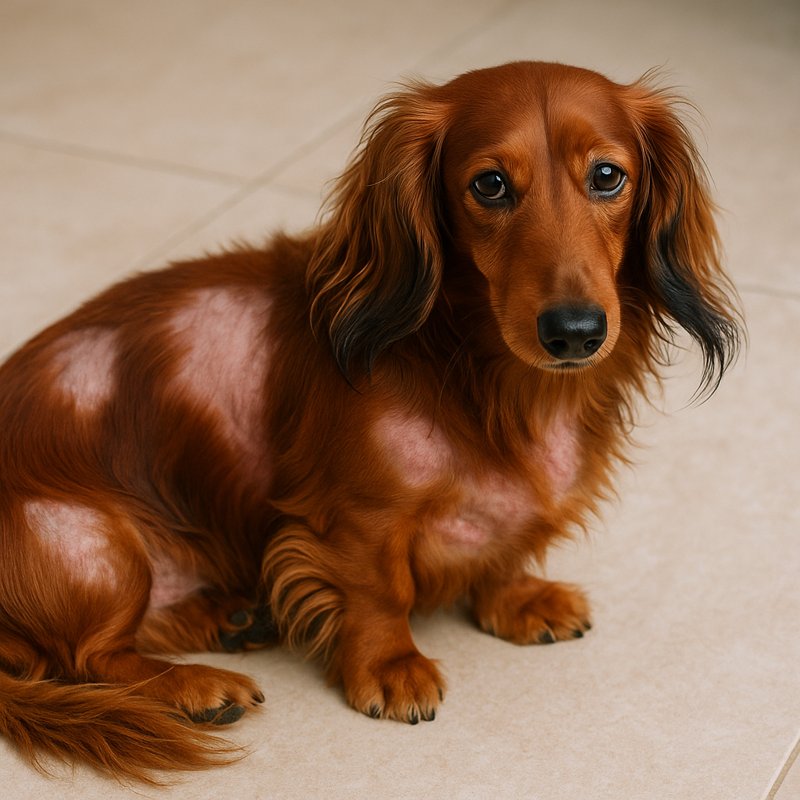
Dachshund Hair Loss Patches
Often hair loss appears as isolated patches rather than general thinning. These bald spots should raise flags for ringworm or mange. As mentioned, ringworm causes circular hairless areas (often on paws, head, tail), and it’s contagious to other pets and people. Demodex mange creates crusty, patchy areas on the face, paws or body. Look for scaling, redness, or tiny bumps in these patches. Yeast or bacterial infections can also give patchy hair loss with odor or greasy skin.
Here are quick things to watch in spots of hair loss:
- Parasite signs: Flaky, itchy skin? Use a flea comb or ask your vet for a skin scraping. Mange mites or fleas will need vet medicines.
- Ringworm test: Does the patch glow green under a Wood’s lamp? A vet can culture hairs to check for fungus.
- Allergen checklist: Note if hairless spots appear after walks (pollen season) or certain foods. Try an oatmeal bath (mix colloidal oatmeal into your dog’s bath water) to soothe the skin. Oatmeal is an anti-inflammatory that locks moisture into the skin and relieves itchiness. Add a tablespoon of coconut oil or olive oil to the bath for extra soothing.
- Watch behavior: If a spot flares after new shampoo, treat or food, suspect an allergy. Switch to a hypoallergenic diet or rinse body sprays with diluted apple cider vinegar. ACV rinse (50/50 with water) after baths can reduce yeast and bacteria on the skin, helping resolve itchy, inflamed spots. However, you need to be very careful when applying this solution to your Wiener dog’s skin if it has wounds or irritations.
Otherwise, your dog’s skin will start to sting and the sensation will be very uncomfortable. Red, scratched skin can be very problematic. It is prone to infections, so you need to be careful when treating it. In general, do not try to “cover up” the spots with products that might worsen irritation. Instead, focus on gentle care and professional diagnosis.
Dachshund Puppy Hair Loss
Puppies shedding some baby coat is normal, but pronounced dachshund puppy hair loss isn’t. If your pup is bald in places (like face, neck or paws), parasites like Demodex (common passed from mother) are often to blame.
Young puppies’ immune systems let mite populations explode, causing red, scaly patches. Hair may regrow after treatment. Another issue is color-linked alopecia which can start showing as the puppy gets older (6–12 months).
If your puppy has patchy loss, have a vet examine it for mites and do basic bloodwork. Good nutrition is key for growing pups – make sure your puppy food is high-quality and rich in essential fatty acids. Supplements like fish oil or flaxseed oil can promote healthy skin and early coat growth. Finally, avoid over-bathing puppies, which can dry out their developing skin. A gentle dish soap or puppy shampoo once a month is usually enough unless your vet advises more.
Miniature Dachshund Hair Loss
Miniature Dachshunds have essentially the same skin care needs as standard ones, so miniature dachshund hair loss follows similar patterns. However, smaller size can sometimes mean a little more sensitivity, and they’re often long-haired or wire-haired variants that require special grooming. Check any mini specifically for the same causes: coat color issues, mites, allergies and hormones.
One difference: tiny dachshunds have delicate skin, so harsh treatments or too-frequent shampooing can irritate them faster. Use a small dog brush suited to your pup’s coat type, and bathe with a mild, oatmeal-based shampoo. Our recommendation is to check the Dachshund Dog Brush. It features gentle metal pins that will easily collect the dead hair from Doxie’s body.
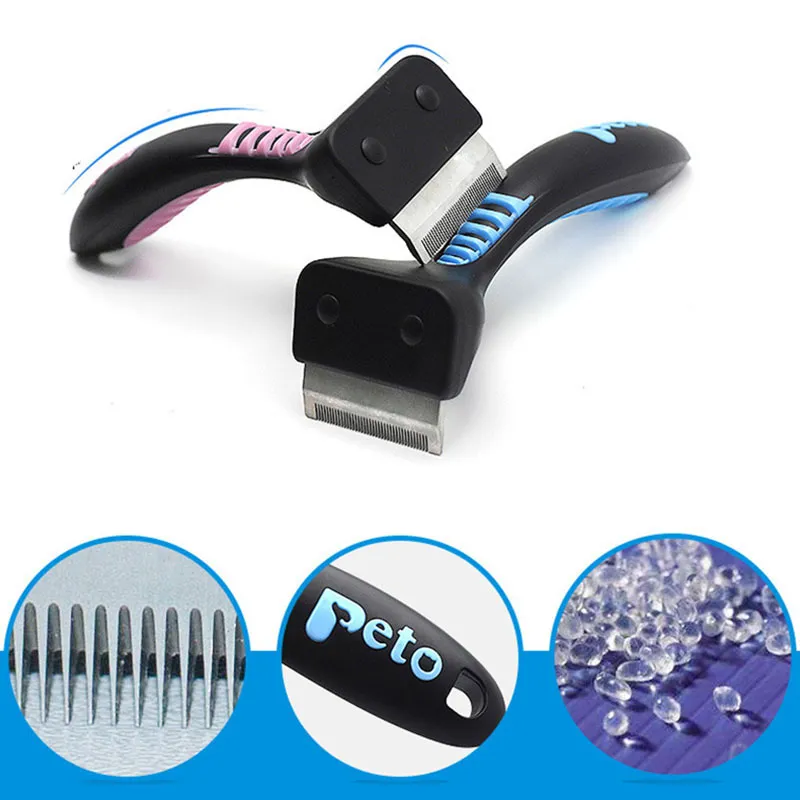
If you see thinning fur on a mini’s ears or tail, it’s likely the same pinnal alopecia or “rat tail” problem – still worth a vet check, but nothing unusual for the breed. Overall, monitoring and treatment is identical.
Natural Treatments For Dachshund Hair Loss
Many cases of Dachshund hair loss can be helped with natural care and home remedies. Start with diet and nutrition. Feed a balanced, high-quality dog food free of common allergens and rich in omega-3 fatty acids. Adding fish oil or flaxseed oil supplements can greatly improve coat health. A healthy skin barrier prevents irritants from causing flare-ups. In case your pet suffers from severe food allergies, then your vet will recommend you to switch him/her to an elimination diet.
For some pooches, raw diet will work best. There is nothing better than feeding your dog with raw meat, fresh veggies and fruits. That’s how they’ll use all the vitamins and enjoy all the benefits. You’ll be able to see the first results in just a few weeks.
Topical Care of Wiener dog’s hair
For topical care you can switch to a gentle, veterinary-approved dog shampoo. Consider an oatmeal or aloe vera shampoo to soothe inflammation.
For example, our shop offers a specially formulated 2-in-1 Shampoo & Conditioner for Dachshunds, enriched with coconut oil to fight bacteria and ease itchiness (see below). Daily or weekly bathing with a mild, moisturizing shampoo helps remove allergens from the coat.
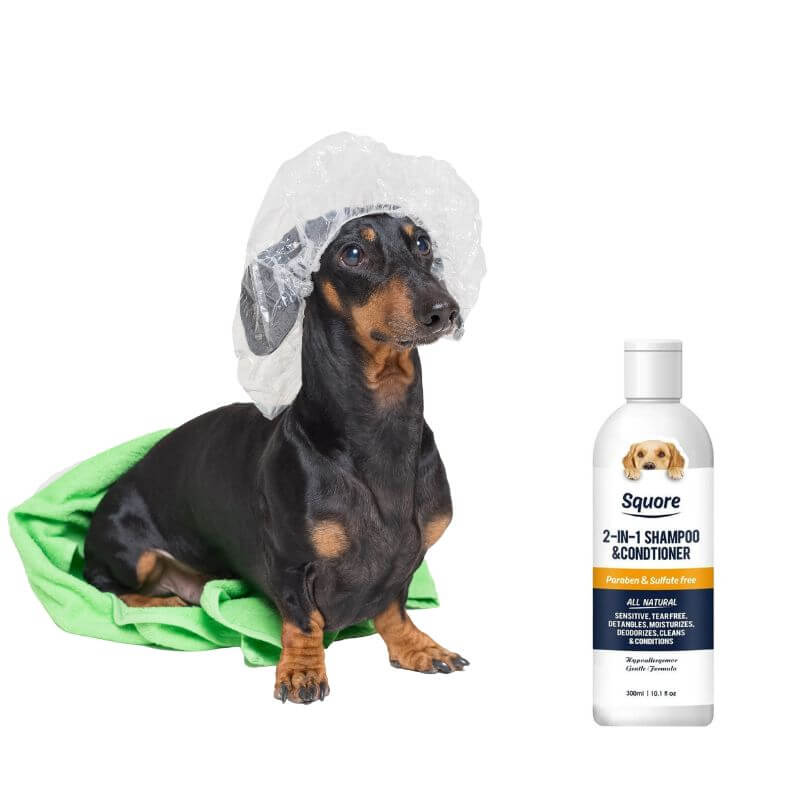
After bathing, rinse your Dachshund with a diluted apple cider vinegar solution (1 cup ACV per 2–4 cups water) to balance skin pH, kill surface yeast/bacteria, and even deter fleas. This is especially good for itchy or smelly coats.
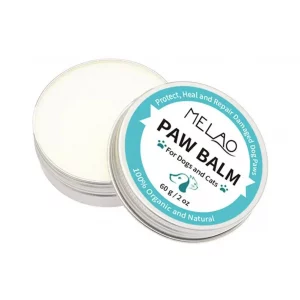
At home, give your Dachshund regular brushing to distribute natural oils. A bristle or rubber brush (for smooth coats) or slicker brush (for long/curly coats) will remove loose hair and prevent matting. Incorporate regular paw and tummy rubs. This massages the skin and lets you check for hot spots early. Keep nails trimmed and apply paw balm to cracked pads (paw licking can cause belly fur to thin).
Natural Tips to Prevent Hair Loss
- Hydrate Skin: Use natural oils (like topical coconut oil) sparingly on dry patches. Coconut oil has antimicrobial properties and can help eczema or yeast conditions. Gently rub a little onto affected skin, but be careful: dogs may try to lick it off. You can also apply Olive oil on minor skin irritations because it’s known for its anti-inflammatory features.
- Supplements: A vitamin E or brewers yeast supplement (with vet approval) can boost coat quality. Some owners see improvements adding probiotics or digestive enzymes, since gut health affects the skin.
- Clean Environment: Wash bedding in fragrance-free detergent, vacuum often (Dachshunds shed everywhere!), and use an air purifier if allergies are severe.
- Stress Reduction: Keep routines calm. Anxiety shampoos with natural ingredients (lavender, chamomile) can relax your pup.
If home care isn’t enough, ask your vet about allergy management. Sometimes antihistamines or a trial diet are needed. For persistent infections or parasites, professional treatments are necessary.
Dealing With Dachshund Hair Loss: Wrapping Up
Our shop carries gentle, dachshund-specific grooming products. The 2-in-1 Shampoo and Conditioner for Dachshunds blends coconut and aloe to clean and hydrate simultaneously. For daily use, their Dachshund Shampoo and Conditioner is pH-balanced and enriched with oatmeal extracts – it calms itchy skin and strengthens fur. Using a mild, breed-focused formula can prevent the drying or irritation that harsh products cause.
Finally, keep a photo diary of any bald spots. Dachshunds may scratch or chew without warning, so photographing a patch every week shows whether it’s improving or spreading.
If despite all care you see new sores, bleeding, or systemic symptoms (lethargy, weight loss), see the vet promptly. But in many cases, breaking the itch-scratch cycle with gentle shampoos, good diet, and a little TLC will help a Dachshund’s coat bounce back naturally.
For more Dachshund skin and care tips, check out our blog posts on related issues: Top 8 Tips To Avoid Dachshund Skin Problems and Dachshund Skin Bumps: Top 13 Reasons & Best Solutions. They cover grooming routines, diets, and remedies that complement what we discussed here. Good luck – with patience and care, your Wienerdog will get its shiny coat back!




 Dachshund Jackets & Coats
 Dachshund Hoodies
 Dachshund Sweaters
 Dachshund Shirts
 Dachshund Life Jackets
 Dachshund Costumes
 Dachshund Pajamas

 Dachshund Harnesses
 Dachshund Collars


 Dachshund Backpacks


2 thoughts on “Dachshund Hair Loss: Top 6 Causes and Natural Solutions”