

Everything You Need to Know About Dachshund Heat Cycle


The Dachshund heat cycle is a vital part of your furry friend’s reproductive health. Whether you plan to breed your dog or just want to manage their health and behavior, you need to understand this cycle. In this guide, we’ll cover everything you need to know about the Dachshund heat cycle including the stages, symptoms, care tips, and more.
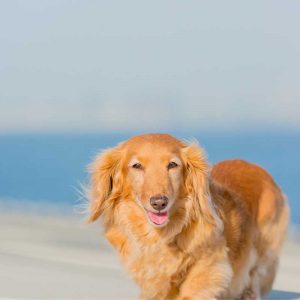
What is the Dachshund Heat Cycle
The Dachshund heat cycle also known as the estrous cycle is a natural reproductive process in female dogs. This cycle has several stages each with physical and behavioral changes. It starts when the dog reaches puberty which can vary depending on the breed and individual health.
Stages of the Dachshund Heat Cycle
The Dachshund heat cycle has four main stages: proestrus, estrus, diestrus and anestrus. Let’s break it down:
1. Proestrus
Proestrus is the first stage of the Dachshund heat cycle. This stage lasts about 7-10 days. You may notice:
- Swelling of the vulva
- Bloody vaginal discharge
- Increased urination
- Behavioral changes such as restlessness or irritability
At this stage the female is not yet receptive to mating but male dogs may start to show interest.
2. Estrus
Estrus is the second stage and is also known as the “heat” period. This stage lasts about 5-9 days. Characteristics of estrus are:
- The vulva remains swollen
- Vaginal discharge may become lighter and more straw colored
- The female is receptive to mating and may flag (lift her tail to one side)
This is the best time to breed if you plan to breed your Dachshund.
3. Diestrus
Diestrus follows estrus and lasts about 60-90 days. During this stage the dog’s body will either return to normal if no pregnancy occurs or will go into gestation. Signs of diestrus are:
- Decrease in swelling of the vulva
- Stop of vaginal discharge
- Normal behavior
If the dog is pregnant this stage will continue until the puppies are born.

4. Anestrus
Anestrus is the last stage of the Dachshund heat cycle and is a period of sexual and hormonal inactivity. This stage can last from 4-5 months. During anestrus the dog’s body rests and prepares for the next heat cycle.
Symptoms of the Dachshund Heat Cycle
Knowing the symptoms of the Dachshund heat cycle is important for proper care and management. Each stage of the cycle brings different physical and behavioral changes that can affect your dog’s health and behavior. Be aware of these signs and take necessary action to keep your dog comfortable and happy.
Physical Changes
During the Dachshund heat cycle your dog will go through physical changes. These changes are the body’s way of getting ready for potential mating and pregnancy. Key physical signs are:
- Swelling of the Vulva: One of the first signs of the Dachshund heat cycle is swelling of the vulva. This can be mild to extreme and is a clear sign your dog is in proestrus.
- Vaginal Discharge: You will see a change in your dog’s vaginal discharge. Initially it will be bloody and then become more watery and lighter in color as the cycle progresses. Monitoring this discharge will help you determine what stage of the cycle your dog is in.
- Increased Urination: Female Dachshunds in heat will urinate more. This is due to hormonal changes and is a way for the dog to mark her territory and signal to male dogs she’s in heat.
Behavioral Changes
Behavioral changes are another big part of the Dachshund heat cycle. These can vary from dog to dog but common behaviors are:
- Restlessness: Your Dachshund may be more restless or anxious than usual. This restlessness can show up as pacing, whining or increased activity levels. Make sure to provide a calm and safe space to help manage this anxiety.
- Increased Friendliness Towards Male Dogs: During estrus your dog may be more friendly towards male dogs. This includes seeking out male dogs, playing with them and displaying submissive postures. It’s a natural part of the cycle and means your dog is ready to breed.
- Aggression Towards Other Females: Some female Dachshunds may become more aggressive towards other females during their heat cycle. This can be due to competition for male attention or hormonal changes. Monitor interactions with other dogs and provide a safe space to manage this behavior.
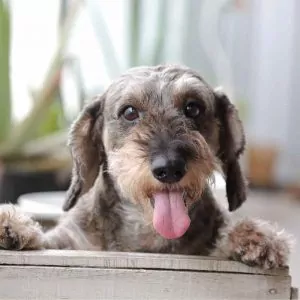
Appetite Changes
Appetite changes are common during the Dachshund heat cycle. This can go either way, some dogs will eat more and others will eat less. Pay attention to your dog’s appetite and adjust their diet accordingly.
- Increased Appetite: Some dogs will experience increased appetite due to hormonal changes. Provide nutritious and balanced meals to meet their dietary needs during this time.
- Decreased Appetite: Others will eat less due to discomfort or anxiety. If your dog’s appetite decreases significantly consult with your vet to rule out any underlying health issues.
Nesting
Nesting is another sign that can happen during the Dachshund heat cycle. This is caused by hormonal changes and the instinct to create a safe and cozy space for potential puppies.
- Gathering Soft Stuff: You may see your dog gathering soft stuff like blankets, pillows or clothing to create a nest. This is a natural response to hormonal changes and a sign your dog is in the latter stages of the heat cycle.
- Creating a Cozy Space: Your dog may also try to create a quiet and cozy space in your home. This means burrowing into bedding, hiding in quiet areas, or rearranging their sleeping area. Providing a designated nesting area will help your dog feel safe and comfy.
Caring for Your Dachshund During the Heat Cycle
Proper care during the Dachshund heat cycle is key to your dog’s health and happiness. Here’s what you can do:
1. Hygiene
Good hygiene is important to prevent infections and keep your dog comfortable. Here’s what you can do:
- Cleanliness: Clean your dog’s genital area regularly to remove discharge.
- Protective Wear: Consider using doggy diapers or heat pants to stop stains on furniture and floors.
- Bathing: Bathe your dog as needed but don’t over-bathe as it can dry out their skin.

2. Exercise
While your dog is in heat it’s important to continue exercising them to keep them physically healthy. But be careful:
- Leash Walks: Always keep your dog on a leash during walks to avoid male dogs.
- Enclosed Yard: If possible exercise your dog in a secure, fenced yard to prevent unwanted breeding.
3. Food
Make sure your dog is eating a balanced diet during the Dachshund heat cycle. If you see any changes in appetite talk to your vet about dietary changes.
4. Behavioral Management
Behavioral changes during the heat cycle can be tough. Here’s what you can do:
- Training: Reinforce basic obedience training to manage restlessness and grumpiness.
- Comfort: Provide a comfy, quiet space for your dog to rest and relax.
- Attention: Spend extra time with your dog to give comfort and reassurance.
Spaying and the Heat Cycle
Spaying is a common procedure that can stop the Dachshund heat cycle for good. It involves the removal of the ovaries and in some cases the uterus. Here’s what you get:
- Health: Reduces uterine infections and certain cancers.
- Behavior: Manages behavioral issues related to the heat cycle like aggression and restlessness.
- Population Control: Spays the dog population and reduces unwanted puppies.
Talk to your vet before you decide to spay your dog to know the best time and risks.
Breeding
If you’re going to breed your Dachshund, you need to know the Dachshund heat cycle. Here are the key points:
1. Best Breeding Time
The best time to breed your Dachshund is during estrus when the female is in heat. Monitoring physical and behavioral signs will help you know the best breeding time.
2. Health Check
Make sure both male and female dogs are healthy before breeding. Regular vet checks, vaccinations and genetic screening.
3. Responsible Breeding
Responsible breeding is key to the health and wellbeing of the puppies. Don’t overbreed and care for the mother and puppies during pregnancy and after birth.

Dachshund Heat Cycle FAQs
How often do Dachshunds come into heat?
Dachshunds come into heat twice a year, every 6 months. But can vary depending on the dog and its health.
How long does a Dachshund stay in heat?
The whole Dachshund heat cycle is 2-3 weeks but the estrus stage when the dog is in heat is 5-9 days.
Can I spay my Dachshund during the heat cycle?
It’s generally recommended to spay your Dachshund when they’re not in heat. Spaying during heat can increase the risk of complications due to increased blood flow to the reproductive organs. Talk to your vet for the best time.
How can I stop my Dachshund from breeding during the heat?
To prevent breeding, keep your dog indoors or in a secure fenced yard. Always supervise outdoor activities and consider doggy diapers or heat pants to manage discharge and deter male dogs.
Dachshund Heat Cycle: Wrapping Up
Knowing the Dachshund heat cycle is important for every Dachshund owner. By knowing the stages, signs, and care, you can keep your pet healthy and comfortable during this natural process. Whether you spay your dog or manage their heat cycles, knowledge and care are key to your Dachshund’s overall health.






 Dachshund Jackets & Coats
 Dachshund Hoodies
 Dachshund Sweaters
 Dachshund Shirts
 Dachshund Life Jackets
 Dachshund Costumes
 Dachshund Pajamas

 Dachshund Harnesses
 Dachshund Collars


 Dachshund Backpacks


One thought on “Everything You Need to Know About Dachshund Heat Cycle”