

Why Does My Dachshund Won’t Eat?


Is your furry friend suddenly turning up its nose at dinner? It can be worrisome if your dachshund won’t eat, especially since these little dogs usually get excited around mealtime. Often a refusal to eat is just a phase or preference, but sometimes it signals something more serious. We’ll explore common reasons why a dachshund might refuse food and how to encourage your picky eater to eat again.
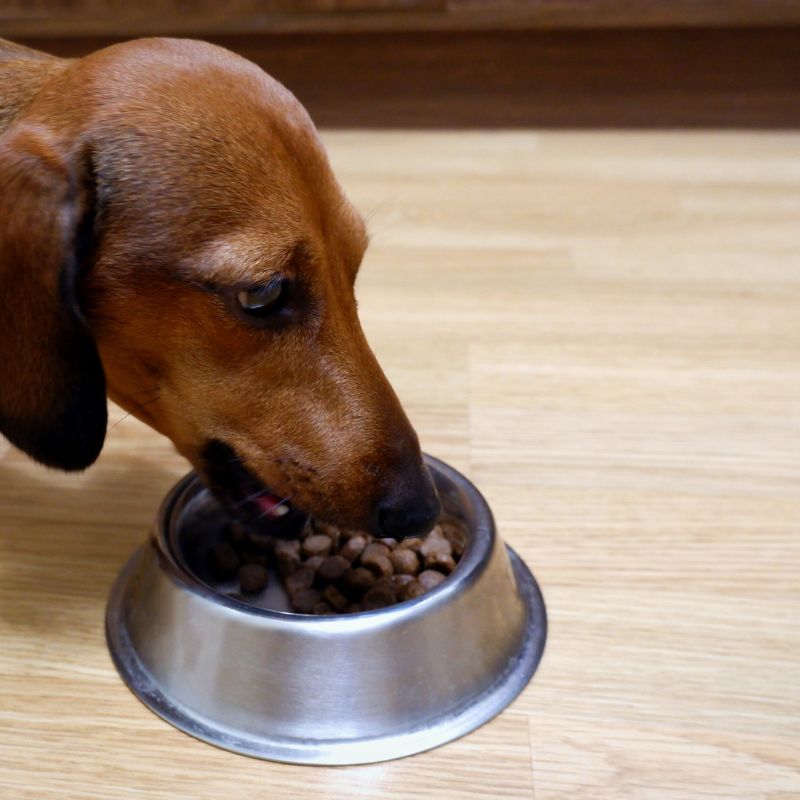
Why is my dachshund not eating?
Several factors can cause a dachshund not eating. Below are common culprits:
- Health or dental problems: Illnesses like stomach upset, infections, or dental pain can make eating uncomfortable. For example, gastrointestinal issues or dental decay might cause a loss of appetite. If your dachshund’s refusal to eat lasts more than a day or is paired with other symptoms (like vomiting, weight loss, lethargy), see your vet.
- Medication or treatment: Recent surgeries or new medications often reduce appetite temporarily. If your pup started a drug or medical procedure recently and then stopped eating, this side-effect could be to blame.
- Dachshund picky eater: These pups can get bored of the same food. If your dachshund picky eater won’t touch his kibble but begs for treats or human food, he might simply crave variety. Try offering different flavors or adding tasty toppers to meals. For example, you can add a little bit of yogurt, peanut butter, or a few spoons of coconut or oil oil to his meal. In that way, he will taste something new and become more interested in finding out what it is. Read our blog post about How to Choose The Best Dog Food For Dachshunds?. It will help you decide on what will
- Stress or environment: Changes at home (like moving, a new pet, or renovations) can upset a sensitive dachshund. A chaotic or noisy feeding area might make them anxious and skip meals.
- Emotional issues: Dachshunds are sensitive dogs. Separation anxiety, grief, or other upheavals can make them depressed and lose interest in food. Even relocation to a new home can be stressful for our pooches. A lost of a family member or another pet can also leave a deep stress on your dog. Therefore, make sure you give him/her a support like you would give to any other human.
For example, some owners even say “my dachshund won’t eat dog food.” Often that’s just a picky phase – dogs who refuse their kibble but happily eat other foods usually just want variety.
Is it normal for dachshunds to not eat?
Skipping an occasional meal can be normal for a healthy dog. One vet guideline says if your dog skips a meal but seems fine otherwise, it’s usually safe to monitor them for 24 hours. However, if your dachshund won’t eat for more than a day, that’s not normal. In that case, or if other symptoms appear, you should contact your veterinarian.
How long can dachshunds go without eating?
A healthy dachshund should not go many days without food. Typically, vets say 2–3 days is the maximum a normal adult dog can handle. Going beyond that (especially past 3 days) can lead to organ damage and serious health decline. Puppies, seniors, or ill dogs tolerate even less. So don’t wait longer than a day or two to get professional help if appetite doesn’t return.
How can I get my dachshund to eat?
Here are some friendly tips to entice your finicky dachshund:
- Warm up or flavor the meal: Gently heat wet food or add a little warm, low-sodium chicken broth. The extra aroma can make the food hard to resist.
- Add tasty toppers: Sprinkle freeze-dried meat, a spoonful of pumpkin, or plain yogurt on the food. High-value toppings can lure a picky eater back to the bowl.
- Try bland home food: Offer boiled chicken and rice (no seasoning) or mix it into their kibble. Bland homemade meals can tempt dogs with upset stomachs. You can also boil carrot and a couple of slices of zucchini. They’re rich in
- Switch up the diet: If your dachshund won’t eat his regular kibble, try a different brand or canned food. High-quality canned food often has more protein and moisture than dry kibble, which many dogs find more appetizing.The last solution is to try homemade meals or raw diet. A raw or BARF diet can be especially beneficial for dogs who are prone to skin allergies. By switching your furry friend to this type of diet, you’ll be able to choose ingredients you want to feed them.
- Set the scene: Feed in a quiet, calm spot away from noise or distractions. A peaceful feeding area helps a nervous dachshund feel comfortable eating.
- Exercise first: A little playtime or a short walk can boost hunger. Active dogs often eat more readily after exercise.
- Limit treats: If he’s filling up on snacks or table scraps, cut back. Excessive treats can spoil his appetite for regular meals.
- Stick to a schedule: Feed at the same times each day and don’t free-feed all day. For example, give a set portion, leave it for 15–20 minutes, then take the bowl away if he doesn’t eat.
Sometimes owners search “dachshund won’t eat kibble but eats everything else” or “why won’t my dachshund eat his food but will eat treats?” – usually, it’s just pickiness. A dog who is picky won’t eat the meal you serve them, but will eat anything else. In these situations, it’s very important not to feed it with your food leftovers. Human food is rich in salt, spices, and oils. Those are all ingredients that can ruin your Doxie’s digestive system, cause allergies and runny stools.
Another common query is “my dachshund won’t eat his food but will eat human food”, which is usually just finickiness.
When to Call the Vet
If your dachshund refuses to eat and shows worrying signs, act quickly. Key red flags include:
- Refusing food and water: If your dachshund won’t eat or drink, seek emergency veterinary care immediately. If this condition lasts more than 24 hours, make sure you check for the underlying issues.
- Serious symptoms: Continued vomiting, diarrhea, or extreme lethargy along with appetite loss are warning signs. If your Dachshund shakes or also has a dry nose, then you should check for bacteria in their blood. Since they can be deadly and lead to sepsis, we recommend you to take your pet to the vet as soon as possible.
- Excessive thirst: If he’s drinking a lot but still refusing food, see a vet – it could signal diabetes. Note that diabetes can turn into a big problem and lead even to a loss of vision.
The veterinarian can run tests (bloodwork, X-rays, etc.) to diagnose hidden problems such as infections, organ disease, or pain that you might not see at home.
How to improve a Dachshund’s appetite?
Improving your Dachshund’s appetite can be both simple and rewarding once you understand what might be affecting their hunger. Here are some practical, vet-approved tips to help stimulate your Dachshund’s appetite naturally and safely:
1. Warm Up the Food
Warming your dog’s meal slightly (especially wet food) releases aromas and makes it more appealing. Just a few seconds in the microwave can make a big difference. Be sure it’s only lukewarm—not hot.
2. Switch Up the Protein or Food Type
If your Dachshund won’t eat kibble, try switching to wet food or adding variety with fresh-cooked options like boiled chicken or lean ground turkey. Some Dachshunds get bored with the same protein every day.
3. Add Healthy Toppers
Boost flavor and nutrition with natural toppers like:
- Bone broth (low sodium)
- Plain boiled chicken or beef
- Cooked pumpkin or sweet potato
- A spoon of plain Greek yogurt (if not lactose-intolerant)
- Crushed freeze-dried liver treats
4. Make Mealtime Fun
Turn feeding into a game by using:
- Puzzle feeders or slow feeders. Check out our Feeding Stick to turn your dog’s meals into a fun experience.
- Snuffle mats to encourage natural foraging
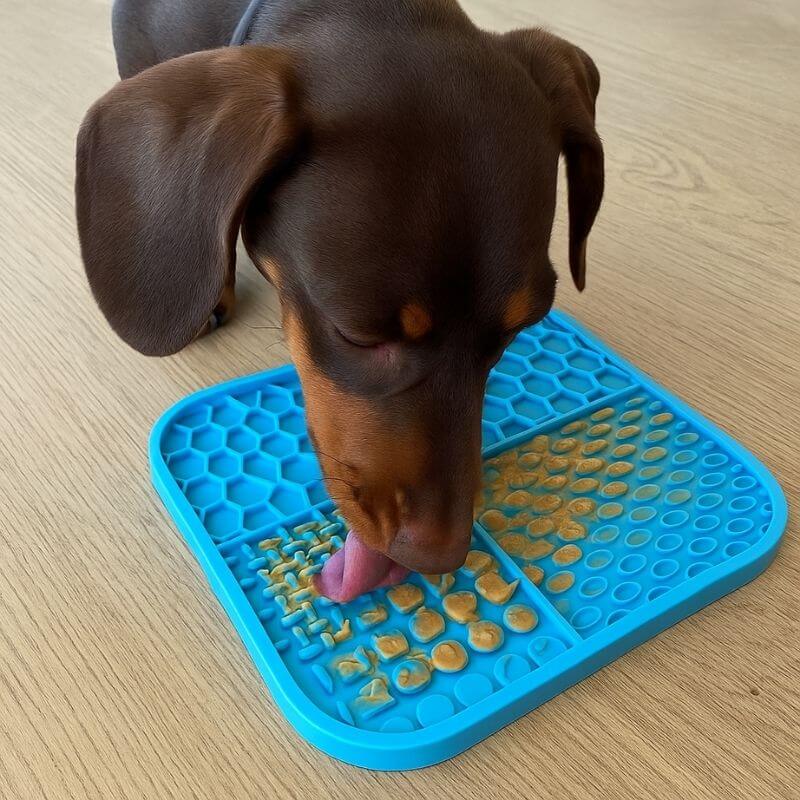
- Kibble scatter play across a towel or safe floor area
These activities engage your dog mentally and may build a positive association with eating.

5. Cut Back on Treats & Human Food
Too many snacks between meals? Your Dachshund may be “saving room” for the tasty stuff. Try:
- Reducing treats to only during training
- Completely stopping human food sharing at the table
- Sticking to a strict feeding routine
6. Stick to a Schedule
Feed at the same times daily. Leave the food down for 15–20 minutes—then take it away if untouched. This creates structure and gently encourages them to eat on time.
7. Boost Appetite with Gentle Exercise
A brisk walk or short play session before mealtime can naturally boost hunger and metabolism. Don’t go overboard—just a few minutes of activity can help.
8. Reduce Stress at Mealtimes
Dachshunds are sensitive! Make meals calm by:
- Feeding in a quiet, familiar spot
- Keeping other pets or kids away
- Avoiding feeding when there’s loud noise (e.g., TV, vacuum)
9. Try Natural Appetite Boosters (Vet-Approved)
Some pet-safe supplements or herbs like:
- Probiotics (for gut health)
- Ginger or fennel (in tiny dog-safe amounts)
- Vitamin B12 (with vet approval)
These can gently support digestion and appetite.
10. Check for Underlying Issues
If your Dachshund won’t eat for more than 24–48 hours, or shows other symptoms like lethargy, vomiting, or weight loss, contact your vet. Sometimes dental pain, tummy trouble, or even emotional stress needs professional help.
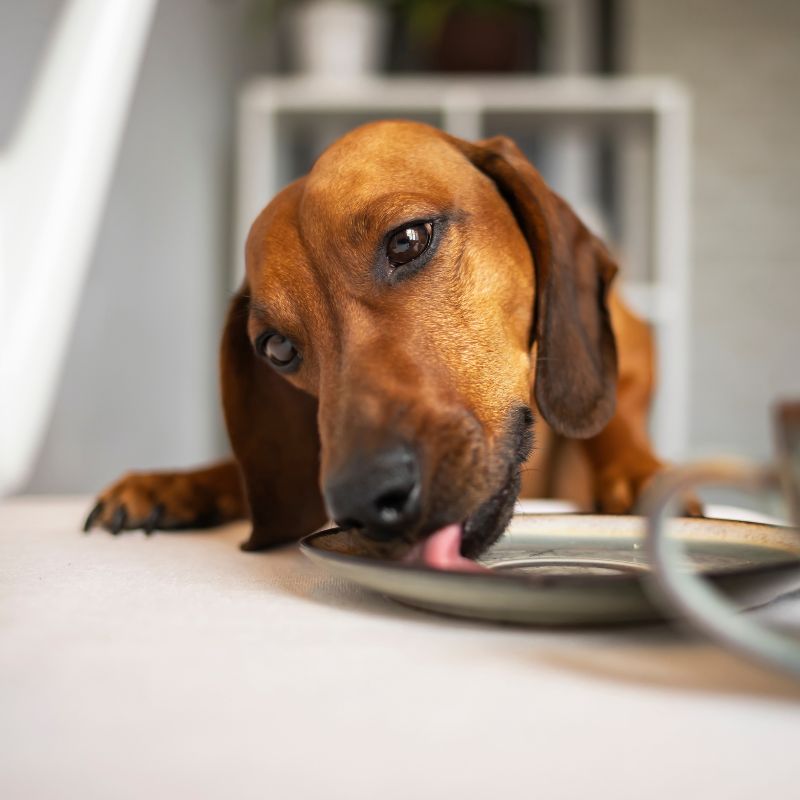
My Dachshund Won’t Eat: Conclusion
If your Dachshund won’t eat, rotating between different healthy proteins (chicken, beef, fish) can keep mealtimes exciting. Some owners even hand-feed a few bites at a time to rebuild appetite and trust. You might also try feeding in a new spot or using a slow-feeder toy for fun. Warming the food slightly (on low) can intensify aroma and attract their attention.
Throughout this process, stay calm and positive. If your dachshund senses that you’re worried, it can make him more anxious. Give gentle praise when he eats anything, even a tiny bite. Avoid punishing or forcing the issue – that will only make mealtime a negative experience for your sensitive sausage dog.
Remember to keep fresh water available at all times, even if he’s not eating. You can flavor it lightly with broth to encourage sipping. Also monitor his weight: a couple of days without food won’t show much loss, but if he starts dropping weight or acting weak, that’s a signal to act.






 Dachshund Jackets & Coats
 Dachshund Hoodies
 Dachshund Sweaters
 Dachshund Shirts
 Dachshund Life Jackets
 Dachshund Costumes
 Dachshund Pajamas

 Dachshund Harnesses
 Dachshund Collars


 Dachshund Backpacks


