

The Dachshund Raw Diet: A Complete Guide

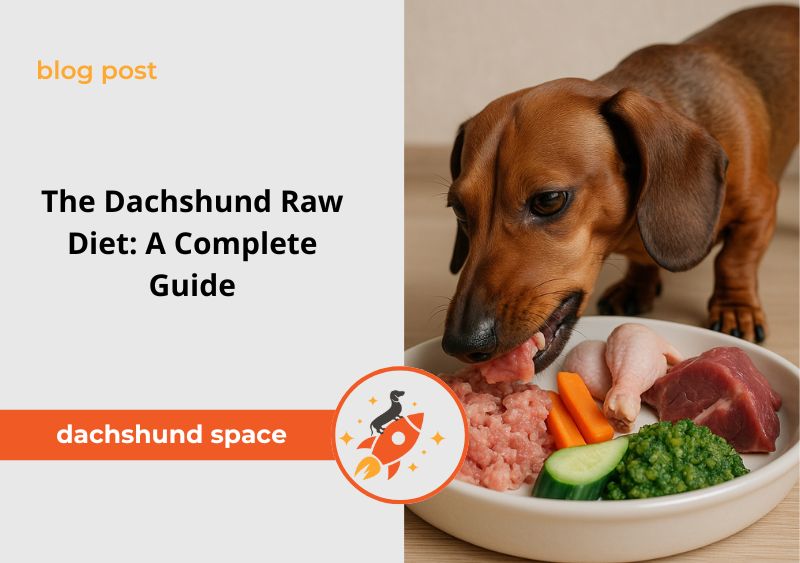
If you’ve recently welcomed a dachshund into your home, then you’re probably wondering what type of diet to choose for him/her. Choosing the right one might sound difficult especially if your Wiener dog is prone to allergies or digestive issues. That’s why we decided to introduce you to the Dachshund raw diet and how to properly choose the ingredients.
What is a Dachshund Raw Diet or BARF diet for Dachshunds?
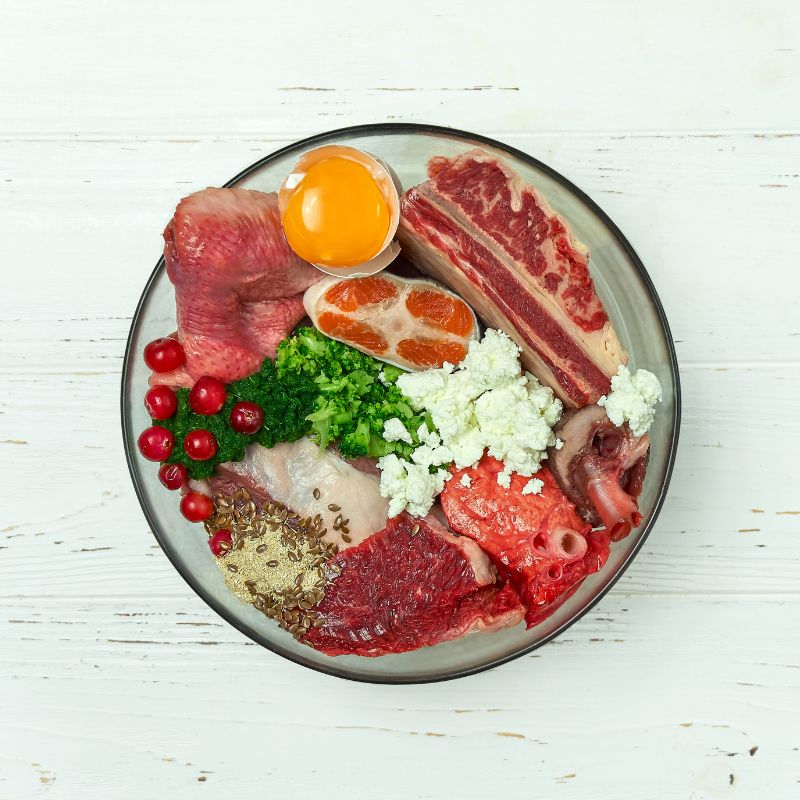
Raw feeding means giving your doxie uncooked meats, bones and organs instead of processed kibble. In practice, a “dachshund raw diet” usually includes things like raw chicken thighs or turkey necks (with bone), chunks of beef or pork, and organ meats (like liver or heart), often mixed with a bit of dog-safe fruit or veggie. Maybe it sounds weird that your dog will eat these ingredients, but in fact, it’s in our dogs’ genes to eat that way. As we all already know, dogs descended from wolves, and in the wild, they fed on raw meat.
Proponents point out that this mimics the ancestral wolf diet. For example, a typical raw plan might be about 70–80% muscle meat, 10–15% edible bones, 10–15% organs (half of those being liver), plus a little produce or dairy for extra nutrients.
Therefore, a dachshund raw food diet is basically a bowl of fresh meat and wholesome ingredients, designed to pack in natural nutrients and proteins rather than fillers.
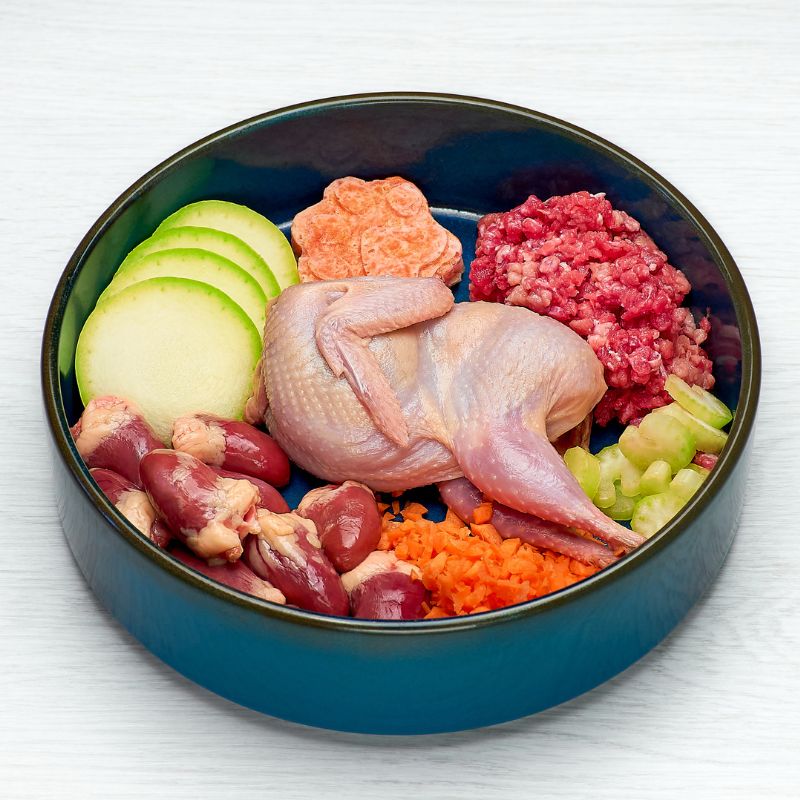
In a raw diet, you might feed your dachshund things like ground chicken mixed with minced vegetables, chunks of beef neck for gnawing, or even whole quail eggs.
This approach is quite different from regular dry food. For instance, one raw-feeding guide notes that your dog’s digestive tract hasn’t evolved to handle high-carb kibble, so a fresh, meat-based diet better fits their biology. In other words, instead of a bowl of processed kibble, imagine a “home-cooked” menu – only uncooked!
What Are The Benefits of the Dachshund Raw Diet?
Many owners report big perks on a raw plan. Dachshunds on a raw food diet often develop shinier coats and healthier skin, since raw meals are rich in natural omega-3s (from meats and eggs).
Chewing real bones and meat also acts like nature’s toothbrush. As your pup crunches on a raw turkey neck or chicken wing, plaque is scraped off their teeth. That’s how your dog freshes his/her breath and stronger gums. Dogs tend to gulp kibble quickly, but bigger chunks of raw meat or bone slow them down.
This not only aids digestion but can also reduce bloat risk – a useful bonus for the long-bodied dachshund. And because raw diets contain minimal carbohydrates and fillers, many doxies stay leaner on them. Owners often see more stable energy levels (no big sugar spikes from kibble) and even easier weight control. In short, a healthy raw food diet for dachshunds can mean a gleaming coat, smaller poops (a sign of better digestion), and a sprightly, happy pet.
Of course, not every pup will see miracles, but the trends are encouraging. Switching to a raw diet means stepping into fresher, more natural nutrition… Your pup will love the taste, and you’ll love the results. Indeed, raw-fed dachshunds often enjoy food more and seem more alert and energetic than before. Just remember, while many vets and experts praise these benefits, others warn of hygiene issues (see below).
Creating a Balanced Raw Meal Plan
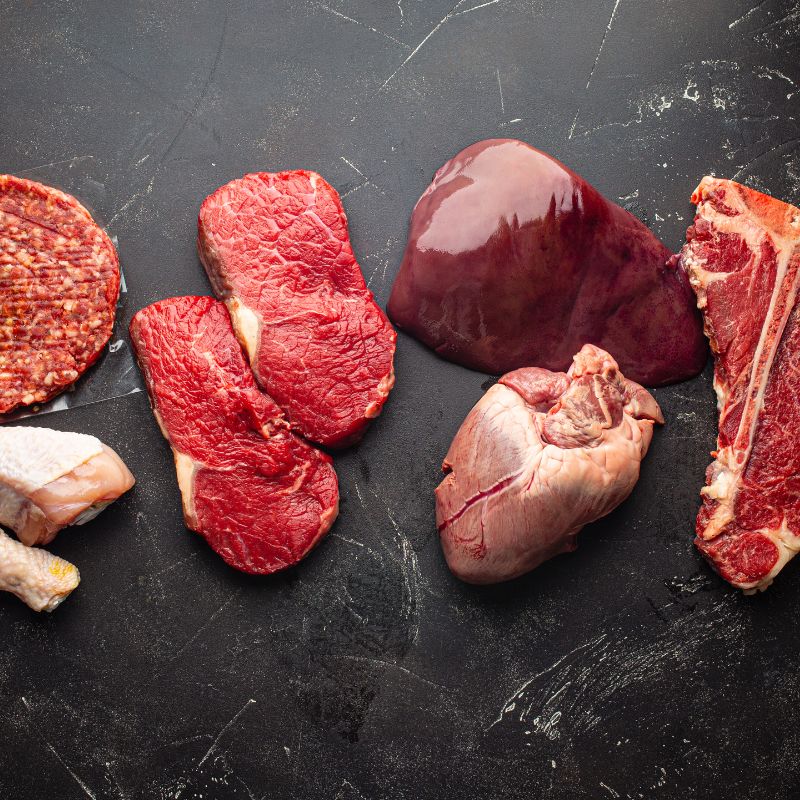
Putting together a nutritious raw diet takes a little planning. The goal is balance: you need muscle meat for protein, raw edible bone for calcium and minerals, plus organ meats for vitamins.
A handy guideline (called the BARF method) is 70% muscle meat, 10% bone, 5% liver and 5% other organs, plus about 10% veggies or fruits. For example, you could feed a mix of raw chicken (meat), a turkey neck (bone), and a spoonful of beef liver and ground spinach mixed in. Over a week, you’d rotate proteins (chicken one day, beef the next, etc.) to cover a spectrum of nutrients. Commercial raw diets often do this calculation for you. If making homemade, consider using a recipe calculator or consulting a nutritionist.
A daily raw feeding plan might look like this: give about 2–3% of your dog’s body weight per day (see below) split into two meals.
In one meal you might serve ~70% chicken muscle and bone (like chopped leg meat plus soft spine or wing), plus ~15% organ (like liver), and a few raw veg pieces for fiber.
The other meal might be 80% beef muscle, 10% bone (ground with grinder or small marrow bone), 10% mixed organs, with maybe 5% fruits like blueberries or an egg. You can add a dash of yogurt or an egg shell (ground up) for extra calcium if needed.
As you can see, raw diets can be rich and diverse. Many owners find they need less volume of raw food than kibble because it’s higher in moisture and nutrients. A typical guideline is 2–3% of body weight daily for adults. For example, a 4 kg (9 lb) Dachshund at 2.5% would eat about 100 g of raw food per day (two ~50 g meals). Puppies, however, eat a higher percent of their weight: a 10–16-week-old doxie might get up to 7–8% of its weight per day, split into 3–4 small meals, gradually tapering to adult levels by age 12 months. A sample meal plan for a small adult might be:
- Breakfast: Ground turkey with finely chopped carrots and a raw chicken neck (approximately 70% turkey, 15% bone, 15% organ).
- Dinner: Beef mince with spinach and egg yolk (80% beef, 10% veggie, 10% eggshell for calcium).
- Snacks/Treats: Raw meaty bones (like chicken wings) or organ blends.
The key is variety and balance over time. If unsure, using a commercial raw diet product (or supplements) can simplify this mix. Also, always avoid foods toxic to dogs: no onions, grapes, chocolate, etc. (This is true for any diet.) Read our blog post on what are the best treats for Dachshunds and find out what treats are completely safe for your pooch.
Transitioning to Raw Diet For Dachshunds: Step-by-Step Tips
Switching your dachshund to a raw diet should be gradual. An abrupt change can upset their stomach and it can cause diarrhea and vomiting. A common transition schedule is:
- Week 1: Mix 25% raw with 75% old food (e.g. kibble).
- Week 2: Mix 50% raw, 50% old.
- Week 3: 75% raw, 25% old.
- Week 4: 100% raw.
Monitor your pup closely during each week. If your doxie has diarrhea, vomiting or excessive gas, slow down. Stay at the current mix for a few more days until their digestion adjusts. Many owners report slight loose stools for a day or two as the gut flora shifts, but it usually settles within a week.
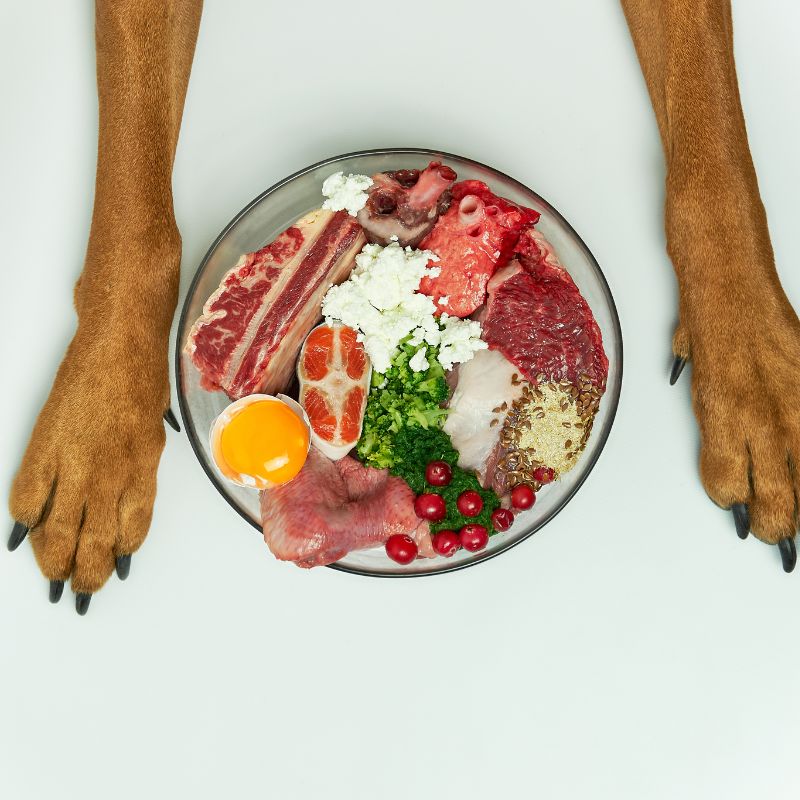
Switch to the BARF diet gradually
- Start Slow and Mix Well: Begin with tiny spoonfuls of minced raw meat in their regular meals. Gradually up the raw portion while cutting out the old food.
- Stay Hydrated: Raw diets have high moisture, but still always provide fresh water.
- Observe and Adapt: Keep an eye on appetite, energy, and stool quality. If stools are loose or your pup seems uneasy, add more bone or fiber, or pause the increase in raw portion.
- Chew Bones Safely: Never feed cooked bones (they can splinter). Raw chicken necks or lamb ribs are softer and safer. Always supervise chewing to prevent choking or swallowing large pieces.
- Variety Is Key: Once fully on raw, rotate proteins (chicken, beef, turkey, fish) daily or weekly. This avoids nutrient gaps and keeps meals exciting.
Some owners even switch one meal at a time (e.g. breakfast kibble, dinner raw) to ease transition. Generally, patience is the best strategy – the change can take 2–4 weeks, and every dog is different. If you follow the gradual plan above, most Dachshunds adjust smoothly to their new diet.
Special Cases: Puppies and Miniature Doxies
Small size and growing bodies need extra attention.
Puppies:
A dachshund puppy has higher needs, so use more frequent meals. Feed a raw puppy formula (commercially balanced puppy raw mix) or carefully scaled-down adult recipes.
Puppies (up to ~12 months) typically eat around 7–10% of body weight per day, divided into 3–4 meals. For example, a 2-kg puppy might start with ~160 g per day in week 7–10, then taper to 2–3% (about 50g per day) by adulthood. Include calcium-rich elements for bone growth (raw meaty bones, eggshell) and DHA from fish oil or salmon to support their development.
Because puppies are sensitive, some vets even recommend lightly cooking the first raw meals (just until edges heat) to ease the transition, then moving fully raw after a week or two.
Miniature Dachshunds:
Rabbit Dachshunds and miniature Doxies just mean smaller portions. The feeding percentages are the same, but measure carefully so you don’t overfeed – dachshunds are prone to weight gain, which stresses their backs. Tiny turkey necks, quail (with bone), or chopped up beef are good protein sources for minis.
Many mini owners find that “raw diet for miniature dachshund” helps maintain a lean physique, since there are no hidden carbs. Just remember: a 5 lb mini at 2.5% eats only ~56 g of food a day, so meals will look small (see the sample plan above for scale).
No matter age or size, always ensure any home-made raw is balanced. Some owners create weekly batch-prepared raw meals and freeze them in daily portions, which helps avoid ad-hoc imbalances. You might also alternate with raw-friendly kibble or cooked foods if needed for variety. Some vets even suggest mixing raw and kibble at mealtime can ease budget and balance. For a puppy with digestive issues, start with very soft proteins (like ground chicken) and gradually introduce bones.

Vet Advice and Safety Tips About Dachshund Raw Diet
Raw diets are popular, but they do come with warnings. Notably, veterinary associations urge caution. The American Veterinary Medical Association (AVMA) officially discourages feeding raw animal proteins to dogs and cats due to health risks from bacteria like Salmonella, E. coli and Listeria.
These germs can make dogs sick and can even be passed to people (especially kids, elderly or immunocompromised individuals in the household). You need to be very careful because raw or undercooked diets risk foodborne illness.
So what does this mean for you and your dachshund?
First, practice strict hygiene. Always thaw frozen raw in the fridge (not on countertops), wash your hands and utensils after handling meat, and clean bowls and surfaces thoroughly. If someone in your family is vulnerable (very young, pregnant, elderly), or if your dog has a compromised immune system, discuss raw feeding thoroughly with your vet before starting.
Importantly, consult a veterinarian or veterinary nutritionist whenever you make a big diet change. Many holistically-minded vets will work with you to formulate a balanced raw plan or suggest supplements. For example, a balanced raw diet shouldn’t need extra vitamins if done right, but some owners add a multivitamin or fish oil just in case.
On the positive side, many commercial raw food brands are formulated to AAFCO standards (the same nutritional testing required of kibble). Every raw diet from reputable manufacturers must pass nutrient analysis to be compliant.
Using a vetted commercial raw product can take the guesswork out of balancing meals. If you do go DIY, consider investing in a gram-scale and bone-grinder, and use a recipe checklist (several online calculators and books can guide you).
Finally, watch your dachshund’s health closely. On raw, pups often have smaller, firmer stools, good muscle tone, and healthy coats – all good signs. But any sign of poor appetite, rapid weight loss, digestive upset, or very strong smells can signal an imbalance. If that happens, stop raw immediately and get veterinary advice.
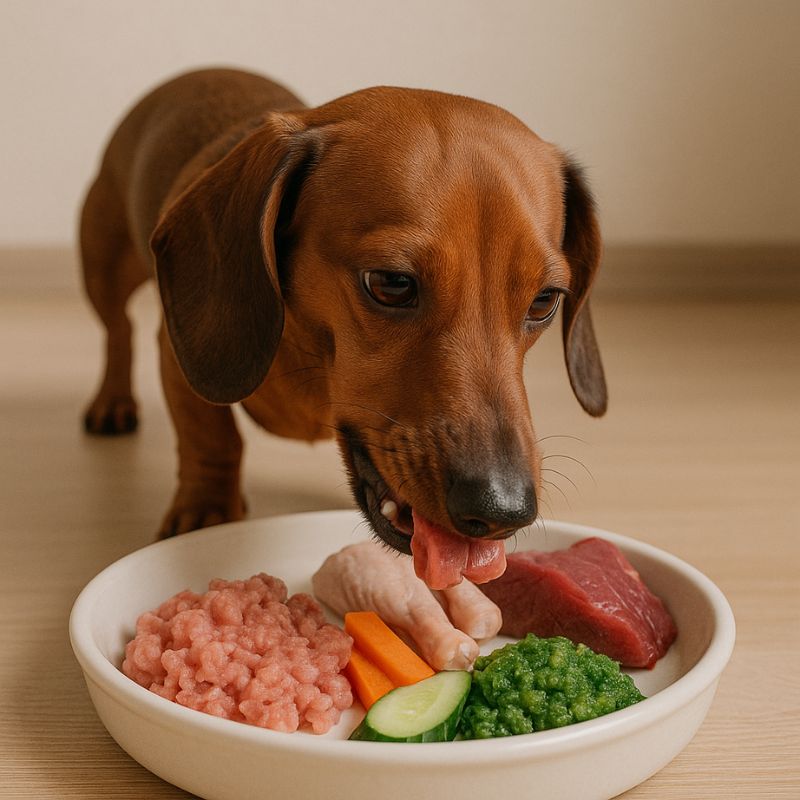
Choosing the Right Diet For Your Dachshund: Conclusion
Feeding a raw diet to your dachshund can be rewarding and healthful, but it takes commitment. In this guide we’ve covered what goes into a proper raw menu, the many benefits owners report, and the risks and precautions to consider. You’ve seen how to assemble meals (roughly 70% meat, 10% bone, 10% organ) and how to transition slowly over weeks, adjusting amounts to your dog’s size and life stage. We all know that choosing the right dog food for your Dachshund isn’t easy. Every dog is an individual. Some Dachshunds do splendidly on a dachshund raw diet, while others may do just fine on high-quality kibble or a mix. If you decide to go raw, educate yourself, keep portion sizes appropriate, and make safety your priority. With the right plan and veterinary input, your dachshund can potentially enjoy the natural nutrition of raw feeding and all the benefits that come with it.






 Dachshund Jackets & Coats
 Dachshund Hoodies
 Dachshund Sweaters
 Dachshund Shirts
 Dachshund Life Jackets
 Dachshund Costumes
 Dachshund Pajamas

 Dachshund Harnesses
 Dachshund Collars


 Dachshund Backpacks


3 thoughts on “The Dachshund Raw Diet: A Complete Guide”