
Separation Anxiety in Dachshunds: The Best Treatment Tips & Tricks


Imagine a scenario where your departure for work turns your home into a stage for a Dachshund drama – complete with howls and household havoc. This isn’t just a minor inconvenience. It’s a sign of separation anxiety in Dachshunds, a condition all too common and often misunderstood. This guide aims to demystify this condition and offer practical solutions to help your four-legged friend cope better when you’re away.
What is Separation Anxiety in Dachshunds?
Separation anxiety in dogs is akin to a severe case of homesickness. It’s more than just a whimper or a sad look; it’s an intense stress reaction that manifests through a variety of behavioral problems. Imagine your pooch turning into a furry escape artist or a solo interior decorator (and not the kind you’d hire) whenever you leave. That’s separation anxiety for you.

The Dachshund’s Distress: Recognizing the Signs of Dachshund Separation Anxiety
Your mission, should you choose to accept it, involves spotting the signs of separation anxiety in your Dachshund. This includes Sherlock-Holmes-level observation for behaviors like excessive barking, destruction, and escape attempts. Don’t forget the physical clues like drooling or panting, which are akin to doggy distress signals.
- Excessive Barking or Howling:
One of the aspects of separation anxiety in Doxies is that a dog will frequently and persistently bark or howl when left alone. Since it’s difficult to discover whether your dog howls and barks when you leave him/her alone, we recommend you to ask your neighbours about it.
- Destructive Behavior:
This includes chewing, digging and destroying household items. Doors and windows can become ruined when dogs either try to escape or run to their owner.
- Pacing:
When separated from their owner, some dogs walk or trot along a fixed path in a set pattern. This suggests that they are restless and anxious.
- Urination and Defecation:
While house-trained, a dog with separation anxiety may urinate or defecate in the house when left alone because it is stressed. These accidents can begin to happen very often especially if you don’t connect them with anxiety on time.
- Escaping:
When you’re not around, your Doxie might attempt to escape from a restricted area. Such attempts could lead to self-injury and other damages as well.
- Excessive Drooling or Panting:
These are symptoms of stress and anxiety in dogs. Perhaps you will find an evident increase in saliva, or heavy breathing apart from physical exertion.
- Coprophagia (Eating Feces):
Some separation anxiety sufferers will eat their own feces. This is usually a distress knob and to respond one must start at the bottom of the stack.
- Change in Eating Habits:
Separation anxiety in dachshunds may also take the form of refusal to eat or changes in appetite when left alone. Stress has an impact on their eating behavior.
- Attempts to Follow the Owner:
When the owner is preparing to leave, the dog can become very sticky, or even be suffering.
- Changes in Behavior:
General changes in temperament, including greater clinginess or anxiety (especially before you have to leave the house), are also included.
Knowing these symptoms is an important step in recognizing and managing separation anxiety in Dachshunds.

Why are Dachshunds prone to separation anxiety?
Dachshunds, the charming weiner dogs, are known for their unwavering loyalty. This endearing trait, however, makes them more prone to separation anxiety. Their strong attachment to their humans is heartwarming but can also set the stage for panic when left alone.
Diagnosing the Doggo: When to Seek Professional Help
If your Dachshund’s behavior suggests a case of separation anxiety, it’s time to consult a veterinarian or a canine behaviorist. They’re the doggy detectives who can decipher whether your pooch’s antics are due to anxiety or something else entirely.
Creating a Canine Castle: Managing the Environment
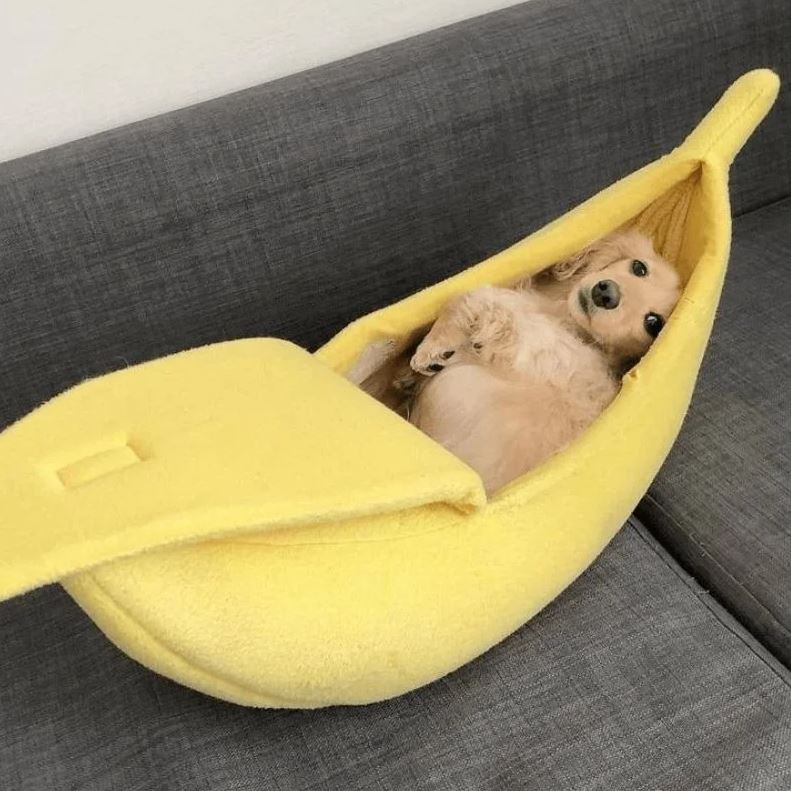
Your home should be a safe haven for your Dachshund. This involves creating a cozy, personalized space that feels secure even in your absence. A consistent routine also helps, providing a sense of predictability and security. To help your pet feel safe and snug, we recommend you to take a look at our collection of Dachshund Beds.
Training Methods to Treat Separation Anxiety in Dachshunds
If your Dachshund freaks out every time you leave the house, don’t worry—you’re not alone. With a little patience and consistency you can help them feel less panicky when you’re gone.
Desensitization and Counter-Conditioning
Here’s the deal: your pup needs to learn that your leaving doesn’t mean the end of the world. Desensitization works by gradually getting your dog used to being alone. Start small—leave the room for a few seconds, then gradually increase the time. Pair this with counter-conditioning by making your departure a positive thing. For example, give them a special treat (like a puzzle toy filled with peanut butter) only when you leave. Soon they’ll think, “You’re leaving? Sweet! Time for snacks!”
The Scent of Comfort: Leave Something Behind
Dogs have a superpower sense of smell and your scent can be a big comfort. Leave behind something that smells like you—an old T-shirt, a blanket or even a scarf. It’s like a security blanket for your pup, so they feel close to you even when you’re not around.
The Power of Love: Emotional Support and Bonding
Separation anxiety is often rooted in fear of losing their favorite human (that’s you!). Strengthening your bond can help. This doesn’t just mean playing fetch; it’s about spending quality time doing things they love, whether that’s snuggling on the couch, going for walks or teaching them new tricks. The more secure your Dachshund feels in your relationship the more they’ll trust that you’ll always come back.
Exercise Before You Leave
A tired dog is a calm dog. Before you head out make sure your pup gets plenty of exercise. Whether it’s a brisk walk, a game of tug-of-war or a few rounds of fetch physical activity can burn off that nervous energy and leave them ready to snooze while you’re away.
Medication: A Helping Paw
If your Dachshund’s anxiety is severe it’s time to talk to your vet about medication. This doesn’t mean you’re giving up—it’s just one more tool in your toolbox. Meds can help take the edge off so your dog can better respond to training and other strategies.
Thinking Outside the Dog Box: Alternative Therapies
Sometimes it’s not just about training—it’s about lifestyle. Try adding these into your routine:
-
Diet tweaks: Foods high in omega-3s or calming supplements might help.
-
More exercise: Physical activity releases feel-good chemicals in your dog’s brain.
-
Doggy yoga or massage: Yes, it’s a thing! Gentle stretches and massages can calm your pup.
-
Background noise: Leave the TV or some calming doggy music on while you’re out.
Call in the Cavalry: Professional Training and Behaviorists
If all else fails get professional help. A dog trainer or animal behaviorist can evaluate your Dachshund’s anxiety and create a customized plan for you and your pup. And they can teach you things you never thought of!
Prevention: Better Safe Than Sorry
The best way to handle separation anxiety? Stop it before it starts! Teach your Dachshund early on that being alone isn’t scary. Here’s how:
- Socialize them: Expose them to different people, environments, and experiences to build their confidence.
- Teach alone time: Start by leaving them alone for short periods, then gradually extend the time.
- Positive reinforcement: Reward calm behavior with treats or praise. Celebrate when they’re relaxed and chill while you’re gone!
How To Desentisize a Dachshund Before Leaving the House?
Desensitizing a dog to your departure is a gradual process that requires patience and consistency. Here’s a step-by-step guide to help your dog become more comfortable with being alone:
Start with Short Departures:
Begin by leaving your dog alone for just a few minutes. For example, step outside the door and come back in almost immediately.
Gradually increase the time you’re gone. After several days, extend it to 5 minutes, then 10 minutes, and so on.
Normalize Departure Cues:
Identify the actions you take before leaving that your dog recognizes (like picking up keys or putting on shoes).
Perform these actions several times a day without actually leaving. Pick up your keys, wander around the house, then put them back. This helps break the association between these cues and your departure.
Create a Positive Association with Your Departure:
Before leaving, give your dog a treat or a puzzle toy filled with treats. This creates a positive association with you leaving.
Special Dacshund Toys That Can Help in Easing Separation Anxiety
You can use special treats that they only get when you’re going away, making your departure a time to look forward to. We recommend you take a look at the Dachshund IQ Feeder Toy which can help you keep your furry friend occupied while you’re out. You should fill this interactive dachshund toy with dry kibble and as your dog turns the wheel, it will release the treats.
So, what can make your dog better occupied than a portion of tasty snacks?
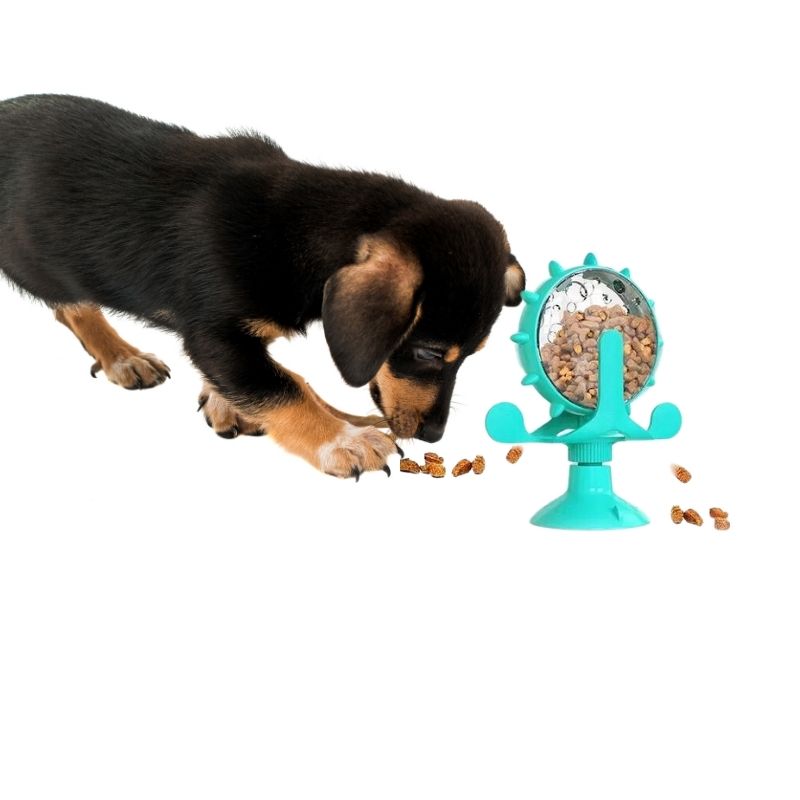
Interactive UFO Toy For Dachshunds is another interactive toy that can help your pooch stay entertained and become pleasanty tired while spending time alone. This toy looks like a UFO and it should also be filled with dry kibble. As your hot dog rolls it, it will release the snacks.

Do you know that dog puzzle games actually exist? Well, this Carrot Plush Interactive Dachshund Toy is one of those interactive toys that will make your dog’s mind work. The toy improves a dog’s intelligence, and what’s more important, you can also hide a small treat inside of each hole.

Establish a Comfortable Space:
Set up a comfortable, safe space for your dog. This could be a crate (if they’re crate-trained), a special room, or an area with their bed and favorite toys.
Encourage them to spend time there even when you’re home, so they view it as a safe and comforting place.
Practice Calm Departures and Arrivals:
When leaving and returning home, keep your demeanor calm and low-key. Overly emotional farewells and greetings can heighten anxiety.
A calm “goodbye” or simply leaving without fanfare can set a more relaxed tone.
Why Socialization Matters for Your Dog?
Socialization is a big part of raising a happy, confident and well adjusted dog. It’s about introducing your pup to new people, animals, environments and experiences in a positive way. Think of it as building their “life skills” so they can navigate the world without fear or stress.
But what has socialization got to do with separation anxiety? A lot actually. Let’s get into it.
Socialization and Separation Anxiety
Confidence
Well socialized dogs are more confident in new situations. They learn early on the world is not a scary place. This confidence helps to reduce the fear of being left alone because they have been exposed to and overcome other challenges. A dog that is comfortable meeting new people or exploring new places is less likely to freak out when their favorite human is not around.
Reducing Fear of the Unknown
Separation anxiety in Dachshunds often comes from fear—fear of being alone, fear of being abandoned or fear of change. Proper socialization exposes your dog to many situations and teaches them how to cope. For example a socialized dog might think “Oh this is new, but I’ve done new things before—I’ll be fine.” That resilience carries over to when their owner is not around.
Teaching Independence
Socialization isn’t just about meeting people or other dogs; it’s also about being okay on their own. Dogs that are exposed to different environments (doggy daycare, parks, playdates) realize life can be fun without their owner right next to them. This helps to reduce clingy behavior and separation anxiety. It’s important to note that not only Wieners are prone to these issues. Both Yorkies and French bulldogs are prone to separation anxiety and velcro behavior.
Preventing Over-Attachment
A well socialized dog has a balanced life. They meet other dogs, interact with other humans and experience different activities. This variety prevents them from becoming too dependent on one person for all their emotional needs and therefore less likely to suffer from separation anxiety.
Early Bird Catches the Worm: Start Young
Socialization is especially important during a puppy’s critical development period (3-14 weeks). Early exposure to new experiences helps to hardwire their brain to cope with stress as an adult. While older dogs can be socialized, starting young gives your pup a solid foundation to be independent.
How to Socialize to Prevent Separation Anxiety in Dachshunds
-
Introduce New Things Gradually Whether it’s meeting strangers, other dogs or a new environment, go at your dog’s pace. Keep it positive with treats and praise.
-
Alone Time Teach your dog that being alone is okay. Leave them in a safe space with a toy or treat for short periods and gradually increase the time.
-
Positive Associations Link new experiences to things your dog loves like treats or playtime. For example give them a treat every time they meet a new person or go to a new place.
Separation anxiety in Dachshunds: Wrapping Up
Overcoming separation anxiety is no overnight task. It’s about consistency, being patient and maintaining support. Consider it a road of progress rather than an end result. Note that your main goal is to live with a happy and satisfied Dachshund.
Finally, dealing with Dachshunds’ separation anxiety is a journey that requires patience, comprehension and support. Being able to identify the signs, using good methods and investing in your Dachshund’s health can improve its quality of life.






 Dachshund Jackets & Coats
 Dachshund Hoodies
 Dachshund Sweaters
 Dachshund Shirts
 Dachshund Life Jackets
 Dachshund Costumes
 Dachshund Pajamas

 Dachshund Harnesses
 Dachshund Collars


 Dachshund Backpacks


24 thoughts on “Separation Anxiety in Dachshunds: The Best Treatment Tips & Tricks”