

Top 8 Tips To Avoid Dachshund Skin Problems

Doxies, like many other dog breeds, can face certain health issues. We humans can express our discomfort verbally, but our little Dachshunds? They rely on non-verbal cues. Continuous scratching, irritability, or even changes in behavior can indicate they’re in distress. Imagine having an itch you just can’t scratch! Frustrating, right? That’s what our furry pals go through. Since Dachshund skin problems can’t always be healed at home, we decided to help you find the best solutions.
3 Dachshund Skin & Coat Types
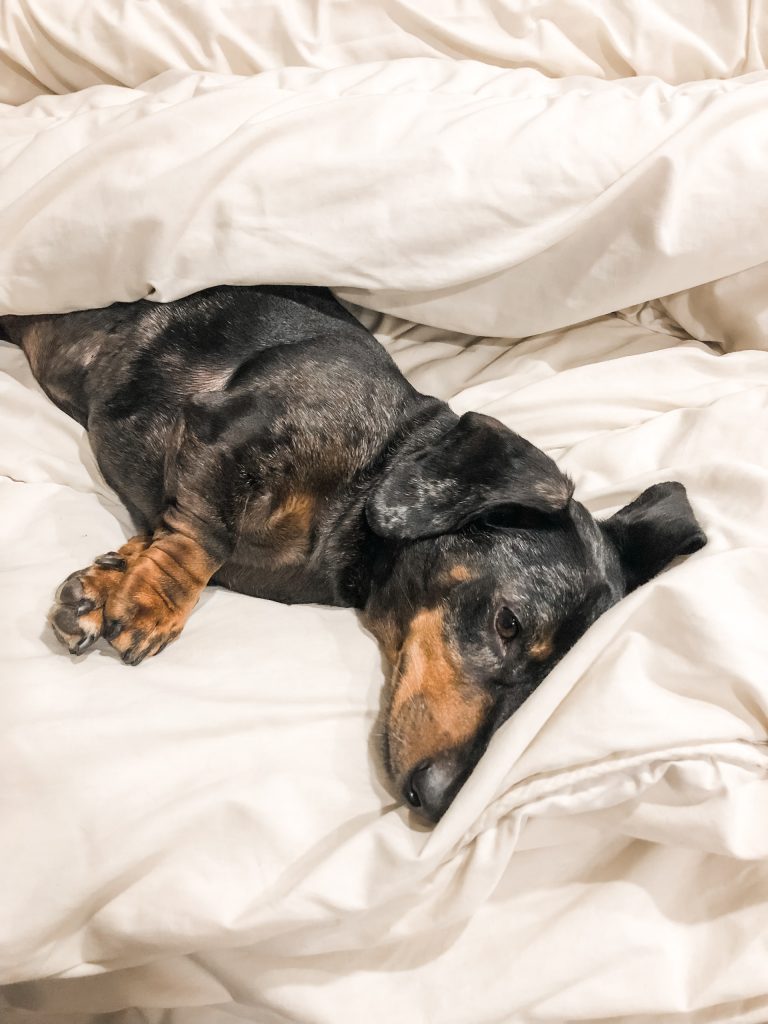
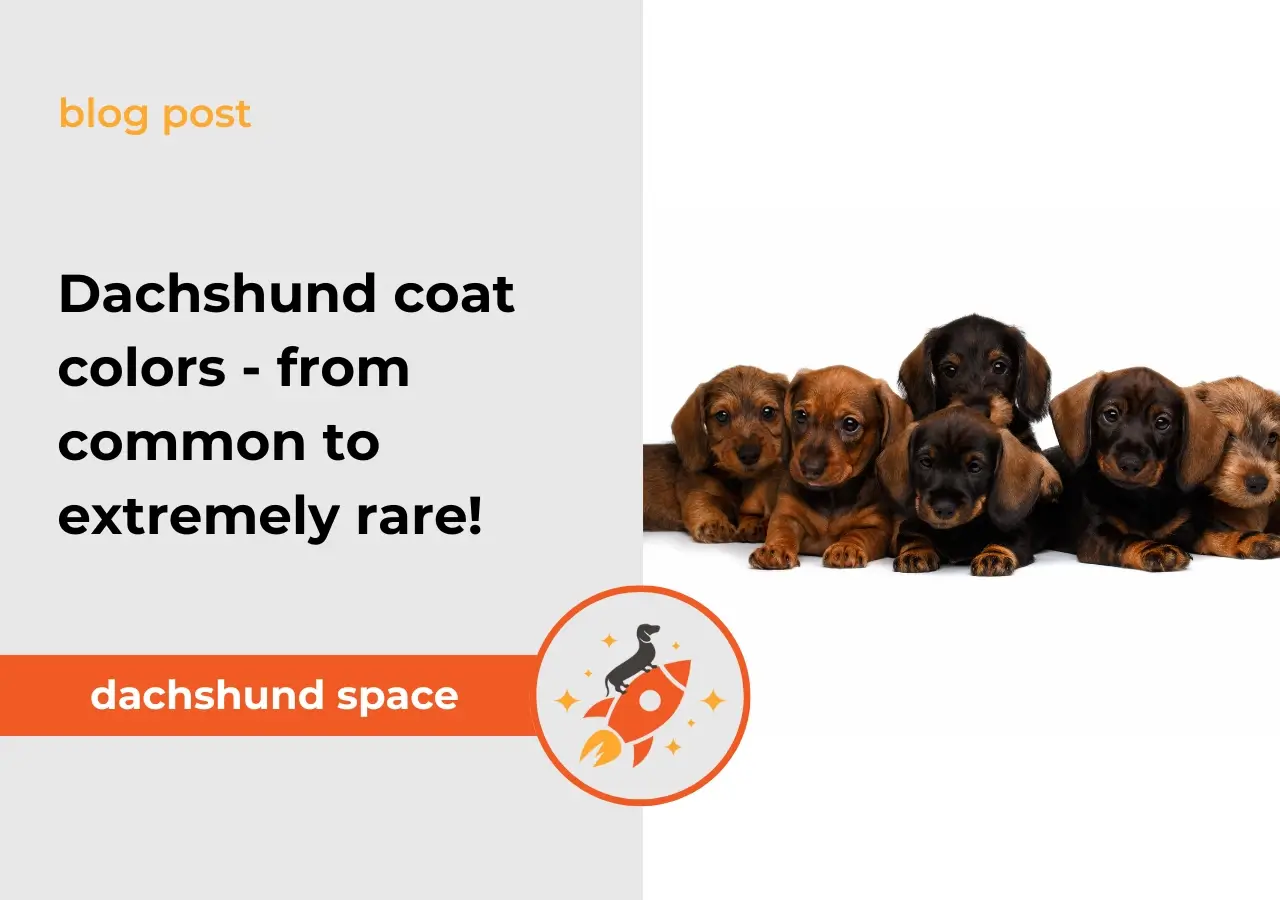
Dachshunds have three types of coats: smooth, long, and wire-haired. Each coat type has its own set of challenges when it comes to maintaining skin health.
Smooth-Coated:
These Dachshunds flaunt smooth, glossy coats that are usually low-maintenance. But don’t be fooled! Even they can get all flaky and dry, especially when the weather gets chilly.
Long-Haired:
The long-haired ones? Well, their fabulous, flowy hair needs some regular pampering to avoid those annoying knots. Left unchecked, those tangles can be a real pain, leading to skin troubles. Allergens and irritants easily trap in this type of coat, so their owner
Wire-Haired:
These tough-looking dudes with their coarse coats have their own set of challenges. They can get super itchy, and if you’re not on top of their grooming, they might face some skin issues. Foliculitis is a very common condition in these dogs because of their sharp and wire-like hair.
Understanding Dachshund Skin Problems
Common Skin Issues in Dachshunds
From dry, flaky skin to more severe conditions like eczema or infections, Dachshunds can experience a range of skin problems. Some may even develop bald patches or discoloration. Sounds concerning, right? But, with the right care, these symptoms can be addressed effectively.
. Allergy (Environmental, Food, or Contact)
- Symptoms:
- Itchy skin (pruritus), particularly on paws, belly, and ears.
- Red, inflamed skin.
- Chronic ear infections.
- Excessive licking or chewing at the affected areas.
- Hair loss in severe cases.
2. Fleas and Ticks
- Symptoms:
- Intense itching and scratching.
- Small red bumps or scabs.
- Presence of fleas, flea dirt, or ticks on the skin.
- Hair loss in localized patches due to scratching, especially on elbows.
3. Skin Infections (Bacterial or Fungal)
- Symptoms:
- Redness, swelling, or pus-filled sores (pyoderma).
- Crusty or scaly patches of skin.
- Foul odor from the affected area.
- Persistent itching or discomfort.
4. Acanthosis Nigricans
- Symptoms:
- Darkened, thickened, and velvety skin, especially under the armpits, groin, and chest.
- Often accompanied by inflammation and secondary infections.
5. Seborrhea (Oily or Dry)
- Symptoms:
- Flaky or scaly skin (dandruff-like flakes).
- Greasy or waxy feel to the coat.
- Musty odor from the skin.
- Redness and itching in more severe cases.
6. Mange (Demodectic or Sarcoptic)
- Symptoms:
- Severe itching (more common with sarcoptic mange).
- Hair loss, often in patches.
- Crusty, scaly skin with redness.
- In severe cases, secondary bacterial infections.
7. Hot Spots (Acute Moist Dermatitis)
- Symptoms:
- Red, moist, and inflamed patches of skin.
- Itching and pain at the site.
- Hair loss in the affected area.
- Presence of a yellowish crust or scabs.
8. Yeast Infections
- Symptoms:
- Red, irritated skin.
- Greasy or oily skin texture.
- Foul odor, especially in folds or underarms.
- Chronic licking or scratching of paws and ears.
9. Ringworm (Fungal Infection)
- Symptoms:
- Circular, red lesions with a scaly or crusty surface.
- Hair loss in affected areas.
- Mild to moderate itching.
- Spreads to other pets or humans in contact.
10. Autoimmune Skin Disorders (e.g., Pemphigus)
- Symptoms:
- Blisters or pustules, especially on the face and paws.
- Crusting and scabbing of the skin.
- Ulcerations in severe cases.
11. Hormonal Imbalances (e.g., Hypothyroidism, Cushing’s Disease)
- Symptoms:
- Hair thinning or loss (bilaterally symmetrical).
- Dry, flaky skin.
- Skin infections that recur or persist.
- Lethargy or other systemic symptoms.
12. Intertrigo (Skin Fold Dermatitis)
- Symptoms:
- Redness and inflammation in skin folds (e.g., neck, armpits, groin).
- Odor due to trapped moisture and bacteria.
- Itching and discomfort in the folds.
Causes Behind the Dachshund Skin Problems

Have you ever wondered what is the main cause of your Dachshund’s skin problems? Factors can range from environmental allergens, like pollen or dust, to internal issues such as poor diet or genetics. Sometimes, even parasites like fleas or ticks can wreak havoc. Understanding the cause is half the battle won.
Top 8 Tips to Avoid Dachshund Skin Problems
1- Regular grooming
Just like we feel good after a spa day, regular grooming can do wonders for your Dachshund. Brushing removes dead skin, stimulates blood circulation, and distributes natural oils. Think of it as a mini massage session for your pet!
2- Balanced diet for your Dachshund
“You are what you eat.” This saying isn’t just for humans. A nutritious, balanced diet ensures your Dachshund gets the essential fatty acids and vitamins for healthy skin. Experts especially recommend foods rich in omega-3 and omega-6 fatty acids. Foods such as fish (especially salmon) can improve your dog’s skin.
You can also include in your Dachshund’s diet ingredients rich in antioxidants. Blueberries, raspberries, and other berry fruits fight cancer cells and improve skin elasticity.
You can include them in your Dachshund’s diet as treats or mix it with their regular diet.
3- Moisturize their skin
Dry skin can lead to itching and other problems. That’s why you should consider using vet-approved moisturizers. They’ll help in keeping your Dachshund’s skin hydrated.
4- Protect against parasites
Fleas, ticks, mange, scabies, mites – these tiny pests can be a nightmare for your Doxie. Therefore, regularly check your Dachshund’s coat and use preventative treatments. It’s better to be safe than sorry, right? There’s a common misconception that ticks and fleas are usually active during warmer months. However, the truth is that these awful creatures can attack your dog’s skin throughout the year.
To protect your dog from them, we recommend you protect your pooch with an anti-tick or flea collar. Applying a special skin serum to the Doxie’s coat can also help. However, make sure you don’t bathe your pet for at least 3 weeks after application.

5- Avoid allergens
Just like some of us sneeze when pollen levels rise, Dachshunds can react to allergens. If you notice flare-ups, try to identify and eliminate potential triggers. For example, some Doxies can be allergic to seasonal pollen, while others can sneeze even to the smell of your perfume.
6- Vet-approved shampoos
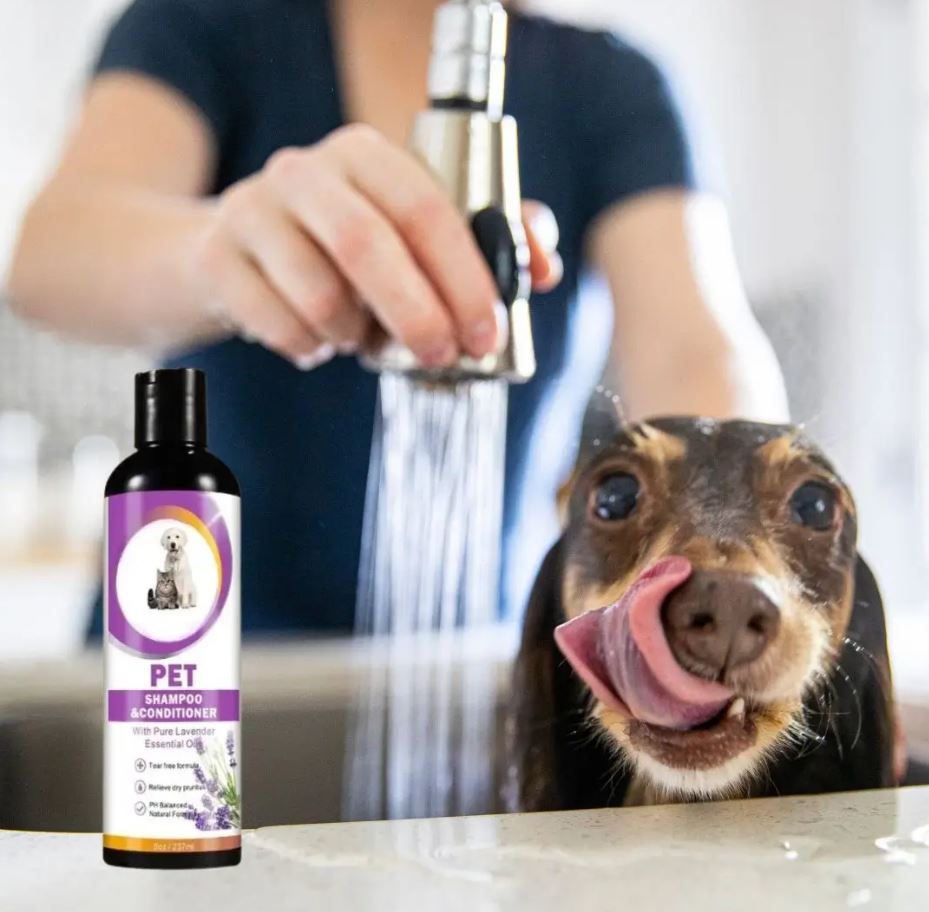
Not all shampoos are created equal. Ensure you use a mild, vet-approved shampoo that caters to your Dachshund’s specific needs. A good bath can be both refreshing and therapeutic!
Dachshund Shampoo and Conditioner is one of the items that every Doxie parent should have in their home. It contains only safe and natural ingredients, leaving your dog’s skin soft and coat smooth. Since it comes as a 2-in-1 package, you don’t have to buy conditioners separately. This Doxie shampoo can be of great help, especially in case you own a long-haired or wire-haired Dachshund.
7- Regular vet check-ups
Stay ahead of potential issues by scheduling regular vet visits. Early detection can make treatment easier and more effective. Plus, who doesn’t love a clean bill of health? If you spot every Dachshund skin issue on time, it’ll be easier to solve it.
8- Stay informed about Dachshund Skin Problems
Knowledge is power. The more you learn about Dachshunds and their needs, the better equipped you’ll be to address any skin problems that arise. So, keep reading and researching!
How do you treat a Dachshund skin problem?
Antibiotics:
For bacterial infections, vets might prescribe antibiotics. These can come in oral form or as topical creams or ointments. Common ones include Cephalexin and Clavamox.
Antifungals:
If your Dachshund has a fungal infection, they might need antifungal meds. Ketoconazole and Itraconazole are often used.
Steroids:
For severe itching and inflammation, short-term steroid treatments like Prednisone might be prescribed. These powerful meds reduce inflammation but come with side effects, so they’re typically a temporary solution.
Antihistamines:
Just like us, dogs can benefit from antihistamines for allergies. Think meds like Benadryl (Diphenhydramine). But the dosage for dogs is different than for humans, so don’t play the guessing game. However, before giving medications to your pet, make sure you ask your veterinarian for advice. Dogs who suffer from skin allergies are on a higher tendency to develop alopecia (hair loss).
Topical Creams:
Calming creams, balms, or sprays can provide relief for irritated skin. Ingredients to look for include hydrocortisone or aloe vera. In case your dog suffers from dermatitis or skin allergies, corticosteroids can give them immediate relief. Dogs who suffer from foliculitis would probably get an antibiotic cream to solve inflammations under the skin. Asking your vet for advice is in this case important as well.
Medicated Shampoos:
These are fab for a variety of skin issues and diseases. They can offer relief from itching, combat microbial infections, or even help with seborrhea (oily/dry skin condition). In case of yeast infection, rashes, and dandruff, shampoos seem like the best choice. Hypoallergenic shampoos for Doxies are must-have for puppoes and dogs who deal with itchiness. Opt for wheat, coconut oil, and olive oil ingredients when buying them. Miniature dachshunds are aspecially prone to allergies.
Supplements and The Right Diet:
Nutrition and supplements play an important role in your dog’s life. Therefore, we recommend you to boost your dog’s immune system and make him less prone to different disorders by feeding him/her with high-quality ingredients.
The Oatmeal Bath Miracle For Treating Skin Issues in Dachshunds:
Who has heard about the wonders of an oatmeal bath for your Dachshund? It’s a gentle way to soothe itchy and irritated skin in your Doxie.
How to Whip Up an Oatmeal Bath:
- Take a cup of plain, unflavored oatmeal (the old-fashioned kind, not the quick-cooking version).
- Grind it into a fine powder using a blender or food processor.
- Fill your tub with lukewarm water – not too hot, not too cold.
- Mix in the powdered oatmeal.
- Gently put your dog in the tub and let them soak for about 10-15 minutes. Give them a gentle massage; they’ll love it!
- Rinse them off with clean water and pat them dry with a towel. Avoid using a hairdryer, as the heat can further irritate their skin.
Special Note: Medicines should NEVER be used without previous consultation with a vet. Our little wiener dogs have their own unique needs, and self-medicating can be dangerous.
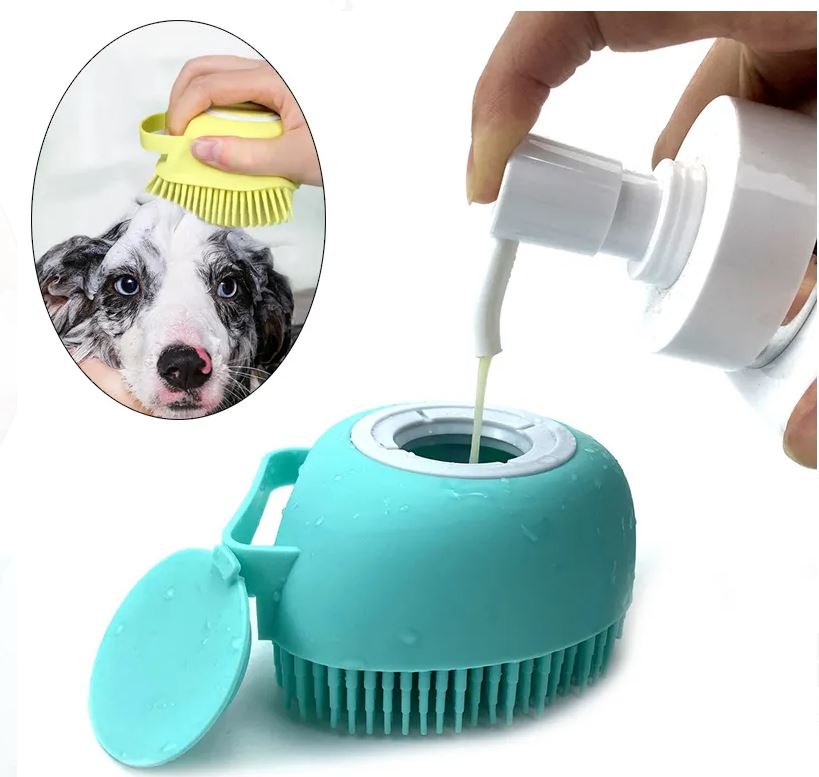
As one of the best products to use while bathing your Dachshund, we want you to have a look at the Bath Massage Dachshund Brush. It features soft, silicone pins that will provide your pet with a pleasant massage during baths.
Emotional Impact of Dachshund Skin Problems
Skin issues can really get under the fur of our Dachshunds, leading to a whirlpool of emotions. Imagine the constant itch or the sting of a rash—pretty uncomfortable, right? For Dachshunds, skin problems can be a source of endless irritation and discomfort, which can significantly affect their mood and behavior.
Stress in your Doxie
The incessant itching or pain from skin issues can cause significant stress in Dachshunds. They might find it hard to relax, always on the lookout for a way to ease the discomfort. You might notice your usually playful pal becoming more withdrawn or agitated. The constant discomfort might keep them up at night, leading to sleep deprivation, which in turn ramps up the stress levels. It’s a vicious cycle that can really affect their quality of life.
Behavior Changes in Dachshunds
You know your dog is a vivacious pup, always ready to chase a ball or go on a sniffing adventure. However, skin problems can throw a wet blanket on their enthusiasm. Your once cheerful buddy might now prefer the corners of the room, avoiding any form of interaction. They might become less responsive to your calls or even show signs of aggression when you try to examine their skin.
The incessant itching or pain can also make them more irritable. You might notice a change in their eating habits, or they might start to chew on their skin to the point of causing further harm. In severe cases, the distress from skin problems might lead to behavior issues like excessive barking or even nipping.
It’s a rough patch, both for you and your furry friend. But remember, understanding the emotional impact is the first step towards finding a solution. With the right care and treatment, your dog can bounce back to being the lively and loving companion you adore!
READ ALSO: Top 9 Dachshund Coats For Cold Weather
Dachshund Skin Problems: Conclusion
Early detection and intervention can often be the key to preventing minor skin irritations from escalating into more severe conditions. Therefore, if you spot any strange behavior in your pet such as excessive licking or chewing of their paws or some strange bumps, then it’s time to react. Remember that any problem on your Doxie’s skin can be solver with an early treatment.














 Dachshund Jackets & Coats
 Dachshund Hoodies
 Dachshund Sweaters
 Dachshund Shirts
 Dachshund Life Jackets
 Dachshund Costumes
 Dachshund Pajamas

 Dachshund Harnesses
 Dachshund Collars


 Dachshund Backpacks


2 thoughts on “Top 8 Tips To Avoid Dachshund Skin Problems”